 EN



How to Choose a Standard Padel Ball for Professional Matches
A professional match can be disrupted by a ball that plays inconsistently, even when its packaging looks suitable. The starting point is not the logo or the word “match”: it is the competition’s rules, followed by a check of the exact model and its performance. For a buyer coordinating a tournament or a branded order, choosing a padel ball means connecting those requirements to a verifiable specification and a practical sampling plan.
Start with the event organizer’s instructions. A ball that fits a technical range is not automatically approved for every competition, and an approved model is not necessarily the one designated for a particular event. Make those checks before comparing price, packaging or playing feel.
1. Confirm which ball the event permits
The International Padel Federation (FIP) says that balls used in competitions on its official calendar must be FIP certified and approved. Its Rules of Padel and ball certification documents set the technical framework. Other professional events may follow a national federation’s rules or name a specific ball in their conditions of entry. Ask the organizer which rules and edition apply to your event.
For each candidate padel ball, record the brand, precise model name and approval evidence. Check the approval’s current validity and the event’s designated product, if any. A seller’s use of “tournament” or “professional” on a carton is not a substitute for the relevant federation’s confirmation. If the event mandates a particular ball, that instruction controls the choice even when other models are approved.
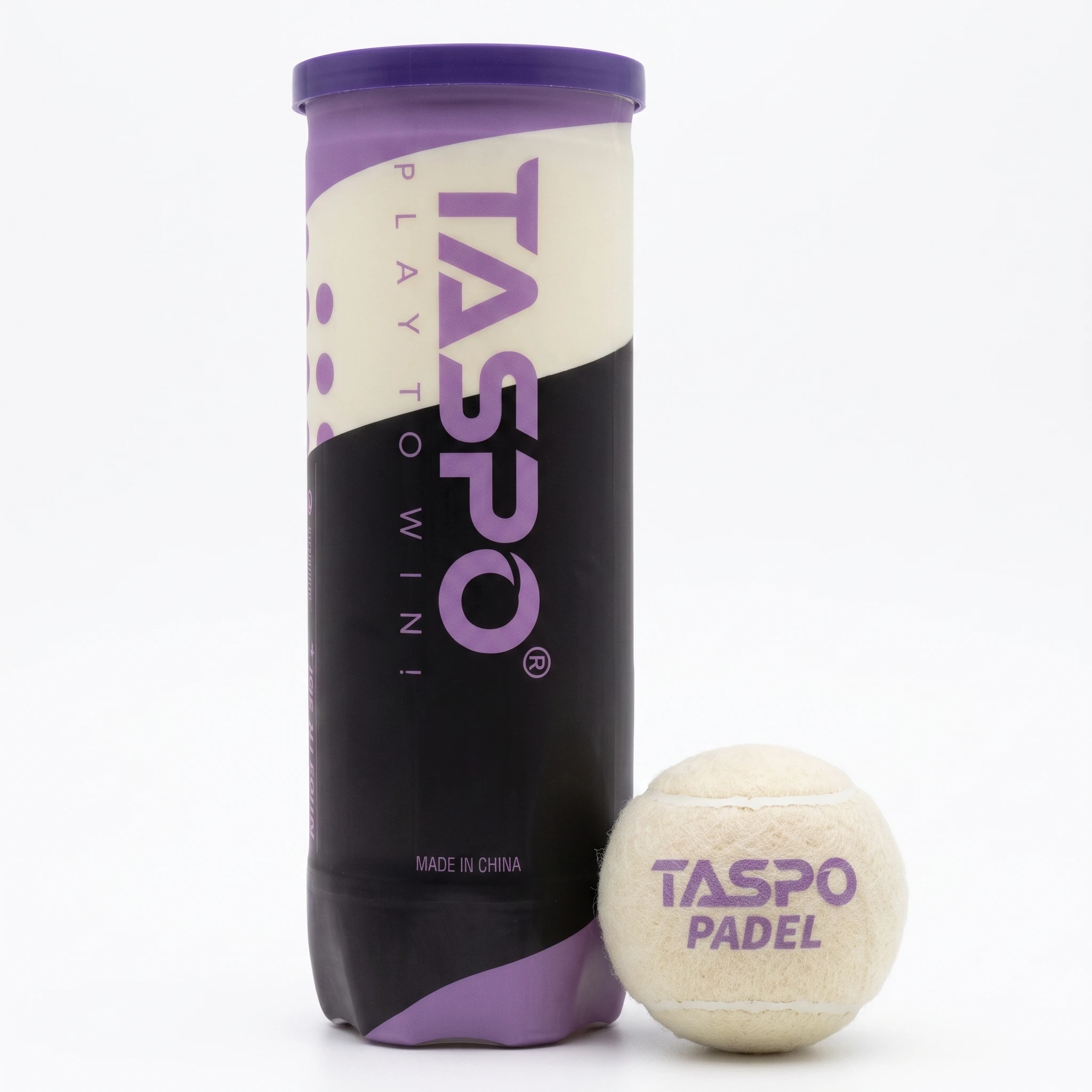
Private branding requires an extra question: does the approval cover the exact branded model being supplied? A similar construction or a factory’s previous approval does not establish that the new label is approved. Request written confirmation from the approving body and organizer before describing the branded padel ball as eligible for an official event.
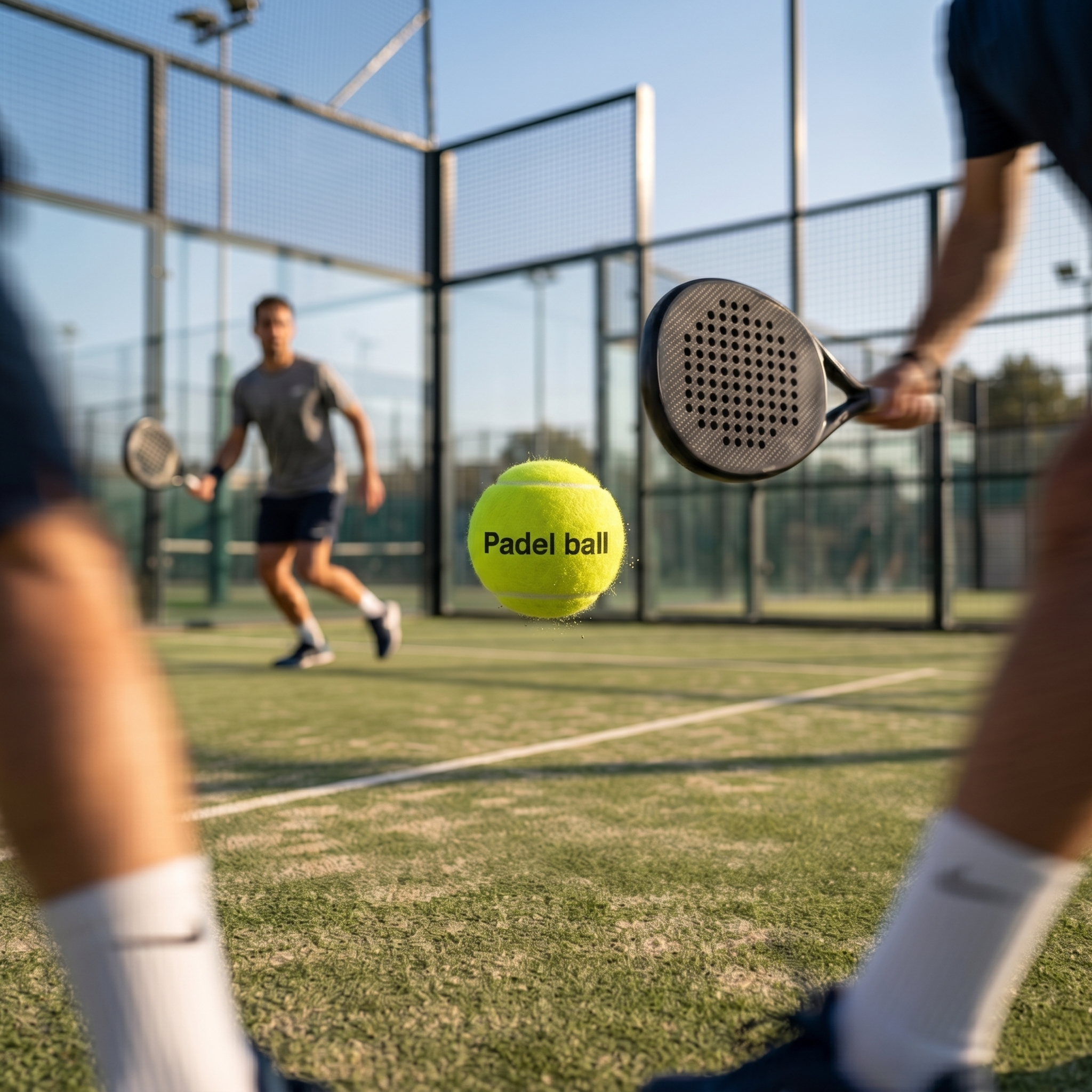
2. Check the standard dimensions and rebound
FIP’s published specifications give the standard padel ball a diameter of 6.35–6.77 cm and a mass of 56.0–59.4 g. For a new ball, the FIP Rules of Padel specify a rebound of 135–145 cm when dropped from 2.54 m onto a hard surface. These are controlled test criteria, not a claim that any particular supplier’s stock meets them.
Request a specification sheet and a test report identifying the model, test method, sample and date. Compare the result to the rules applicable to the competition. A casual bounce on a court can help you notice a visibly inconsistent padel ball, but it cannot replace a controlled test or official approval.
FIP documents also distinguish a high-altitude ball category from the standard type. Do not assume that the standard rebound range is the correct requirement for every venue: check the applicable competition rules, altitude provisions and organizer’s instructions. Likewise, do not convert pressure values from an unfamiliar test document into a buying target without checking the stated units and method.
3. Compare play on the actual court
Once eligibility is established, compare samples under the conditions in which they will be used. The same padel ball can feel different on a warm outdoor court and a cooler indoor one. Court surface, humidity, altitude and the condition of the ball can affect the experience, so a specification sheet alone cannot tell you which eligible model players will prefer.
Use unopened cans from each candidate and label them by model and lot. With the organizer’s permission, have the same group run comparable serves, volleys and wall rebounds on the intended surface. Note whether the padel ball feels predictable off the glass, whether its pace suits the match and how the felt appears after play. Keep the session duration and conditions consistent across samples.
Separate observations from measurements. “The ball felt quicker in this session” is useful feedback; it is not proof of a certified speed or a promise of a fixed service life. Repeat a comparison on another day if conditions vary, and keep written notes so the choice is not based on one impression.
4. Review condition, storage and match operations
Even an eligible padel ball needs sensible handling. Inspect packaging for damage and follow the manufacturer’s storage guidance. Keep cans closed until needed, protect stock from conditions outside the supplier’s stated limits and rotate inventory so older lots are not overlooked. Confirm the event’s ball-change procedure rather than inventing a universal number of games.
Before ordering, agree how many cans the schedule requires, including a contingency for extended matches and damaged packaging. Record lot identifiers at receipt and keep a sample from each delivery for comparison. If the padel ball supplied differs from the event’s designated model, resolve the mismatch before match day rather than relying on a label added later.
5. Put private-label requirements in writing
Searches for “private label padel balls bulk” often begin with branding and volume. For match use, reverse that order. First identify the event’s eligible padel ball and ask whether the exact intended branding, model and packaging fall within the applicable approval. Then discuss artwork, order quantities, lead times and sample costs with the supplier; these terms require a written quotation.
Likewise, a request for “private label match padel balls bulk” should specify the competition, venue, required delivery date and evidence needed for each lot. Ask who is responsible for the approval, whether a label change requires new confirmation, and how a later change in construction will be communicated. Do not assume that a pre-production sample, a different model or an earlier certificate applies to a later shipment.
A useful purchase file contains the approved artwork, exact padel ball model, test documentation, organizer confirmation, sample sign-off and lot-traceability procedure. It should also state what happens if the delivered items or documentation do not match the agreed specification. These steps help a buyer identify gaps before committing to a larger order.
A practical final checklist
- Confirm the event’s governing rules, current requirements and any mandated model.
- Verify approval for the exact padel ball and branding where approval is required.
- Check diameter, mass and rebound against the applicable FIP specification and test method.
- Compare eligible samples on the intended court and record conditions and lot details.
- Agree storage, delivery, packaging, replacement and traceability terms in writing.
Match documented eligibility to the event first, then use measured specifications and court trials to distinguish the remaining padel ball options. If approval or test evidence is missing, pause the order until the organizer and supplier can clarify it.
 Hot News



