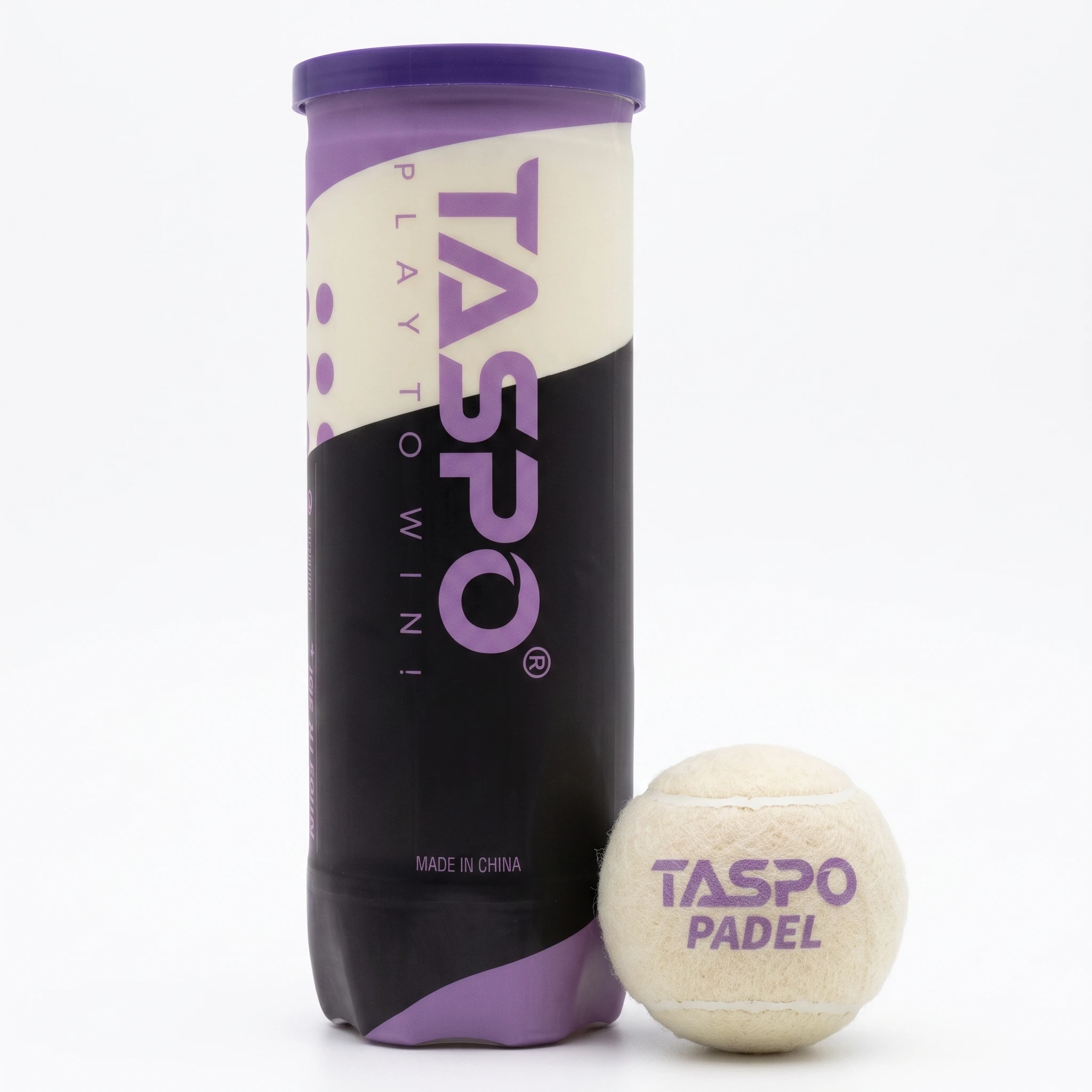
Nothing ruins the rhythm of a competitive weekend singles match faster than opening a fresh canister of balls that turn into fuzzy, slow-moving grapefruit before the first set even reaches a tiebreak. Hard courts—constructed from concrete or asphalt coated with silica-sand-filled acrylic paint—act like medium-grit sandpaper on every single bounce and topspin groundstroke. When players unknowingly bring soft-woven clay-court spheres onto an abrasive hard surface, the outer textile nap shreds apart within twenty minutes, increasing aerodynamic drag and forcing athletes to over-swing just to push the ball past the service line. Knowing how to choose a tennis ball for hard courts protects both match quality and shoulder health. Selecting a sphere engineered specifically for high-friction acrylic surfaces ensures consistent trajectory, predictable kick on second serves, and reliable core rebound from the opening warmup through the final match point.
Understanding how a specialized hard court tennis ball performs starts with the official testing benchmarks established by the International Tennis Federation. Under ITF regulations, approved spheres are categorized into three pace tiers: Type 1 fast balls for slow surfaces, Type 2 medium-speed balls for standard hard courts, and Type 3 slow balls with a slightly larger diameter for fast grass or high-altitude venues. A regulation Type 2 tournament tennis ball must weigh between fifty-six and fifty-nine point four grams, measure between six point five four and six point eight six centimeters in diameter, and rebound between one hundred and thirty-five and one hundred and forty-seven centimeters when dropped from two hundred and fifty-four centimeters onto a concrete block. Beneath the felt, manufacturers mold two vulcanized natural rubber half-shells together around a pressurized fourteen-pound-per-square-inch atmosphere. Formulating that rubber compound with high-purity latex and butyl gas barriers prevents internal pressure from bleeding out when subjected to repeated hundred-and-twenty-mile-per-hour hard-court first serves.
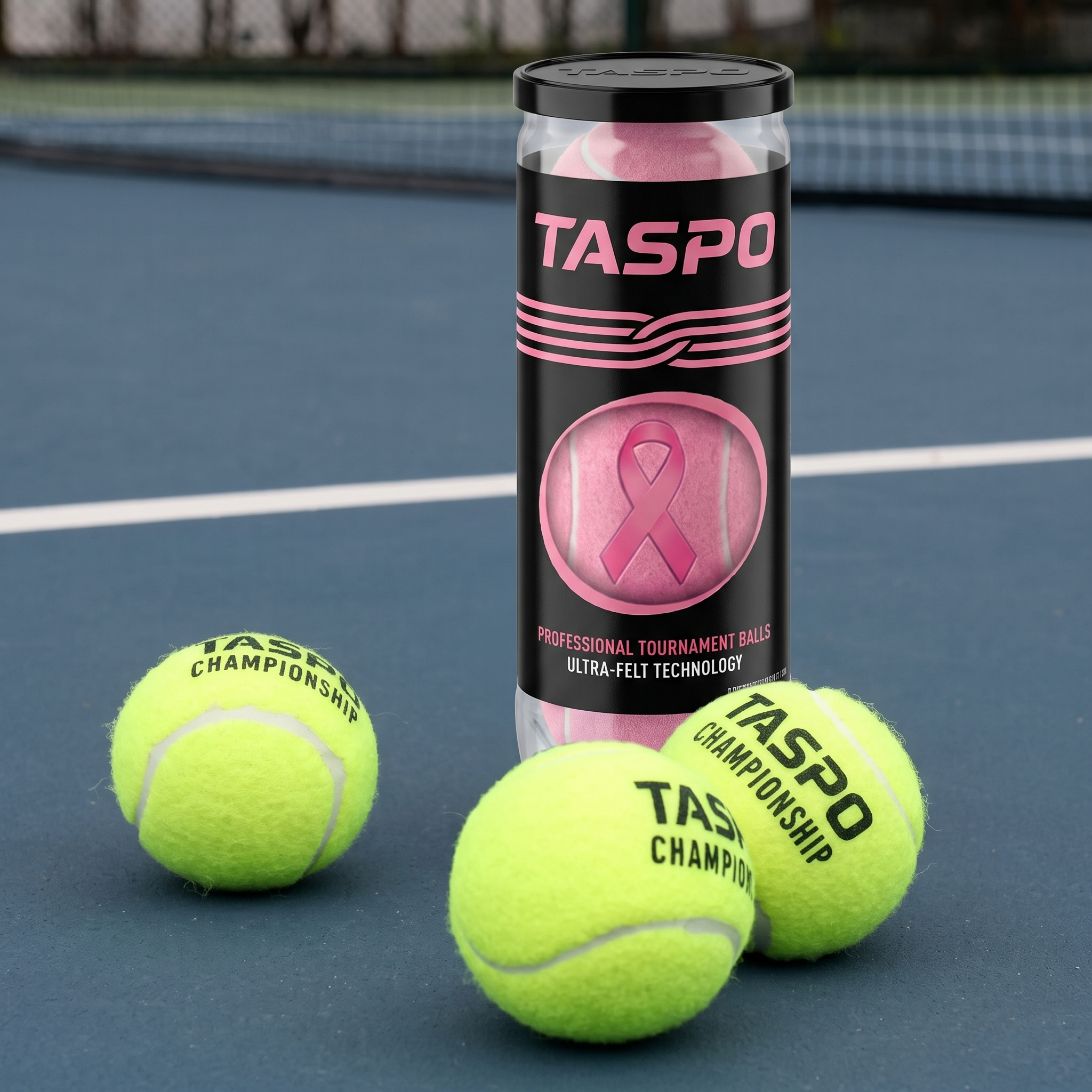
The single most important distinction buyers encounter when learning how to choose a tennis ball for hard courts is the choice between Extra Duty and Regular Duty felt coverings. While both versions share an identical pressurized rubber core, their exterior textile weaves are engineered for completely different court physics. A Regular Duty ball utilizes a tighter, thinner wool weave designed to resist picking up damp crushed brick dust on clay courts or snagging on indoor carpet fibers. If used on outdoor asphalt, that thin weave wears bald rapidly, causing the ball to skid uncontrollably. By contrast, an extra duty tennis ball features a thicker, looser interlocking melon-weave felt composed of roughly fifty-five to sixty percent natural New Zealand wool reinforced with high-tenacity nylon and cotton yarns. As the rough acrylic court surface abrades the outer wool fibers during heavy rallies, the reinforced nylon matrix holds the nap together, allowing the extra duty tennis ball to fluff at a controlled, steady rate that maintains ideal court speed across multiple sets.
Empirical court testing illustrates the dramatic performance gap between standard retail balls and tour-grade extra-duty constructions. During a four-week wear evaluation conducted across eight outdoor municipal hard-court facilities in California and Australia, sixty open-level players and certified teaching pros tested three different canister batches across standard nine-game ball-change intervals. Batch A consisted of budget needle-punched synthetic felt balls, Batch B used Regular Duty clay-spec balls, and Batch C featured a premium extra duty tennis ball woven with fifty-eight percent treated wool and vulcanized high-cis rubber cores. Optical micrometer scans and radar velocity tracking after nine games of heavy baseline hitting revealed that Batch A lost twenty-two percent of its felt mass and suffered erratic bounce angles, while Batch B fluffed excessively and slowed down by fourteen kilometers per hour on flat drives. Meanwhile, the Batch C hard court tennis ball retained ninety-one percent of its original seam integrity and reduced pace degradation by thirty-four percent, earning unanimous approval from tournament referees.
For tennis academy directors, high school coaches, and regional distributors, knowing how to choose a tennis ball for hard courts also involves balancing match-day pressurized canisters against bulk training inventory. Standard pressurized spheres deliver crisp acoustic pop and arm-friendly compression for competitive matches, but once the PET canister seal is popped, natural gas diffusion gives them a playable shelf life of roughly two to four weeks. Filling a coaching hopper with two hundred pressurized balls leads to wasted budget when the entire basket goes flat after a month. Smart academies pair tournament tennis ball canisters for weekend match play with modern pressureless training balls for daily feeding drills. Engineered with thicker, specially compounded elastomeric rubber walls that rely on structural shell elasticity rather than internal air pressure, high-grade pressureless balls never go dead in storage and withstand six months of daily hard-court basket abrasion while closely mimicking regulation bounce height.
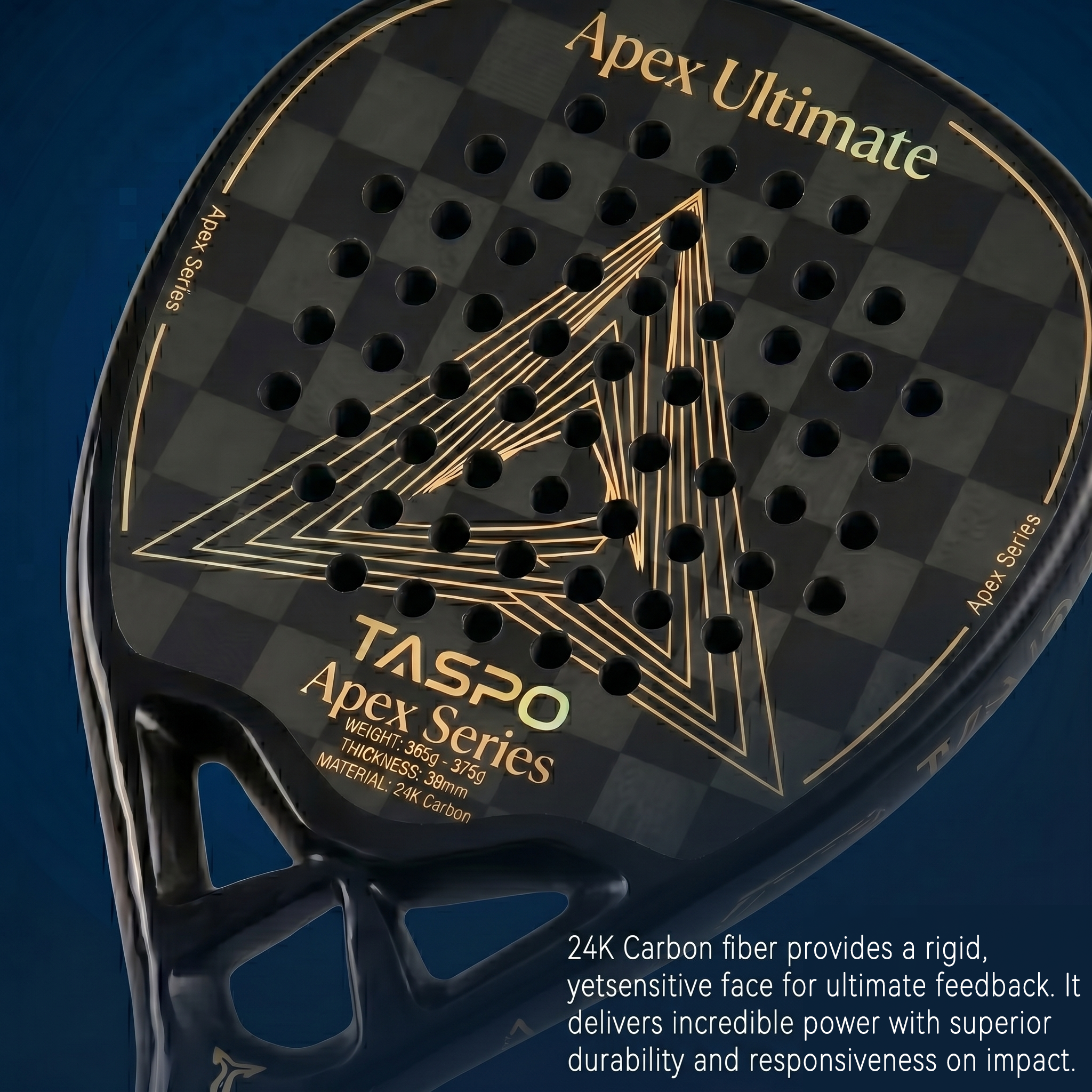
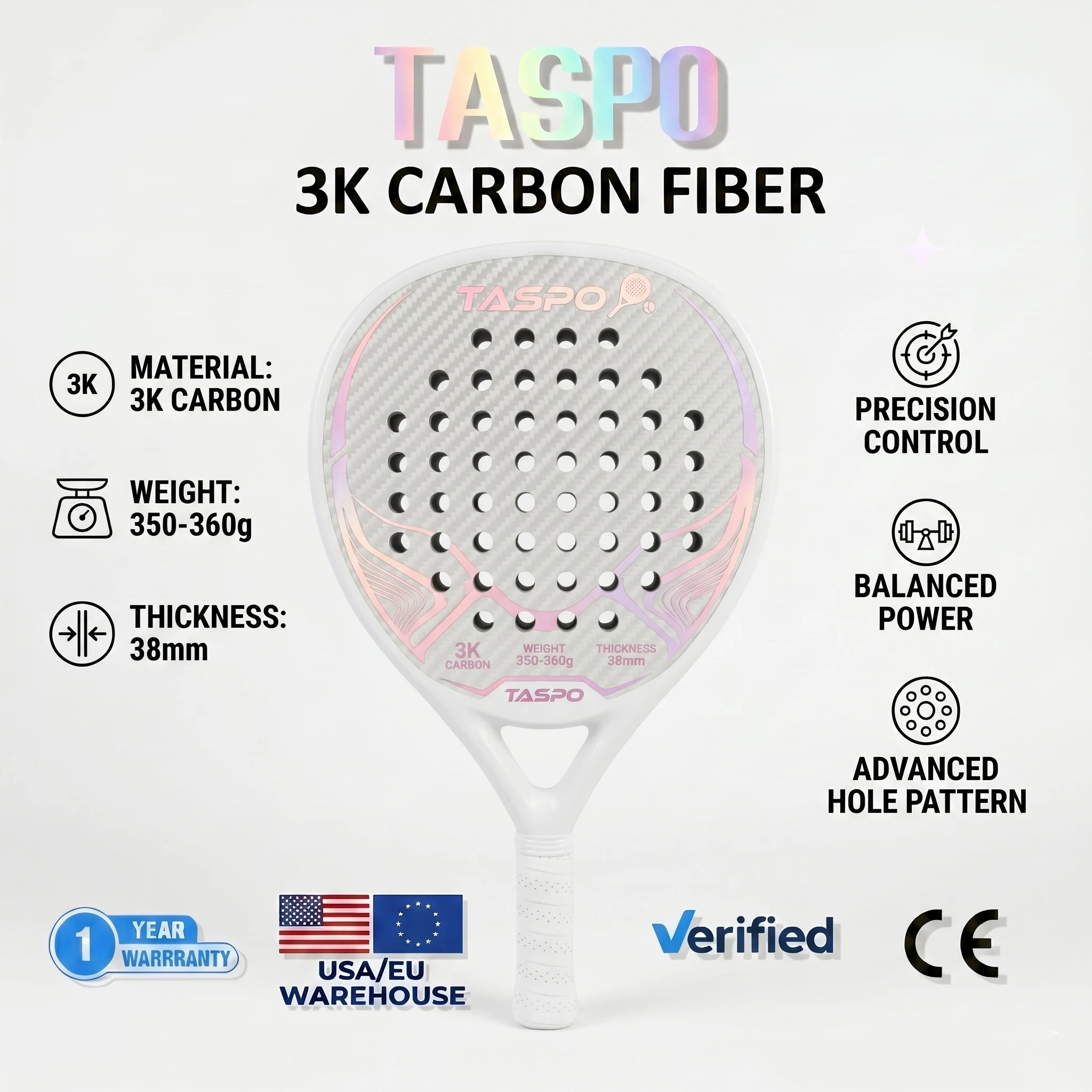
Equipping clubs, tournaments, and retail shelves with dependable court consumables requires a manufacturing partner that masters both rubber vulcanization and textile felt weaving. Taspo operates as a premier B2B sports equipment manufacturer backed by over one hundred and thirty experienced engineers and self-owned standardized production bases. Alongside engineering tour-caliber carbon fiber tennis rackets, pickleball paddles, and padel frames, Taspo provides comprehensive one-stop OEM and ODM solutions for custom tennis balls, extra-duty tournament canisters, pressureless academy balls, tacky overgrips, sweatbands, and thermal court bags. Brand partners can customize wool-to-nylon felt ratios, high-visibility optic yellow dyes, custom logo stamping on the felt, and pressurized PET or aluminum cans tailored to exact regional court speeds. Every hard court tennis ball produced at Taspo passes through seven strict quality inspection gates verifying forward and return compression deformation, weight precision, and seam durability. With custom prototypes delivered in seven to fifteen working days and twenty-four-hour client support, Taspo powers global tennis brands.
 Hot News
2026-11-24
2026-11-24
2026-11-24
2026-11-24
2026-11-24
2026-11-24
 EN