 EN



What Buyers Expect from Bulk Padel Racket Supplier Partners
For a brand or distributor, a bulk padel racket order is more than a choice of shape and graphics. The buyer also needs to know what will arrive, how the sample relates to production, and who will respond if a shipment falls short. A useful padel racket supplier conversation starts with those questions, not just a price per unit.
The practical test is whether both sides can turn a product idea into a written agreement. The following checks help a purchasing team evaluate a padel racket partner without assuming that every supplier offers the same materials, services, or order terms.
Start with the intended player and the sales channel
Before requesting a quote, define the role of each padel racket in the range. Is it for a club's introductory stock, a retailer's entry-level shelf, or a brand's differentiated line? A padel racket intended for occasional players may be evaluated differently from a model aimed at experienced players. Decide which attributes the sales team must be able to explain, then ask for specifications that support those descriptions.
Give the supplier an estimated order volume, target market, desired delivery window, and expected packaging format. These are planning inputs, not promises from either party. Ask which choices affect the padel racket quotation and which can be settled after a sample review. That distinction makes quotes easier to compare without treating an early estimate as a final commitment.
Expect specifications that can be checked
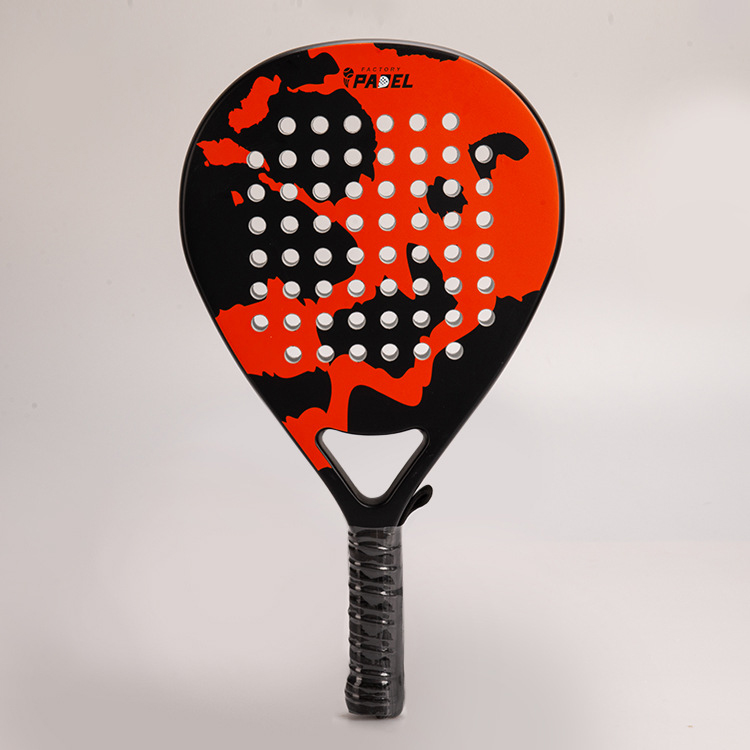
A padel racket brief should describe the shape, materials, core, surface finish, grip, wrist strap, and artwork. Ask for the measurement method and an agreed tolerance for each critical padel racket characteristic, including weight and balance. Material names alone do not establish how a particular padel racket will feel in play; request a sample and assess it against the intended use.
For products intended for organized play, check the governing rules relevant to the destination and event. The International Padel Federation's published rules specify a maximum overall racket length of 45.5 cm, width of 26 cm, and thickness of 38 mm. These dimensions are a screening point, not proof that a padel racket complies with every applicable rule. Review the current rules and verify the complete product, including the strap and other requirements.
Ask the prospective padel racket supplier for a written specification sheet and a process for approving changes. If the supplier proposes a different material or finish after the quote, ask how the change affects the sample, price, timetable, and documentation before accepting it.
Make the sample an approval reference
A padel racket sample is most useful when the review is planned beforehand. Agree whether it represents the proposed production construction or only the visual design. Record the sample date, specification revision, finish, artwork, packaging, and any exceptions. If a feature cannot be represented at sample stage, note how and when it will be verified.
Have the people responsible for purchasing, product, and sales review the padel racket against the same checklist. A club buyer might add feedback from players, while a distributor might focus on consistent product information and packaging. Note observations separately from measured results: a player's impression of comfort is not the same as a measured weight.
Keep an agreed reference sample where practical. When approving a padel racket order, specify which sample and revision control production, who approves deviations, and what happens if another sample is needed. This is especially important when artwork, grip details, or packaging change during negotiation.
Ask how the bulk order will be inspected
A supplier should be able to discuss a padel racket inspection plan before production starts. Agree which attributes will be checked, how items will be selected for inspection, what constitutes an acceptable result, and how findings will be shared. An inspection plan may cover dimensions, weight, finish, printed artwork, strap attachment, and packaging against the approved padel racket specification.
Clarify who performs each check and whether the buyer may arrange an independent inspection. Ask for the format of the inspection record and the procedure for handling a nonconforming padel racket batch. For example, the parties can agree how defects are classified, whether rework or replacement is possible, and who must authorize the next step. Do not assume an inspection removes all variation or replaces appropriate product testing.
Compare the full commercial agreement
A padel racket quote is easier to evaluate when its scope is explicit. Request the minimum order quantity, price basis, sample charges, tooling or design charges if applicable, payment milestones, and quote validity. Confirm whether packaging and freight are included. Ask which delivery term applies and identify the point at which responsibility for transport and insurance transfers; the written agreement should resolve details.
For a custom padel racket project, discuss artwork ownership, permitted use of logos, and approval of packaging files. If the buyer provides a design, both parties should confirm the rights needed to use it. A search for a bela pro padel racket or varlion lw summum may help a buyer identify existing market references, but a supplier must not imply an affiliation with those brands or copy protected designs. Treat third-party names as references, not as claims about the proposed padel racket.
Plan for repeat orders and issue handling
A padel racket partnership continues after the first shipment. Ask how the supplier identifies the approved specification on a repeat order, communicates material substitutions, and records production or shipping information. Confirm the expected response route for shortages, transit damage, or a padel racket that does not match the agreed sample.
Set a timetable for reporting concerns and agree what evidence is needed, such as photographs, batch identifiers, or inspection records. A clear process does not promise a particular remedy; it helps both parties investigate and decide what the contract permits. For a seasonal padel racket range, also ask how early to discuss replenishment and what lead times remain subject to confirmation.
Bring a short checklist to the first discussion
- Define the audience, sales channel, target quantity, market, and delivery window for each padel racket.
- Request a written specification, measurement methods, and tolerances for the proposed padel racket.
- Agree what the sample represents, who signs it off, and how changes are controlled.
- Document inspection criteria, responsibilities, commercial terms, and an issue-handling route.
Taspo Sports lists padel equipment among its product categories. For an inquiry, share the checklist and ask the team to confirm the options and commercial terms available for your particular padel racket project. The quality of the discussion lies in the details both sides can document, review, and agree before placing a bulk order.
 Hot News



