Step into almost any public recreation park, suburban country club, or converted urban warehouse from Seattle to Madrid and Singapore, and the rhythmic, unmistakable pop of plastic spheres striking composite faces fills the air. For newcomers watching from the sidelines, the game looks like an energetic hybrid of three familiar racquet sports: athletes stand on a court the exact size of a doubles badminton boundary, swing solid-faced paddles that resemble oversized table tennis bats, and rally across a low floor-mounted net similar to lawn tennis. Asking what is pickleball and why is it popular worldwide uncovers a brilliant piece of game design. Traditional lawn tennis requires months of technical coaching just to serve consistently into the box and demands grueling sprints across a massive court that punish aging knees. Pickleball strips away those physical and technical barriers, allowing first-time players to master the basics in fifteen minutes while offering deep tactical chess matches that keep professional athletes hooked for decades.
The secret behind why pickleball is popular across every age demographic lives directly inside its official rulebook and compact geometry. A regulation court measures just twenty feet wide by forty-four feet long—less than one-third the total surface area of a standard tennis court—meaning two doubles partners can cover their entire defensive territory with two quick lateral shuffle steps rather than exhausting sprints. Three foundational rules level the playing field between twenty-year-old power hitters and sixty-year-old tacticians. First, every serve must be struck underhand below the waist, eliminating the unreturnable hundred-and-thirty-mile-per-hour overhead serve aces that dominate tennis. Second, the two-bounce rule mandates that both the receiving team and the serving team must let the ball bounce once on their side before executing aerial volleys, neutralizing clumsy serve-and-volley rushing. Third, a seven-foot zone on each side of the net—universally called the kitchen or non-volley zone—prohibits players from standing inside to smash balls out of the air, forcing strategic soft dink exchanges that reward touch and patience over brute force.
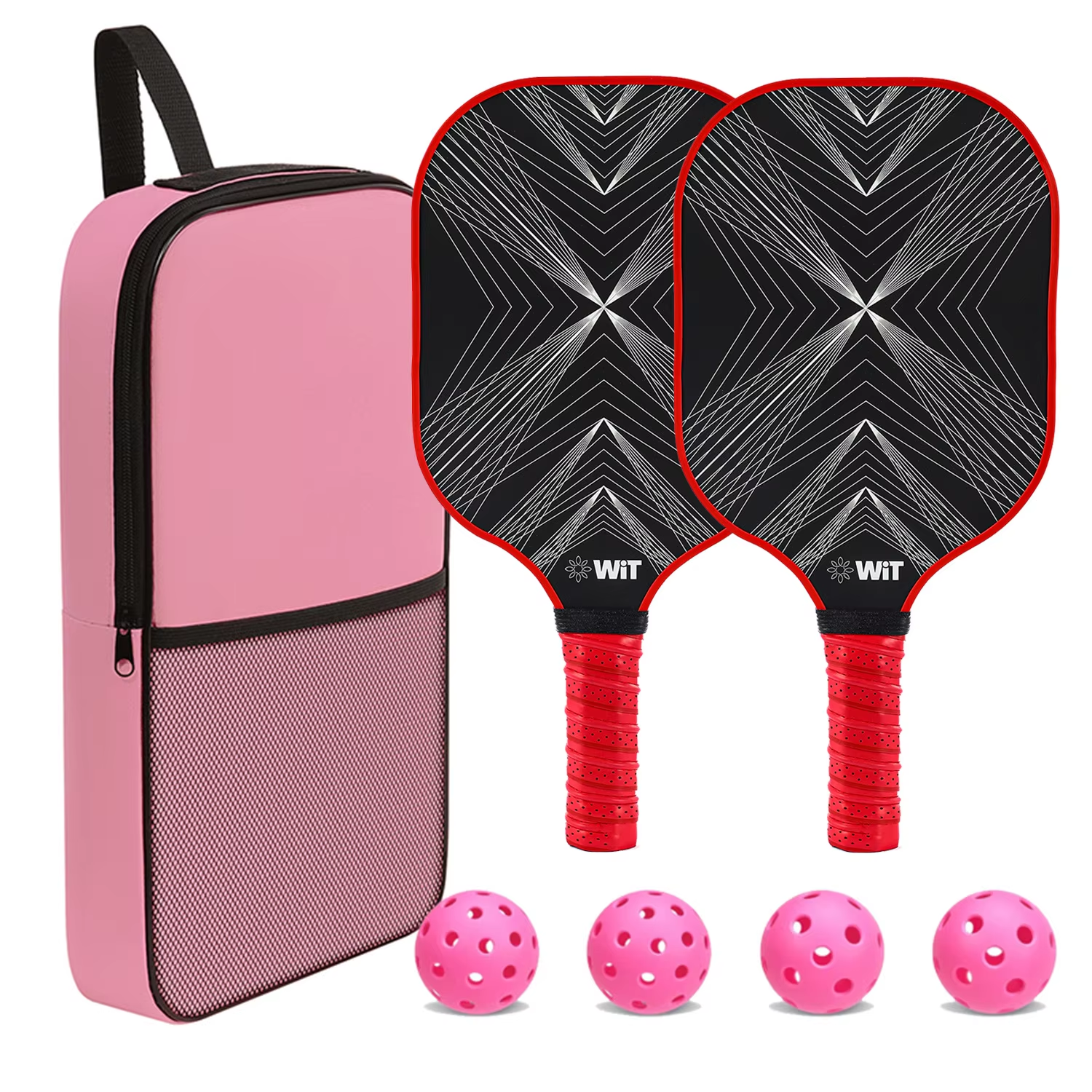
Equipment physics plays an equally decisive role in making the sport accessible to beginners yet thrilling for elite tournament competitors. Instead of swinging a strung frame weighing over three hundred grams with a long lever arm that strains the wrist, players wield a compact pickleball paddle measuring under seventeen inches in length and weighing between two hundred and fifteen and two hundred and thirty-five grams. Because the solid hitting face sits right next to the gripping palm, hand-eye coordination feels completely natural on the very first swing. Meanwhile, the hollow perforated pickleball ball—drilled with twenty-six holes for indoor courts or forty holes for outdoor venues—creates intentional aerodynamic drag through the air. That air resistance slows ball flight velocity down to roughly one-third the speed of a pressurized tennis ball, extending average rally lengths and giving players extra milliseconds to set their feet, read spin, and execute pinpoint passing shots.
What began in nineteen sixty-five as a backyard family game on Bainbridge Island has exploded into a multi-billion-dollar global sporting phenomenon. Industry participation surveys from the Sports and Fitness Industry Association confirm that North American player counts have surged past fourteen million active participants, while international federations across Europe, Australia, Latin America, and Asia report over seventy member nations hosting sanctioned national championships. Commercial real estate operators and municipal planners are driving this global pickleball growth because four pickleball courts fit neatly inside the footprint of a single underutilized tennis court, multiplying facility membership revenue and social density. In major metropolitan hubs from London and Berlin to Kuala Lumpur and Sydney, dedicated indoor "pickletainment" venues combining twelve-plus pro-cushioned courts with pro shops, coaching academies, and social lounges are opening every month, creating massive worldwide demand for reliable pickleball equipment.
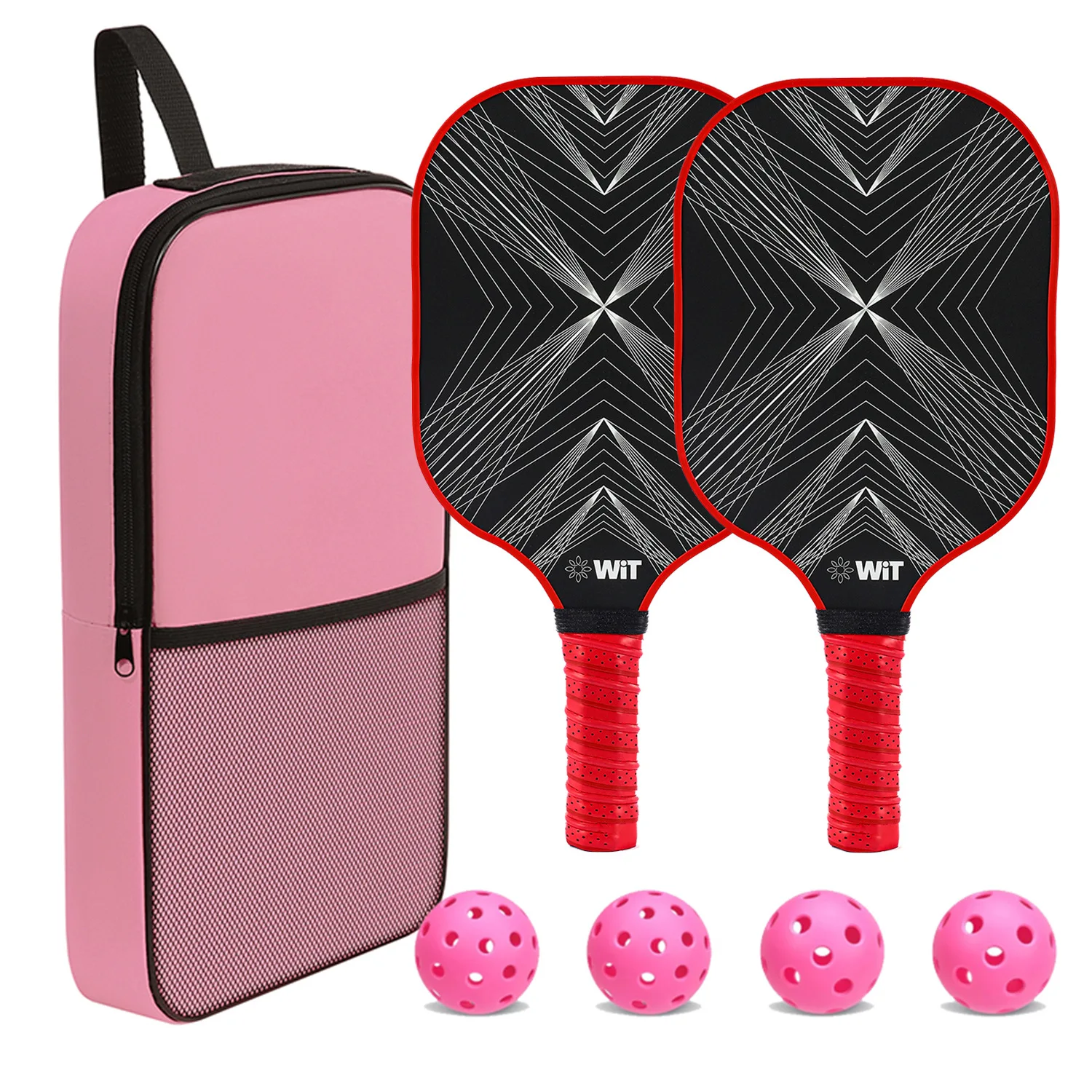
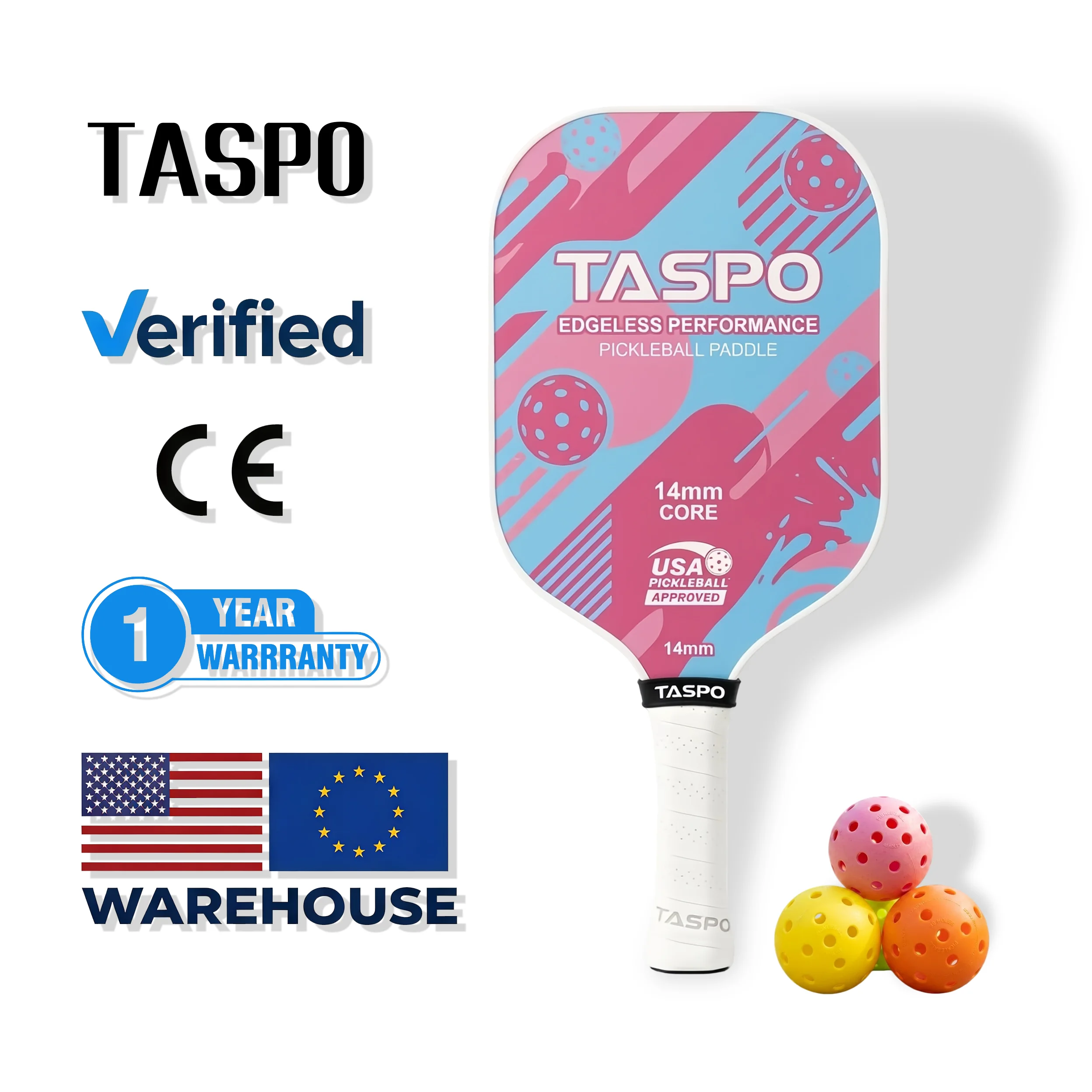
For athletic clubs, schools, and sporting goods distributors entering this booming market, understanding equipment tiers ensures every player gets the right gear for their stage of development. Recreational newcomers and family park players start best with a two-paddle fiberglass or composite honeycomb starter bundle paired with four rotational-molded balls and a portable twenty-two-foot regulation net system that sets up on any flat driveway or gym floor in five minutes. As players join club open-play rotations and rating leagues, they quickly upgrade to a unibody thermoformed T700 carbon fiber pickleball paddle—choosing a sixteen-millimeter core for plush kitchen control or a fourteen-millimeter core for explosive baseline drives. Rounding out a complete court kit with high-turnover maintenance accessories—such as serrated paddle edge guard tapes to prevent asphalt scrapes, tacky moisture-wicking overgrips, and absorbent athletic wristbands—keeps hardware performing like new across hundreds of matches.
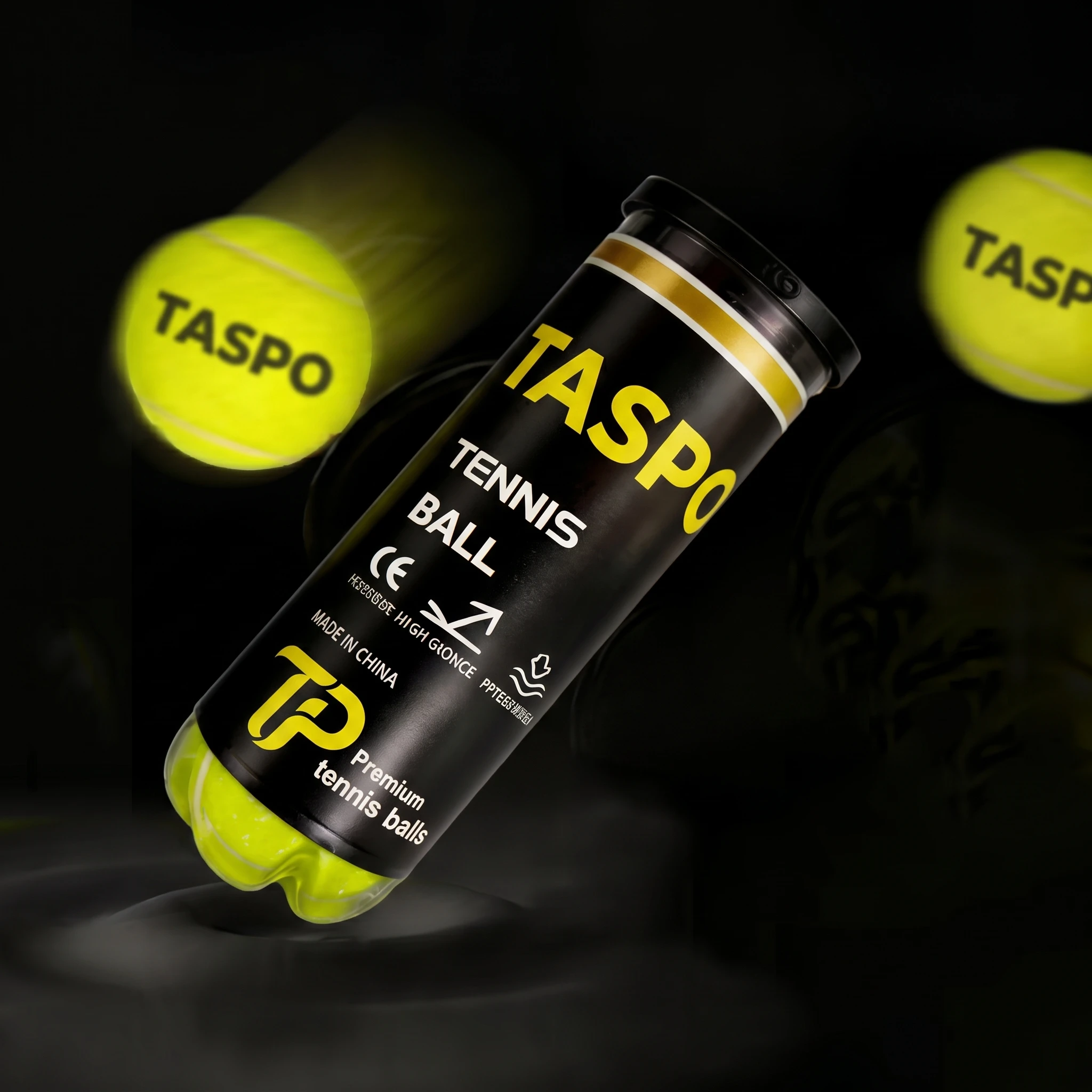
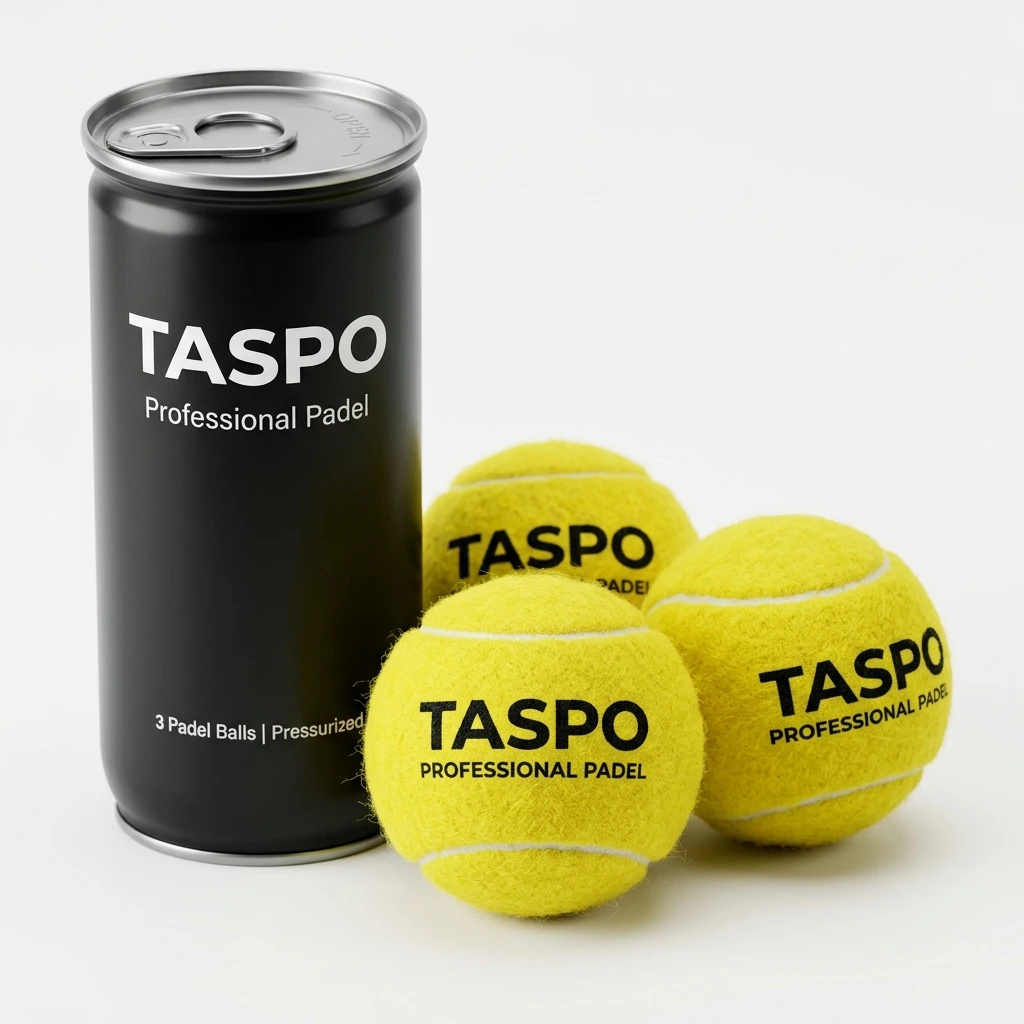
Meeting the surging global appetite for tournament-ready paddles, balls, and court accessories requires a manufacturing partner equipped with industrial scale and composite engineering mastery. Taspo operates as a premier B2B sports equipment manufacturer supported by over one hundred and thirty experienced engineers and self-owned standardized production bases. Specializing in advanced T700, 3K, 12K, and 18K carbon fiber prepreg layups, unibody thermoforming, perimeter foam injection, and precision rotational ball molding, Taspo provides comprehensive one-stop OEM and ODM solutions for global sports brands, club chains, and regional distributors. Partners can customize complete pickleball equipment collections—including fiberglass starter sets, raw carbon tournament paddles, seamless forty-hole outdoor balls, portable nets, sawtooth edge tapes, overgrips, sweatbands, and custom bags—all under one roof. Every product leaving Taspo passes through seven strict quality inspection gates verifying official USA Pickleball compliance and structural durability. With custom prototypes delivered in seven to fifteen working days and twenty-four-hour client support, Taspo powers the worldwide pickleball revolution.
 Hot News
2026-11-24
2026-11-24
2026-11-24
2026-11-24
2026-11-24
2026-11-24
 EN