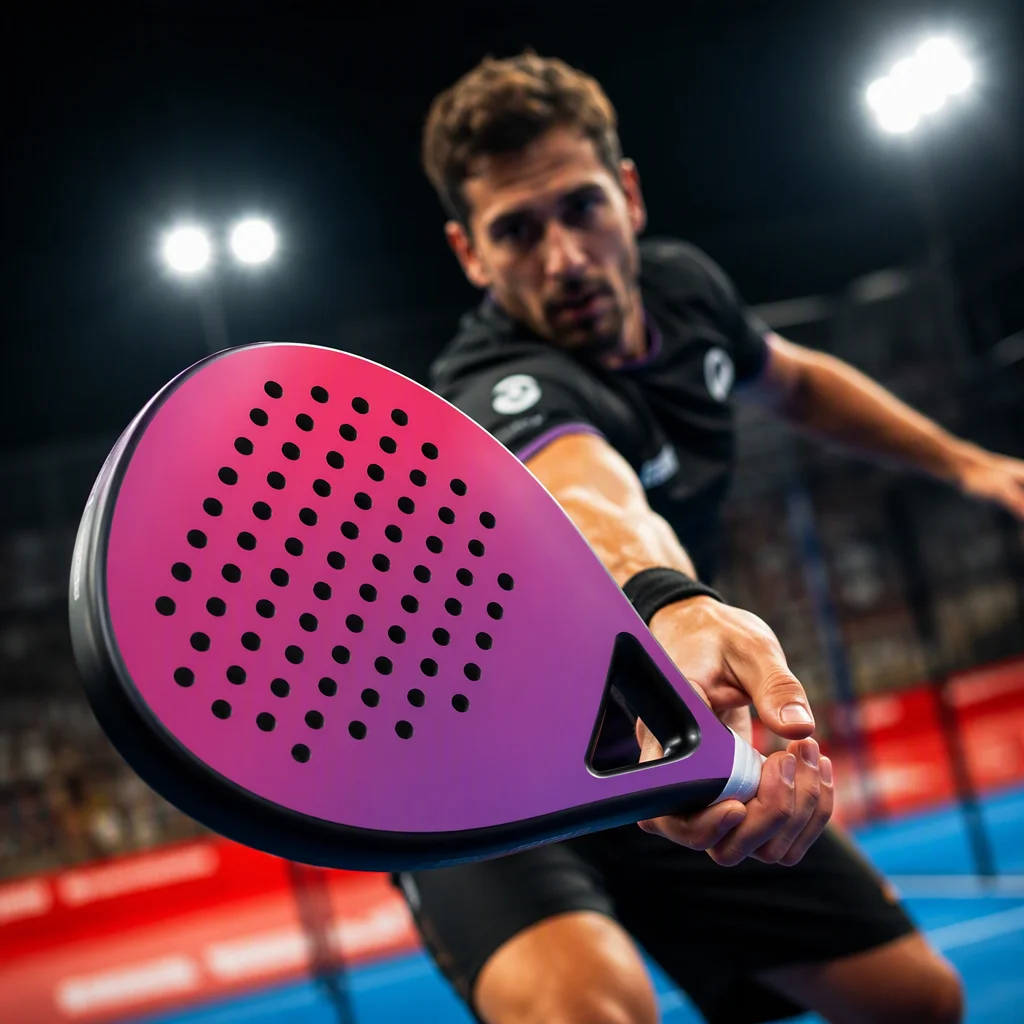
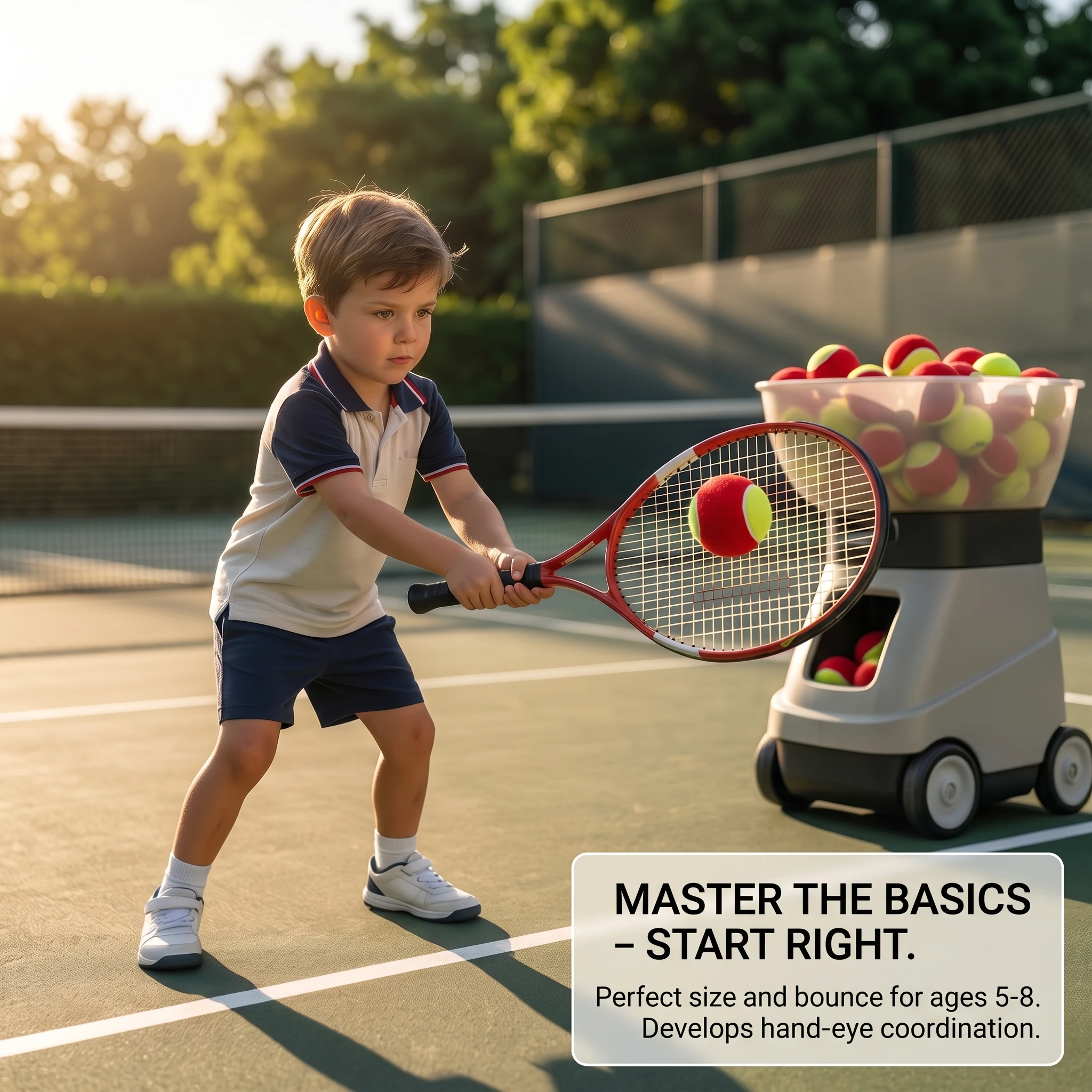
Anyone who plays competitive tennis, padel, or pickleball in August knows the exact moment when perspiration becomes a match-losing hazard. As core body temperature climbs during a grueling second-set tiebreak, sweat pours down the forearms and pools right across the palm and fingers. If the athlete is wearing a bargain-bin wristband pulled from a generic promotional catalog, a frustrating phenomenon happens: instead of soaking into the fabric, beads of sweat roll right over the slick exterior of the band and grease up the racket handle underneath. Biomechanical grip studies demonstrate that moisture seeping onto a polyurethane handle wrap slashes palm friction by up to forty-five percent, forcing players to clench the grip tightly and triggering errant frame twists on off-center volleys. That failure happens because budget workshops knit cheap bands using hydrophobic recycled polyester and untreated short-staple cotton scraps. Understanding what makes a sports sweatband highly absorbent allows retail buyers, club managers, and apparel brands to source engineered textiles that intercept ninety-two percent of forearm moisture before it ever reaches the racket grip.
True moisture-trapping capacity inside an athletic wristband or headband begins at the agricultural and yarn-spinning level. Unlike synthetic polyester or polypropylene fibers—which are essentially extruded plastic strands that repel water molecules—natural cellulose cotton fibers are inherently hydrophilic, meaning their molecular hydroxyl groups actively attract and bond with liquid water. However, not all cotton yarns perform equally on the court. Low-end factories use open-end carded cotton spun from short, broken fiber remnants that feel rough and pack down flat after two washes. In contrast, a tournament-grade absorbent sports sweatband is knitted from thirty-two-count dual-ply ring-spun combed cotton. During the combing stage, fine-toothed cylinders strip away short impurities and align long-staple cotton fibers in parallel bundles. When fed into computerized circular knitting machines alongside twelve percent high-tenacity nylon and eight percent medical-grade elastane spandex, those long combed yarns form thousands of tall, upright double-layer terry loops on both the inner and outer walls of the tube. Those dense terry loops act like a forest of microscopic capillary straws, pulling sweat off the skin and holding up to six times the band’s dry weight in liquid without dripping.
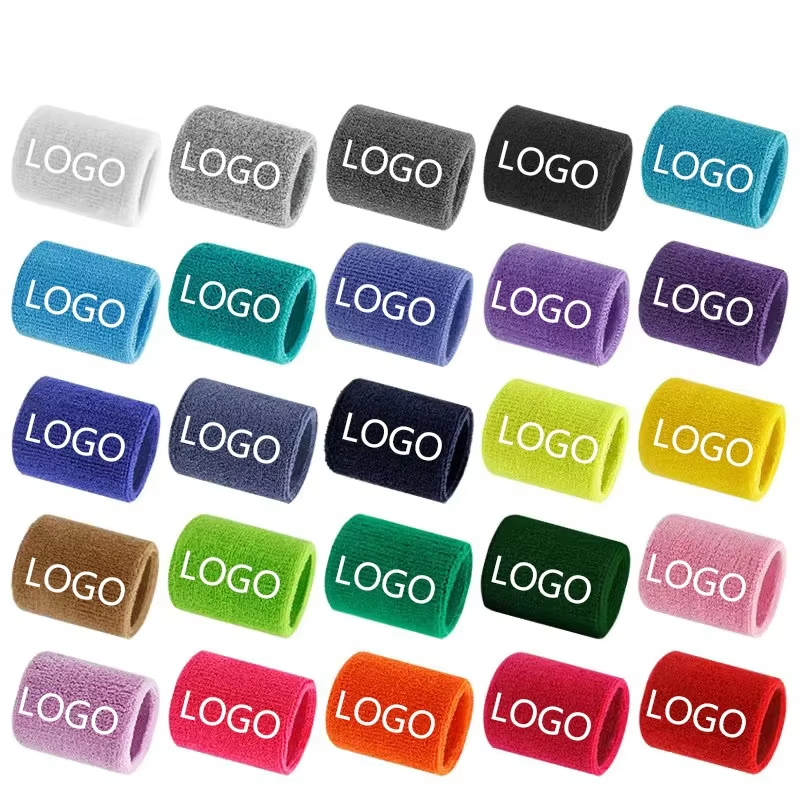
Even the finest long-staple combed cotton will fail the water-drop test right off the knitting machine if the mill skips a critical wet-processing step: enzymatic scouring and bio-polishing. Raw cotton fibers naturally grow with a microscopic outer cuticle of hydrophobic waxes, pectins, and natural oils designed to protect the plant in the field. When budget factories dye raw grey yarn without proper scouring to save water and processing time, that residual wax acts like a raincoat around the terry loops—causing sweat to bead up on the surface during the first five wears. Reputable custom sports sweatband manufacturers submerge every batch in warm alkaline and enzymatic scouring baths that strip away one hundred percent of natural cotton waxes, followed by cellulase bio-polishing that trims loose surface lint. Under standardized AATCC vertical wicking and water-drop absorption benchmarks, a properly scoured cotton sports sweatband absorbs a droplet of sweat in less than zero point eight seconds compared to twelve seconds on untreated yarn. Simultaneously, wrapping the core with heat-set elastane spandex ensures the band maintains snug, gap-free skin contact around slender wrists without cutting off blood circulation.
Examining pro shop merchandising numbers from hot, humid racket markets proves that athletes immediately notice and reward superior textile engineering. Consider a premier multi-court tennis, padel, and pickleball club network operating in Miami, Florida, and Singapore, where year-round court humidity routinely exceeds eighty percent. Two years ago, their pro shops stocked thin, nine-gram polyester-blend wristbands sourced from a general sportswear trader. Members complained constantly that the bands felt like hot plastic cuffs that stopped absorbing sweat after twenty minutes, leaving forty percent of the inventory unsold in clearance bins. Ahead of the summer league calendar, the retail director partnered directly with a specialized factory to develop a heavy-duty, fifteen-gram dual-layer absorbent sports sweatband line knitted from scoured ring-spun combed cotton, certified to Oeko-Tex Standard 100 skin-safety rules, and finished with soft-backed 3D club crest embroidery. Displayed on a dedicated moisture-management counter beside tacky replacement overgrips, the upgraded custom sports sweatband collection achieved a ninety-eight percent member satisfaction rating and doubled quarterly wholesale reorder volume across all club locations.
Building a profitable soft-goods accessory program requires partnering directly with a manufacturer that controls yarn combing, enzymatic scouring, reactive vat dyeing, and seamless tubular knitting under strict quality protocols. Ordering bulk sports sweatband inventory through third-party middlemen exposes your brand to un-scoured waxy fabrics, bleeding dyes that stain white polo shirts, and stiff embroidery backings that chafe wrist skin during topspin forehands. Collaborating directly with a vertically integrated racket sports specialist eliminates those textile headaches completely. This is where Taspo delivers unmatched commercial value to global sports brands, club chains, tournament directors, and retail distributors. Widely respected for engineering tournament-grade carbon padel rackets, USAPA-approved pickleball paddles, and pressurized court balls, Taspo operates an ISO-certified athletic textile division dedicated to high-absorption wristbands and headbands. Every wholesale sports sweatband batch at Taspo passes sub-second AATCC water-drop absorption tests and Grade 4.5 acidic-perspiration colorfastness checks. By consolidating custom sweatband orders alongside Taspo’s absorbent overgrips, court balls, and rackets in a single shipment, buyers guarantee unified seasonal colorways and tour-proven moisture control.
 Hot News
2026-11-24
2026-11-24
2026-11-24
2026-11-24
2026-11-24
2026-11-24
 EN