 EN



Why Pickleball Equipment Diversity Attracts Retailers
A customer looking for pickleball gear might be buying a first paddle for family games, replacing worn balls for a club, or building a branded range for a shop. Those needs do not fit neatly into one product. For retailers, a varied pickleball assortment offers a way to serve different occasions while making each choice easier to explain.
Variety is useful only when the differences matter to the buyer. A procurement team can start by grouping pickleball equipment by player, playing environment and purchase purpose, then compare specifications, packaging and supplier terms. That gives each item a role instead of filling the shelf with near-duplicates.
Different customers bring different purchase questions
A beginner may want a manageable pickleball introduction to pickleball without comparing every construction detail. A pickleball gift buyer may value a clearly described set. An established player might focus on grip feel, paddle shape or a familiar ball. A pickleball club buyer may need consistent replacement stock and packaging suited to repeated orders.
These pickleball shoppers can visit the same retailer, but they judge a purchase differently. A store that separates entry-level options from individual upgrades and group supplies can help people find a useful starting point. Each pickleball distinction should rest on verified specifications and use cases, not unsupported claims that one item will improve everyone's play.
That applies online as well as in a physical shop. A pickleball category page can explain who each item is intended for, what is included and which details need checking. When a supplier has not confirmed a specification, leave it out until the relevant information is available.

Build a pickleball range around practical roles
Paddles for distinct preferences
Pickleball paddles are often the first comparison point in pickleball. Weight, grip size, shape and construction can all affect how an item feels to a player, but a material name alone does not establish a particular outcome. Ask pickleball suppliers for actual specifications and samples, then describe the differences in plain language. A retailer can position one option for a first purchase and another for customers who already know the feel they prefer, without promising a performance result.
For private-label pickleball ranges, identify the target player before discussing graphics or packaging. Confirm available configurations, artwork requirements and sample approval procedures with the supplier. A distinctive design can help a line look consistent, but it should not substitute for a clear description of the item inside the package.
Balls matched to the playing setting
Pickleball balls are repeat-purchase items to consider alongside paddles. Indoor and outdoor pickleball choices can be presented by intended setting, hole pattern, color and pack quantity. Conditions and player preferences vary, so a buyer should test samples in the setting for which the balls are intended instead of assuming a hole count alone determines play.
USA Pickleball describes a pickleball as a plastic ball with 26 to 40 circular holes. Its approved-equipment database lists individual ball models. If a retailer serves sanctioned competition, the buyer should check the exact model against the current list and applicable event rules. A 40-hole design by itself is not proof of approval.
Some sourcing inquiries use the phrase “odm outdoor 40 holes pickleballs.” Treat that as a starting description, not a finished specification: confirm the model, hole count, intended environment, color, packaging and any claimed approval. Ask what can be customized and request written confirmation before committing artwork or placing an order.
Sets and accessories for purchase occasions
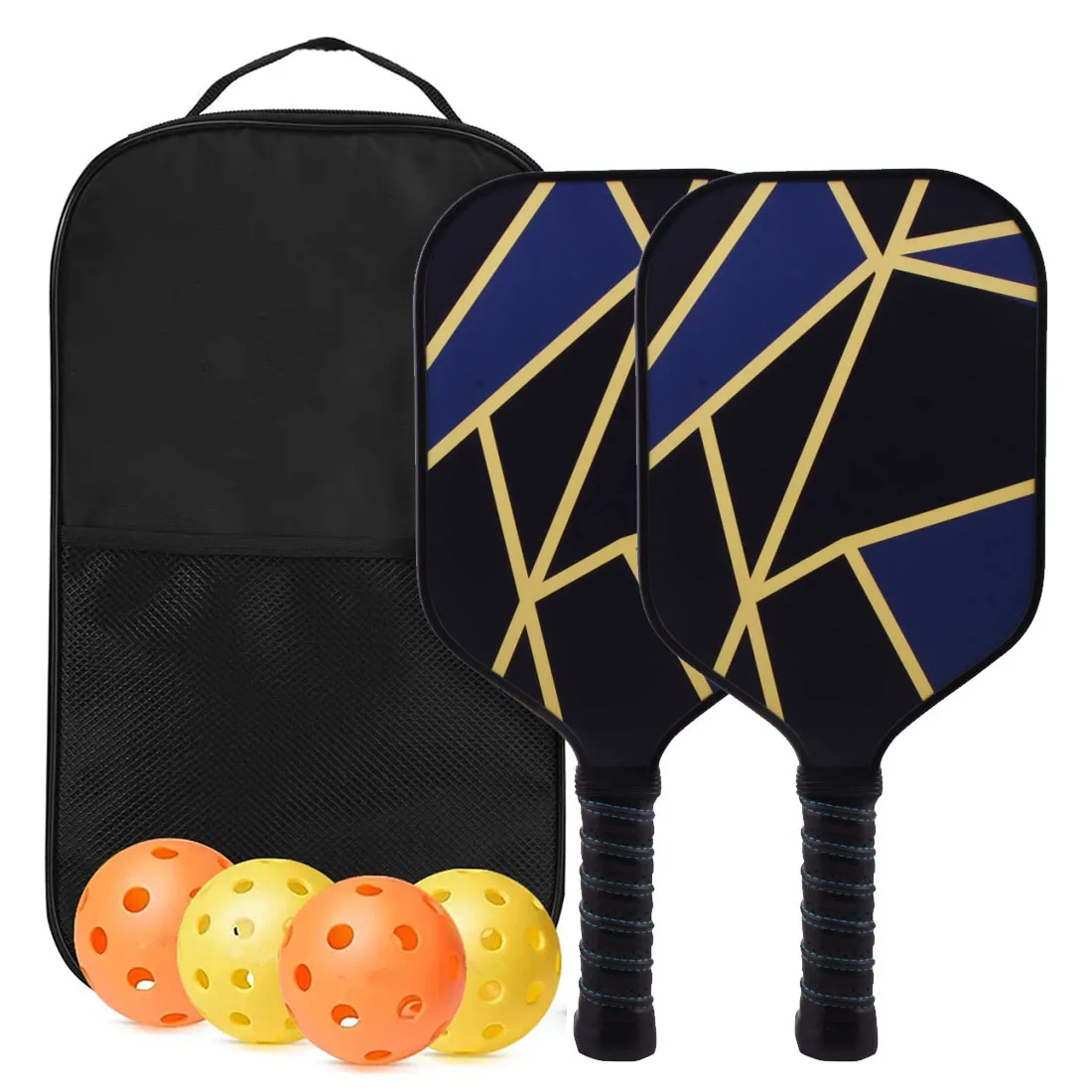
Pickleball sets can simplify a first purchase when their contents are transparent. List the number of paddles and balls, any carrying item included, and whether other equipment is needed separately. Accessories such as grips or bags can support a more complete display when the retailer has verified their availability and compatibility.
No pickleball retailer needs every possible variation. A compact pickleball assortment might include a starter option, a separate paddle choice and replacement balls in more than one pack size. Add further items only where customer questions or observed sales justify them. This limits overlap while keeping the range understandable.
Balance assortment breadth with stock discipline
Diversity can make a pickleball display relevant to more shoppers, but each added variant also takes shelf space, ties up stock and requires accurate product information. Start with a small number of clearly differentiated options. Track which pickleball questions customers ask, which sizes move and where returns arise; use those observations to decide whether another variation fills a genuine gap.
Compare the landed cost of each pickleball item rather than the quoted unit price alone. Packaging, freight, order quantities and the cost of holding slow-moving variants can change the decision. Confirm these figures with the supplier and shipping provider for the destination market. Do not assume that a larger order is automatically the better choice for a small store.
For group buyers, the search phrase “manufacturer bulk pickleballs” may describe a need for replacement stock. Before comparing offers, specify the desired model, pack count, order quantity, delivery location and reorder expectations. Ask about minimum quantities, lead times, sample fees and the process for resolving defects. These pickleball purchasing questions need agreement, not promises about any particular manufacturer.
What retailers should verify before ordering
A useful pickleball sourcing brief makes supplier comparisons easier because each supplier responds to the same requirements. Share the intended pickleball audience, playing environment and proposed assortment, then request the following information for each candidate item.
- Product identity: model, dimensions, weight and materials where applicable, with the version clearly identified.
- Samples and consistency: sample availability, evaluation process and the specifications that will be used to compare later shipments.
- Packaging: quantities per pack and carton, labeling requirements, artwork responsibilities and any applicable local rules.
- Supply terms: minimum order, production and shipping lead times, payment terms and a written approach to nonconforming goods.
- Competition claims: the exact pickleball model and evidence for any applicable equipment listing; verify current rules independently.
Keep the approved pickleball sample and written specifications together with the purchase order. For a private-label pickleball project, also agree on who signs off the artwork and whether a revised sample is needed after a change. The aim is to make expectations visible before production, not to imply that every supplier offers the same service.
A focused range can still offer meaningful choice
Pickleball equipment diversity attracts retailers because it gives them several ways to respond to different players and buying occasions. The commercial value comes from deliberate distinctions: a paddle chosen for its documented characteristics, balls selected for the intended setting, and pack sizes suited to the customer. Review the pickleball evidence, test representative samples and expand the range only when a new item has a clear job to do.
 Hot News



