 EN



Eco Friendly Padel Ball Packaging for Green Facilities
A facility that opens fresh padel ball tubes every week faces two connected decisions: how to keep playing stock in good condition and what to do with the packaging afterward. A lighter-looking pack is not automatically the right answer. If it fails in transit or does not protect the balls as intended, replacement shipments and waste may offset the intended gain.
For a purchasing team, the practical starting point is a component-by-component comparison. Ask what protects each padel ball, how shipments are grouped, and which materials a local collector will accept. Then test the proposed arrangement with the supplier before changing a recurring order.
Start with the job the packaging must do
Some padel ball products arrive in sealed, pressurized containers. The container is part of the delivery system, not just an advertising surface. Ask the supplier to explain the pack’s pressure-retention requirements, expected storage conditions and evidence from its own testing. Do not assume that an unpressurized bulk bag can replace a sealed tube without affecting the product supplied.
First identify your operational needs: how many courts are supplied, how often staff open a padel ball container, how long unopened stock sits in storage, and whether the order is intended for coaching, casual play or events. Ask about product specifications and shelf-life guidance for the exact item, rather than treating one format as suitable for every setting.
Handling matters as well. A padel ball delivery may travel through several warehouses before reaching the club. A thinner outer carton could reduce material use, but only if it still holds the shipment securely. Request a sample configuration and inspect it on arrival for damaged tubes, broken seals and excessive empty space.
Compare the whole pack, not one material
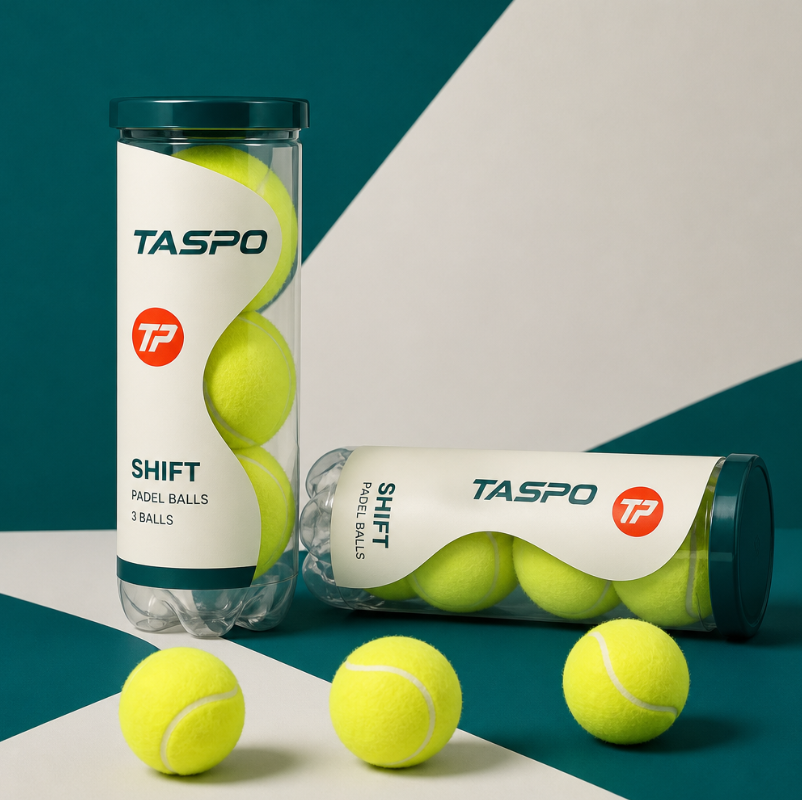
A padel ball pack can contain several separate components: a tube, lid, seal, label and outer carton. The material of each part, and whether staff can separate it, affects what happens next. Ask for a written component list, material identification and the weight of each part per delivery unit. If recycled content is claimed, request the proportion, whether it is pre-consumer or post-consumer, the component covered and supporting documentation.
Compare packaging options on the same basis: the number of usable balls delivered to the facility. A change that removes a sleeve may reduce a visible layer, while a change in case configuration may reduce outer packaging per ball. Neither improvement should be asserted until the supplier provides the relevant weights and the facility checks that transport protection remains adequate.
For instance, a facility considering factory bulk padel balls supply can ask for two written quotations using the same quantity and product specification. One can show the current padel ball pack and the other a proposed case arrangement. The comparison should include component weights, shipment dimensions, case count, packing method and handling instructions. This is a hypothetical comparison, not a claim about any particular supplier's stock.
Check where each component can actually go
Recyclability is local and component-specific. A resin identification code on a plastic padel ball tube identifies the material, but it does not by itself mean a local program collects that item. The U.S. Environmental Protection Agency advises checking what the local recycling program accepts. The same practical question applies elsewhere: ask the actual collector about the tube, lid, seal, label and carton, including size and sorting requirements.
Before placing bins beside the courts, agree on what staff should separate and where each stream will be sent. A tube accepted at a dedicated collection point may not be accepted in a mixed recycling bin. If the collector requires clean, empty containers or removal of a label, put that instruction on a simple staff sign. Do not put components in a stream on the basis of appearance alone.
Keep the ball itself separate from its container in your plan. The route for a used padel ball is not necessarily the route for its packaging. Ask any proposed collection program what it accepts, where materials go and whether it can handle your facility’s volume. If no suitable service is available, state that limitation rather than implying the material will be recycled.
Ask for evidence behind green claims
Terms such as eco friendly or recyclable can mean different things to a reader. Replace broad promises with a precise description of the padel ball packaging component, the evidence available and any collection limits. For example, a facility can describe a verified change in carton weight per delivery, provided it records the comparison method and product quantity.
For U.S. marketing, the Federal Trade Commission's Green Guides discuss when unqualified recyclable claims may be appropriate. They define a substantial majority as at least 60 percent of consumers or communities where the item is sold; qualifications may be needed when access is lower. This is U.S. guidance, not a universal rule. Check the current requirements and evidence expectations for each market before printing a claim.
Ask the supplier for dated material declarations and the scope of any test or certification. A certificate about one material does not establish that the whole padel ball package is recyclable, nor does it show that a local facility can process it. Keep the documents with the approved artwork so that staff can verify future statements.
Build a workable purchasing and receiving routine
For an event buyer comparing export tournament padel balls bulk options, the shipping arrangement needs the same attention as the item price. Confirm the destination, required delivery date, product specification, case dimensions and protection method. If tournament play is involved, check the organizer’s applicable ball requirements directly; packaging language is not evidence of eligibility.
When a sample arrives, involve the people who will receive, store and open it. Can one person move a case safely under your workplace procedures? Is each padel ball container easy to identify by product and lot? Can the team separate the packaging without slowing a busy session? Note damage and missing documentation, then discuss changes before committing to a larger order.
Track a few measures over comparable deliveries: balls received, packaging weight by component, damaged or unusable units, and the destination of each waste stream. If shipment sizes or distances differ, record those differences before drawing conclusions. A change in packaging weight alone is not a full environmental assessment.
A short checklist for the next order
- Confirm the padel ball specification, intended use, storage guidance and packaging needed to protect the supplied product.
- Request a component breakdown, weights, recycled-content evidence and a sample of the proposed pack.
- Ask the destination collector which components it accepts and what preparation it requires.
- Compare equal quantities of usable balls, including outer cartons and any transit damage.
- Review every environmental statement against evidence and the rules of the intended market.
- Agree on receiving, sorting and recordkeeping responsibilities with facility staff.
A considered padel ball purchase brings product protection and packaging disposal into the same conversation. Start with evidence for the exact pack, check what your local system can handle, and revise the order only when the proposed change works for the people using it.

 Hot News



