 EN



Global Market Trends for Carbon padel racket
For a buyer building a carbon padel racket range, the first question is not simply whether padel is growing. It is where players are entering the game, what they expect from a racket, and which specifications a supplier can substantiate. Court construction offers one useful signal; it is not a direct measure of carbon racket sales. A sensible padel racket plan starts by keeping those two ideas separate.
What the global court data actually tells buyers
Playtomic's Global Padel Report 2026 puts the worldwide total at 58,334 courts in 2025, including 7,898 added during that year. The figures describe playing infrastructure, not the number of rackets sold or the share made with carbon. Even so, a broader network of places to play gives a padel racket buyer a reason to examine markets beyond a single established territory.
Europe is not one uniform market. An established club may need replacements and a differentiated padel racket range for regular players, while an emerging venue may want approachable options for people trying the sport. These are planning scenarios, not proof of demand in any particular city. Before placing an order, compare local club openings, retailer availability, pricing and the audience each channel actually serves.
The same caution applies in the Americas, the Middle East and Australia. Distribution arrangements, language and club purchasing patterns can differ. A padel racket intended for one sales channel should not automatically be assumed suitable for another. Check local requirements and talk to prospective distributors before committing inventory.
Carbon is a specification, not a performance promise
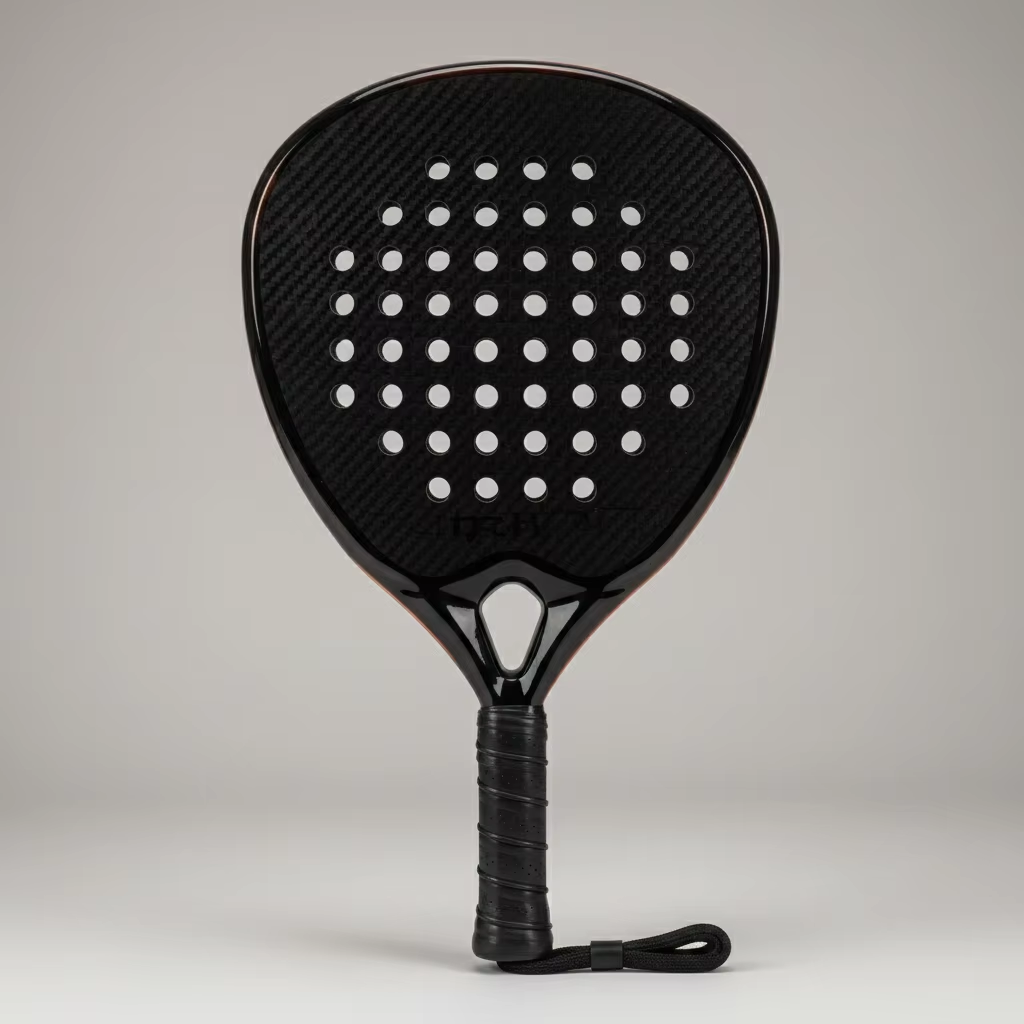
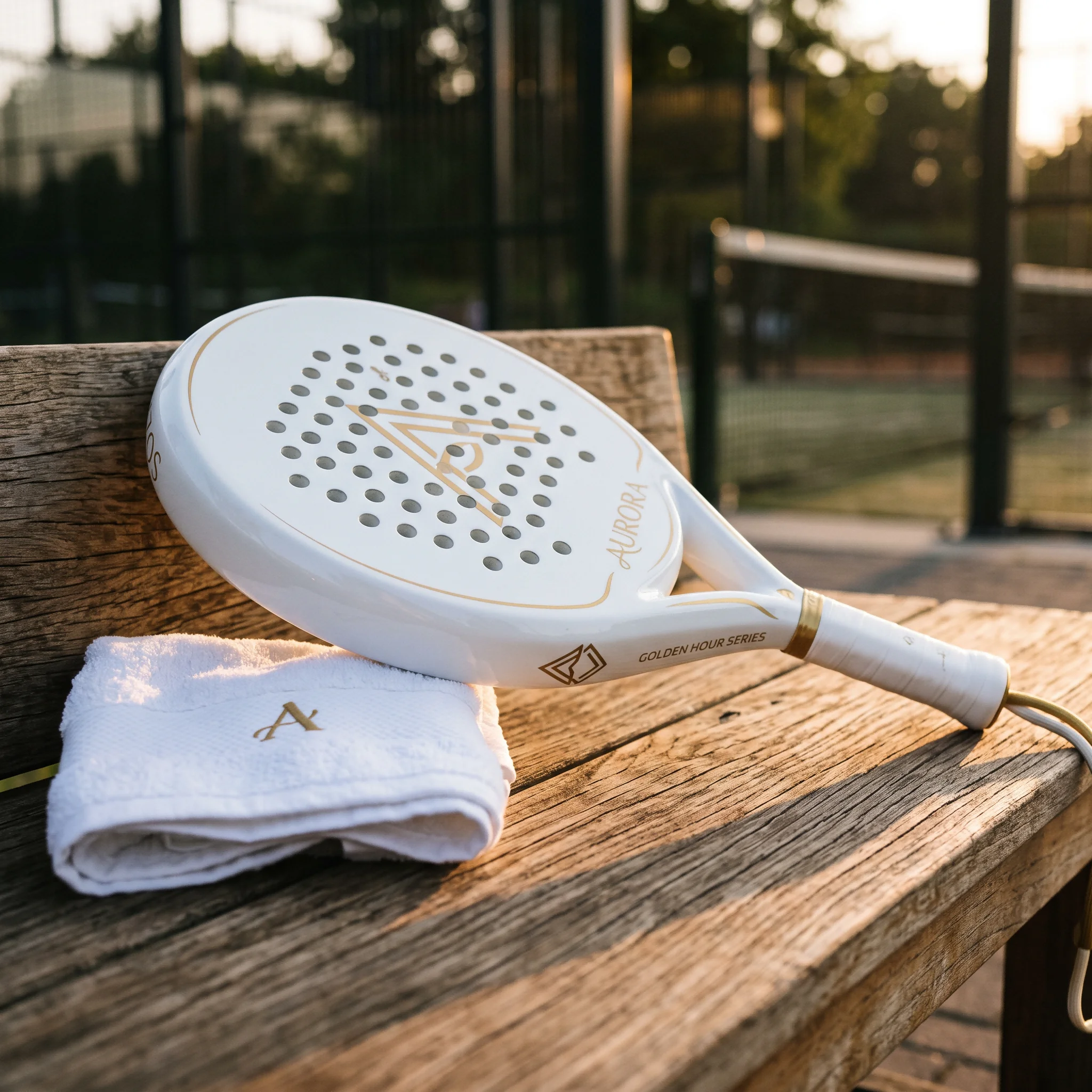
Carbon can appear in different parts of a padel racket, including the frame or striking surface. The word alone does not identify the fibre grade, the number or orientation of layers, the resin, or the material underneath. Two products described with the same material may therefore feel different in play.
Ask where carbon is used and request a written construction description for each padel racket under consideration. A supplier should be able to explain the face, frame and core as a system. Also ask which details can be shared on packaging and which require further confirmation. Avoid treating a weave label as a stand-alone measure of quality or power.
For a buyer comparing a carbon padel racket with a glass-fibre alternative, the practical decision is whether the complete construction suits the intended player and price position. Arrange sample testing under comparable conditions rather than assuming that one material is preferable for everyone. Record feedback on comfort, handling and contact feel, along with who tested each sample.
Range design is shifting from material labels to player needs
A padel racket range can be organised around a few understandable choices rather than a long list of technical terms. A recreational player may value comfortable handling and a forgiving feel; a more experienced player may ask for a different balance or response. These are useful questions for range design, not universal rules about individual players.
Shape, balance and feel
When assessing a padel racket, review its shape alongside balance, weight, core and surface. Changing one factor may alter how the whole product feels, so compare complete samples rather than isolated labels. Ask suppliers for actual sample weights and tolerances, then check whether the same specification is available for repeat orders.
For a retail line, make distinctions easy to explain. A padel racket comparison card might state the intended audience, stated weight range and construction details supplied by the manufacturer. If a claim about control, power or durability has not been tested, present it as a design objective rather than a verified result.
Specifications for organised play
The International Padel Federation's published rules give maximum racket dimensions of 45.5 cm in overall length, 26 cm in width and 38 mm in thickness; the rules also describe a thickness measurement tolerance. A padel racket buyer should verify the current applicable rules and any event-specific requirements before describing a model as suitable for competition. Dimensions alone do not establish full compliance.
What carbon buyers should ask before ordering
A padel racket purchase involves more than selecting a design. For a brand or distributor, the useful work is to turn a material idea into a specification that both sides can review. Start with the intended customer, target market, sales channel and expected product positioning. Then ask the supplier to confirm what is feasible.
- Construction: Where is carbon used in the padel racket, and what materials make up the frame, face and core?
- Samples: Can the supplier provide representative samples, measured weight and written dimensions for review?
- Consistency: Which tolerances, inspection steps and change-notification procedures will be agreed for the padel racket?
- Presentation: Which artwork, packaging, markings and product descriptions can be agreed and documented?
- Commercial terms: What quantities, production timing, shipping arrangements and payment terms will be confirmed in writing?
- Evidence: What test documents or applicable rule checks support any specific product claim?
Keep the sample record with the agreed specification. If a later padel racket sample differs from the approved version, review the difference before production rather than relying on a familiar material name. Separate a requested feature from a confirmed feature; a question in an enquiry is not proof that it is available.
How to read the next market signal
For a carbon padel racket programme, monitor several signals together: relevant local court activity, retailer enquiries, sample feedback, repeat orders and the cost of carrying inventory. A rising court count may justify research, but it does not establish a forecast for a particular product. Likewise, online interest in a padel racket does not tell a buyer which construction or price will work locally.
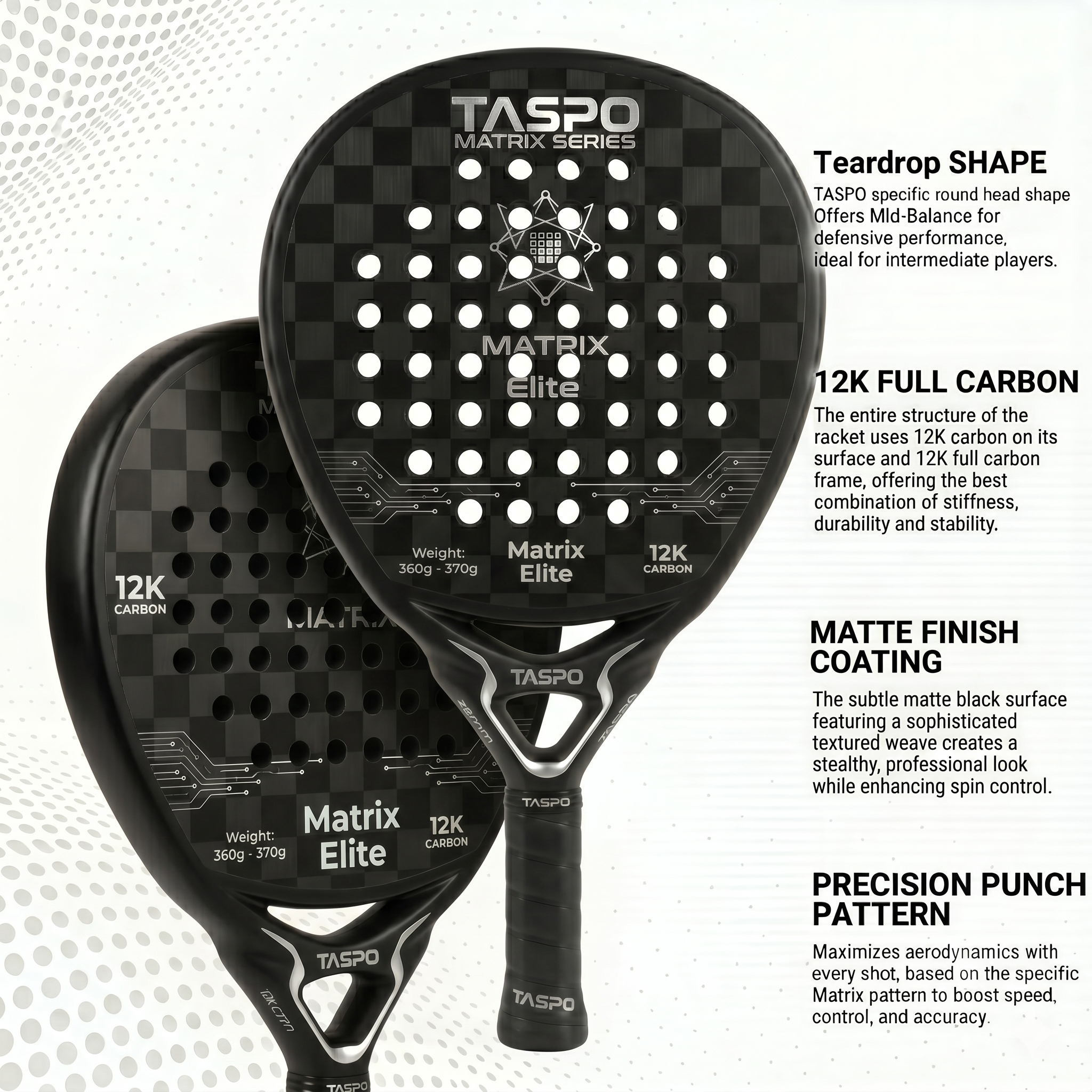
Start with a focused range, define the evidence needed for each claim and revisit the plan when reliable local information changes. Taspo Sports lists padel equipment among its business categories; buyers can use the questions above to prepare a discussion about their requirements. Confirm actual models, specifications and commercial terms directly before making a decision.
 Hot News



