 EN



Why Advanced Pickleball Paddle Models Sell Fast
When a retailer considers an advanced pickleball paddle, the first question is often which feature will make it stand out. A more useful question is whether the paddle solves a problem its intended player can recognize. A clear fit, a credible specification and a dependable ordering process can make a model easier to present. None of those factors, however, proves that it will sell quickly: actual sales depend on audience, pricing, distribution and supply.
For a buyer building a range, the job is to connect the player's experience with the information a store can explain and a supplier can confirm. The following framework turns that work into practical checks rather than predictions about sell-through.
Start with the player, not the feature list
An advanced pickleball paddle may appeal to an experienced player who wants a particular feel at the net, or to a club member moving beyond an entry-level setup. Those are different buying situations. A store serving each group needs a reason for carrying the model and a way to explain that reason without claiming that it suits everyone.
Choose a primary use case before discussing construction. Is the proposed pickleball paddle aimed at players who value maneuverability, reach, or a familiar grip? How does it sit alongside the existing range? Ask the sales team what questions customers actually bring to the counter, then use those questions to shape a short product brief.
That brief should distinguish a player's preference from a measurable specification. A paddle can be described by its dimensions and weight, while comfort and handling depend on the individual. Avoid turning a material name into a promise of a particular result.
Translate construction into a reason to try it
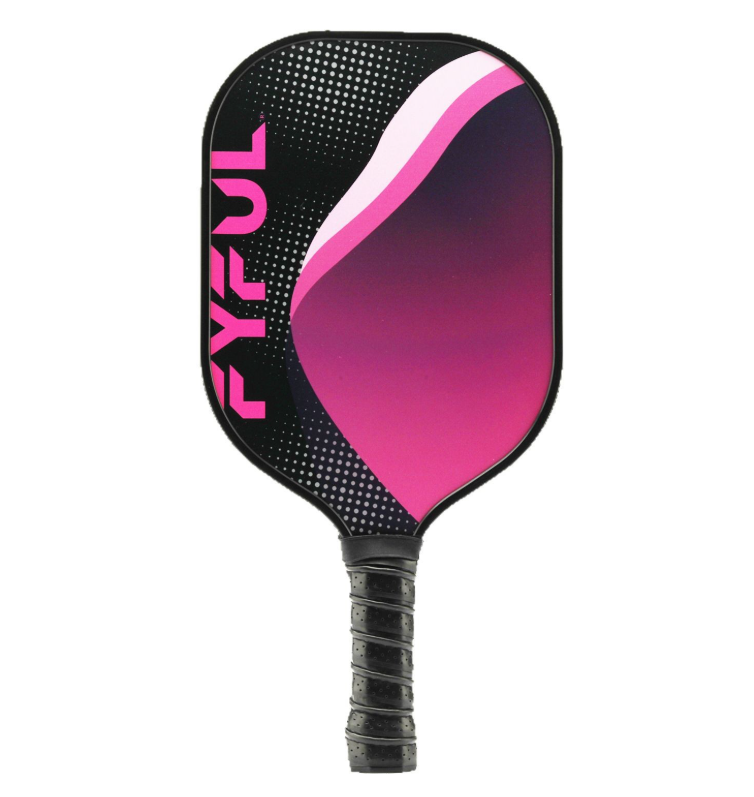
Face material, core construction, shape and handle dimensions give a pickleball paddle its identity. They also interact, so a single specification rarely tells the whole story. Two paddles with similar face materials can feel different because of their overall build, balance and grip.
Carbon fiber is one material a buyer may encounter when comparing advanced models. The material description is a starting point, not proof of a specific spin rate or durability. Ask for the exact face specification and relevant supporting information, and compare samples under the same conditions before making claims in a listing.
Shape and weight are similarly useful when explained in context. An elongated pickleball paddle may be worth considering when a player wants more reach; a different outline may feel more familiar to someone who prioritizes positioning at the net. Invite players to compare samples rather than presenting either shape as the universal answer.
For a planned pickleball paddle range, record the intended weight, handle length and grip dimensions, along with the tolerances the supplier agrees to provide. These details help a retailer discuss differences between models and help a purchasing team identify unexpected changes between an approved sample and a later order.
Make tournament claims specific and checkable
Approval can matter when a pickleball paddle is intended for sanctioned competition. It should not be assumed from a generic description, a factory's other products or a material choice. USA Pickleball maintains an approved paddle list that can be searched by brand and model. Check the exact listing and applicable event rules before making an approval claim, and repeat the check when a model or its construction changes.
As a reference point, the USA Pickleball Equipment Standards Manual published in January 2025 states that paddle length may not exceed 17 inches and combined length and width may not exceed 24 inches, including the edge guard and butt cap. Rules and testing requirements can change; confirm the current version and relevant governing body's requirements for the market before finalizing a design or label.
Ask the supplier what evidence applies to the exact pickleball paddle being ordered. Keep model names, drawings and approval documentation together. If a private-label name or construction differs from the sample, verify its status separately instead of transferring a claim from another model.
Build a listing that makes comparison easier
A shopper looking at several advanced options needs more than a list of materials. A useful pickleball paddle listing can identify the intended player, give the confirmed dimensions and describe what to compare during a trial. A photograph of the actual model and a consistent specification table can support that explanation when those assets are available and approved for use.
Keep the language proportional to the evidence. If a sample is intended for a particular style of play, say who might want to try it and why. If there is no model-specific testing, do not invent a performance figure. Sales teams can also note which aspects are subjective, such as the feel of a grip or a player's preferred balance.
This approach matters to the wholesale professional pickleball paddle buyer because the same product information may have to work for a brand manager, a retailer and an end user. Confirm what each audience needs to know, then keep the core specification consistent across packaging, sales sheets and online pages.
Order for consistency, not just the opening price
A wholesale pickleball paddle bulk inquiry should include more than an estimated quantity. Give the supplier a target audience, intended market, model description, desired branding and expected order schedule. Ask which dimensions and materials can be documented, what sample review involves, and how any changes will be communicated.
Before committing to a larger pickleball paddle order, compare the approved sample with the proposed production specification. Agree on practical details such as packaging, inspection expectations, delivery terms and the process for resolving a mismatch. Costs, minimum quantities and lead times should come from a current quotation, not an assumed industry figure.
A small initial assortment can also make sense when demand is uncertain. For example, a retailer might compare two sample configurations with its own customers before selecting a range. That is a planning exercise, not a reported customer case or a guarantee of demand. Use the feedback alongside margin, inventory and reorder information to decide what to stock.
Questions to settle before placing an order
- Who is the intended player, and what role will this pickleball paddle play in the existing assortment?
- Which face, core, shape, weight and grip details are confirmed for the exact model?
- What can be verified through a sample, and which performance statements require further evidence?
- Does the target competition require approval, and is the exact brand and model currently listed?
- What are the written terms for quantity, packaging, inspection, delivery and changes?
A pickleball paddle with a clear audience and credible documentation is easier to evaluate than one presented through vague performance language. Taspo Sports lists pickleball equipment and custom production among its business offerings. Buyers can use the questions above to start a specification discussion, then confirm available configurations and commercial terms directly before ordering.
 Hot News



