 EN



How to Choose Tennis Beach Rackets for Summer Play
Choosing tennis beach rackets for a summer trip starts with a practical question: who will use them, and for how long? A racket that feels lively in a shop may feel awkward after an hour of rallies in the sand. Look beyond the graphic and compare weight, balance, grip and construction together. If you are selecting equipment for a group, try samples with several players before ordering a full set.
This guide explains what to look for in tennis beach rackets for casual games, regular practice and organized play. It also includes a short checklist for buyers comparing sets for clubs, resorts or retailers.
Start with the player and the setting
For a relaxed family game, choose tennis beach rackets that the intended players can hold and swing comfortably. A manageable feel and a comfortable grip matter more than an aggressive specification. If players are sharing equipment, choose samples that work for different hand sizes and check whether the handle can be adjusted with an overgrip.
For regular players, tennis beach rackets can be selected around a more specific preference. Someone who values quick reactions near the net might prefer a racket that feels easy to maneuver. Another player may prefer a steadier feel during a full swing. Neither preference makes a racket universally suitable; compare them during the same session.
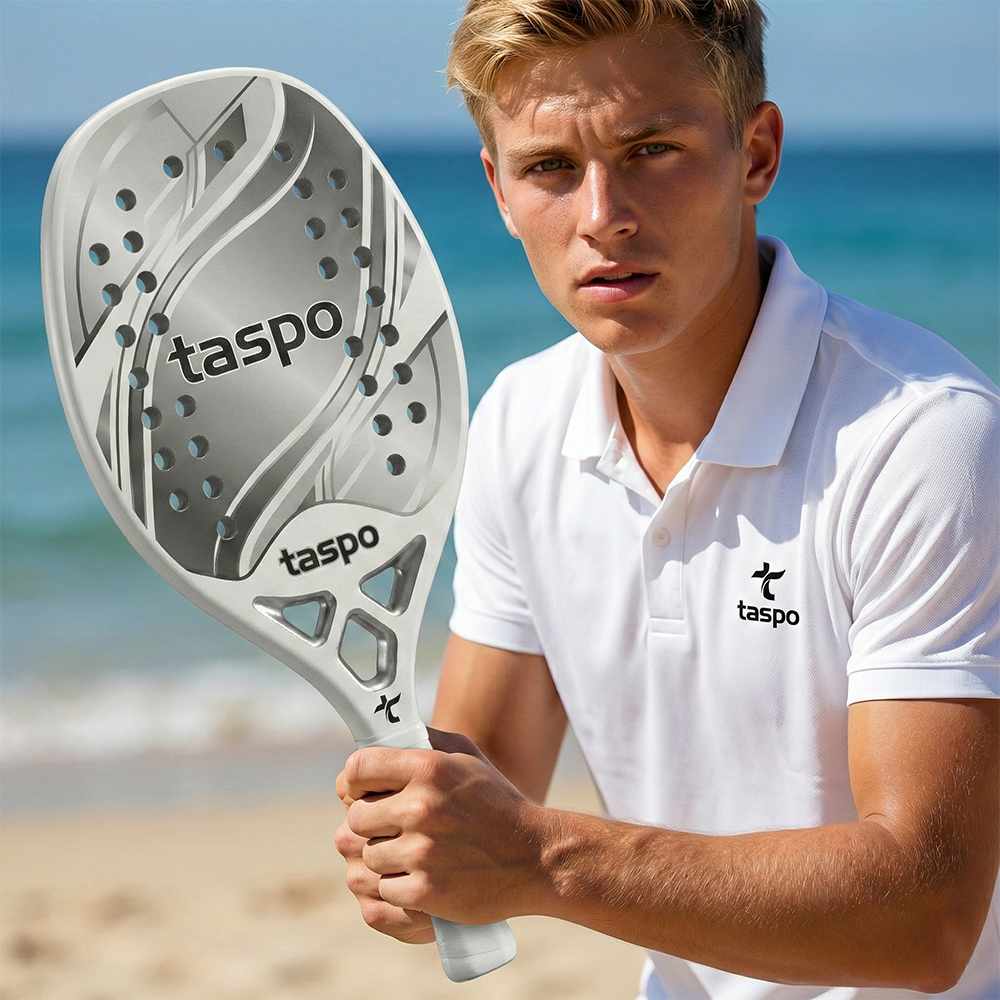
For competitive use, check the current rules of the actual event before purchasing tennis beach rackets. The 2026 ITF Rules of Beach Tennis state that a racket must not exceed 50 cm in overall length and its head must not exceed 26 cm in width. These limits apply under those rules; an organizer may specify additional requirements or use a different rule set.
Compare weight and balance together
Weight is a useful starting point, but it does not describe the whole swing. One specialist buying guide describes a typical range of about 300–350 g for tennis beach rackets; individual models may fall outside it. Ask whether a listed weight includes the grip and any accessories, then compare samples measured in the same condition.
Balance describes how the weight is distributed. Tennis beach rackets with more mass toward the head may feel different from equally heavy rackets balanced closer to the handle. A head-heavy feel can appeal to someone who enjoys a fuller swing, while a handle-oriented balance may feel easier to reposition. Actual response depends on the complete design and the player.
Try this simple comparison: hold each racket at the normal grip position, make several controlled swings and then exchange shots. Notice whether you can return to a ready position comfortably. Do not choose tennis beach rackets from a weight number alone, especially when fatigue or a previous arm issue is a concern.
Understand the face and core
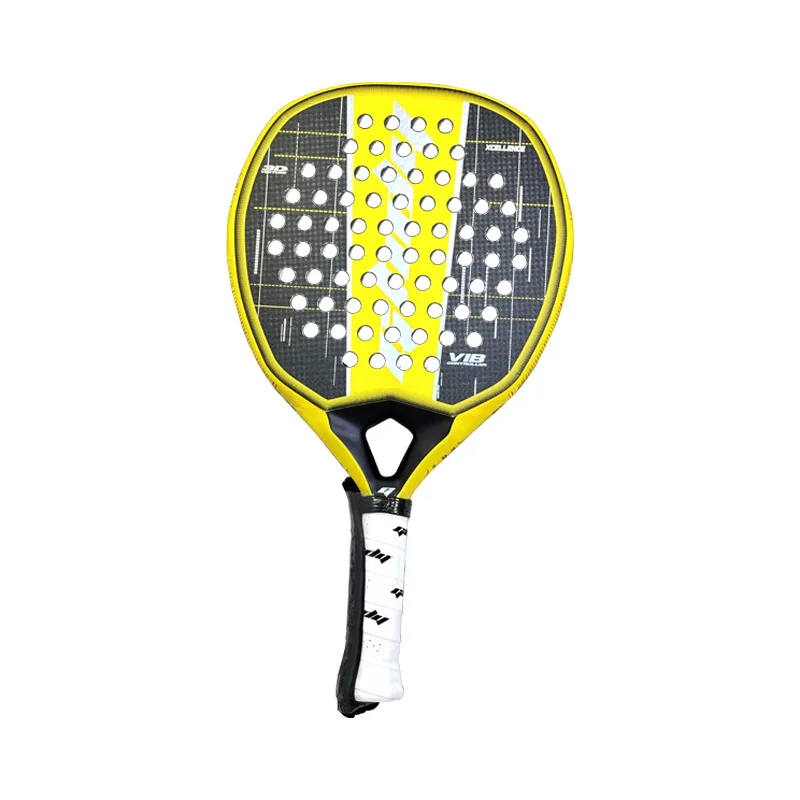
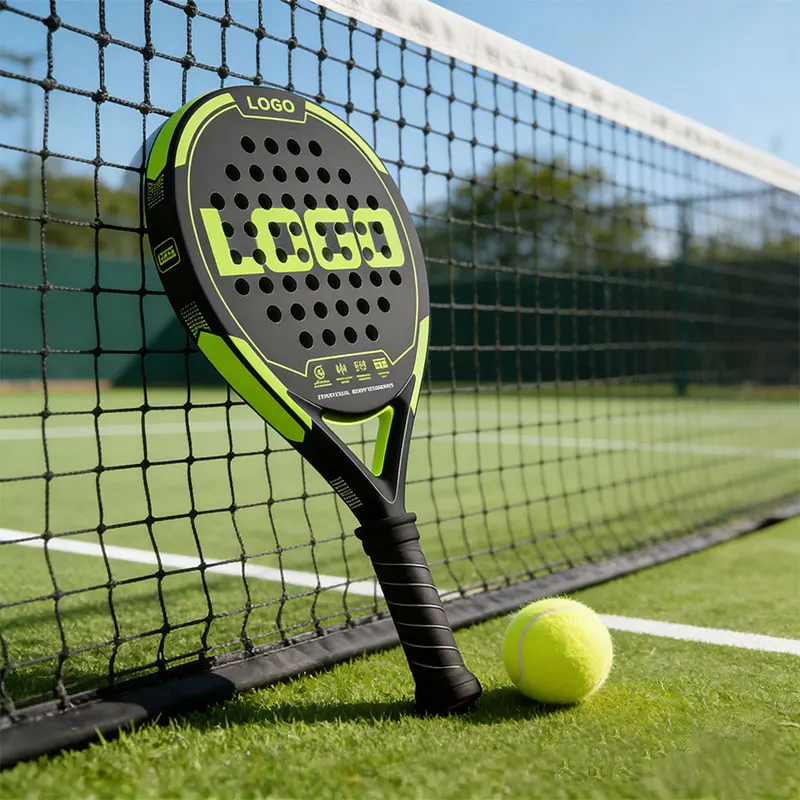
Manufacturers may describe the faces of tennis beach rackets using materials such as fiberglass or carbon fiber, and the core using foam descriptions. These labels help frame questions, not predict a precise outcome. Layup, core characteristics, thickness and the rest of the design all influence how a finished racket feels.
If a softer feel is important, ask how the supplier describes the core and request a sample. When evaluating a wholesale soft core beach tennis set, confirm what each set contains and whether the same construction will be used in the production order. Do not assume that a soft-core label alone establishes comfort or durability for every player.
Take tennis beach rackets with different faces onto the court and play similar shots in similar conditions. A material name on its own does not establish which model will offer more control or suit a beginner. Ask for a written specification and record which sample each tester used.
Check the handle, surface and summer conditions
Grip comfort becomes especially noticeable in hot weather. With tennis beach rackets, hold the handle as you normally would and check that your fingers do not feel cramped. A compatible overgrip can change the feel, so compare samples in the configuration you intend to use. Replace a worn or slippery grip according to the maker's instructions.
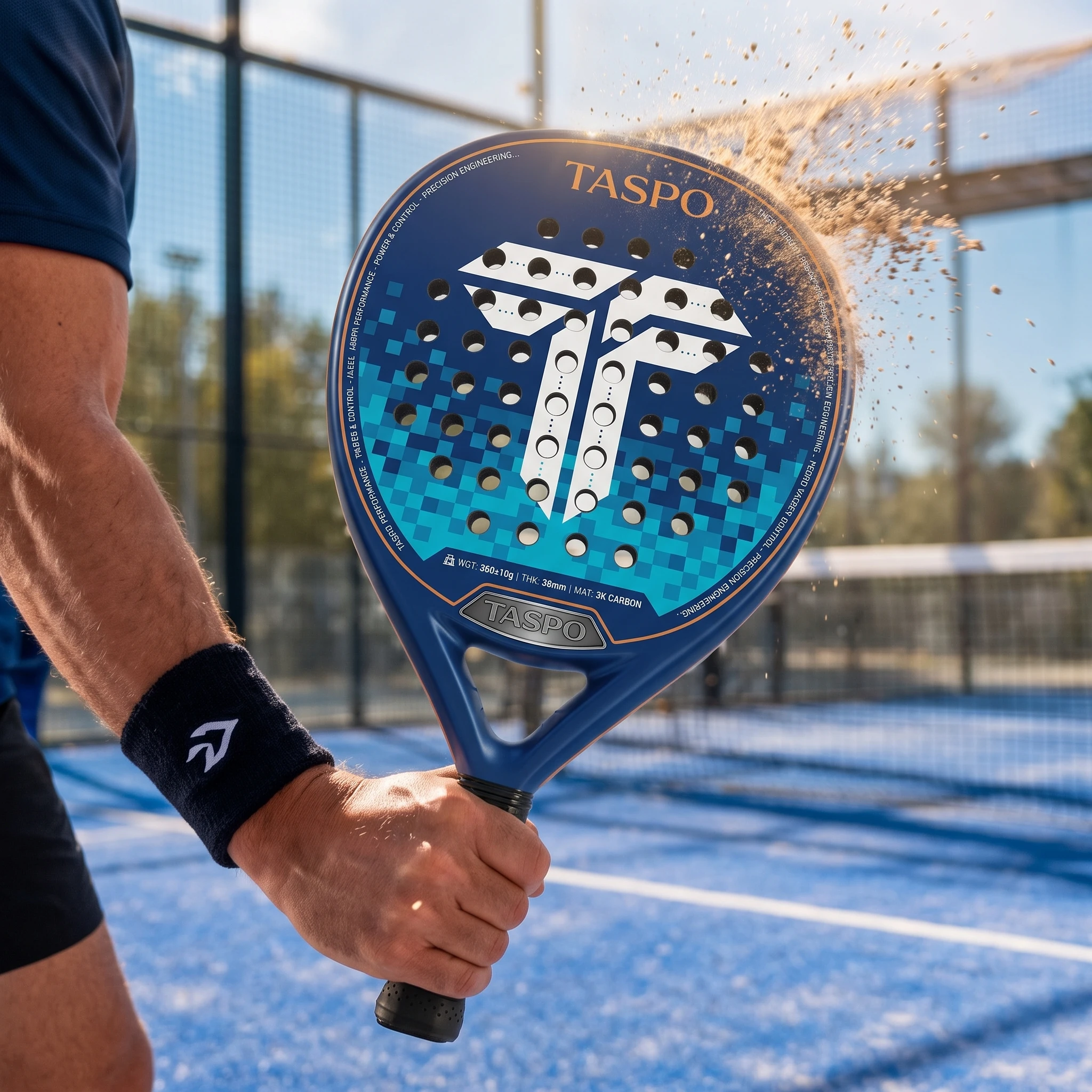
Look over the edge and playing surface for visible damage before use. If tennis beach rackets have holes, inspect their finish and avoid treating the number of holes as a stand-alone measure of performance. Ask the supplier about care instructions and any limits on use before making assumptions about water or heat exposure.
After a beach session, remove loose sand with a soft cloth and follow the manufacturer's cleaning guidance. Let damp equipment dry before storage, and keep tennis beach rackets out of prolonged direct sun or a hot parked vehicle where practical. These are cautious handling habits, not a promise that any racket is immune to wear.
Test a set before a larger order
When comparing a wholesale lightweight beach tennis set, ask for the actual racket weight, how it is measured, the number of rackets and balls included, and the packaging details. A lightweight label may mean different things to different suppliers. Check the full set rather than comparing tennis beach rackets solely by the description.
For a resort, club or retail program, agree on a sample review before approving production. Ask several intended users to play short rallies and record grip feel, maneuverability and visible finish. If tennis beach rackets will be shared, include someone with smaller hands and someone who plays regularly. An example test is a planning exercise, not a claim about a particular customer.
Before ordering, ask for the written specification, sample approval process, order quantity, lead time, packaging and after-sales terms. Confirm any logo or design requirements separately. Taspo Sports describes beach tennis gear among its product areas; discuss actual available options and conditions directly rather than assuming every configuration is offered.
A quick selection checklist
- Identify the intended players, playing frequency and whether tennis beach rackets will be shared.
- Compare measured weight and balance with samples held in the same configuration.
- Check grip comfort during a rally, not just while standing still.
- Request face and core specifications; test the finished racket instead of relying on a material label.
- For events, verify the applicable current rules and the racket dimensions.
- For sets, confirm contents, quantity, packaging, delivery terms and sample approval.
- Follow the maker's cleaning and storage instructions after use in sand.
Frequently asked questions
Are lighter tennis beach rackets easier to play with?
Not necessarily. Balance, grip and construction also affect how tennis beach rackets feel. Compare a few options on court and choose one you can swing and reposition comfortably throughout a session.
Can beginners share a beach tennis set?
Yes, provided the equipment fits the intended users and the activity. For shared tennis beach rackets, check grip comfort across the group and ask what is included in the set. Children may need equipment sized for their own hands and abilities.
Does a soft core make a racket suitable for everyone?
No. A core description is only one part of the design. Try tennis beach rackets as complete products and compare their feel, weight and handle before deciding.
Start with the players, test a few tennis beach rackets, and document the details that matter for your setting. A clear sample and specification review makes the next conversation with a supplier more useful.
 Hot News



