 EN



How to Promote Tennis Ball Bundles for Training Academies
A training director rarely buys a tennis ball for just one lesson. The real decision is how to keep several courts supplied, match balls to different players, and make the next order easy to plan. A useful bundle promotion starts there: explain which sessions the package serves, what it contains, and how the academy can reorder it.
For suppliers and distributors, the goal is not simply to advertise a larger carton. It is to help the coach and the person approving the purchase agree on a practical tennis ball plan. The following approach turns that plan into a clear offer without making claims that the product or supplier cannot support.
Start with the academy's weekly schedule
Before designing a tennis ball bundle, ask how many groups train, which surfaces they use, and whether the sessions involve feeding drills, rally practice or match preparation. A junior programme and an adult competitive squad may share a facility but need different equipment. Ask coaches how often they replace balls and whether they keep separate baskets for drills and matches.
Then identify the buyer's operational constraints. Does one coordinator order for every court? Is storage shared? Are deliveries needed before a new term? An academy may prefer several smaller shipments even when its total order is large. Treat delivery dates and shipment sizes as points to confirm with the supplier, not promises in a promotion.
Use a short intake form: number of groups, training frequency, preferred tennis ball type, approximate replacement cycle and destination. This information gives the seller a basis for a relevant quotation and gives the academy an easy way to compare offers.
Build bundles around actual training uses
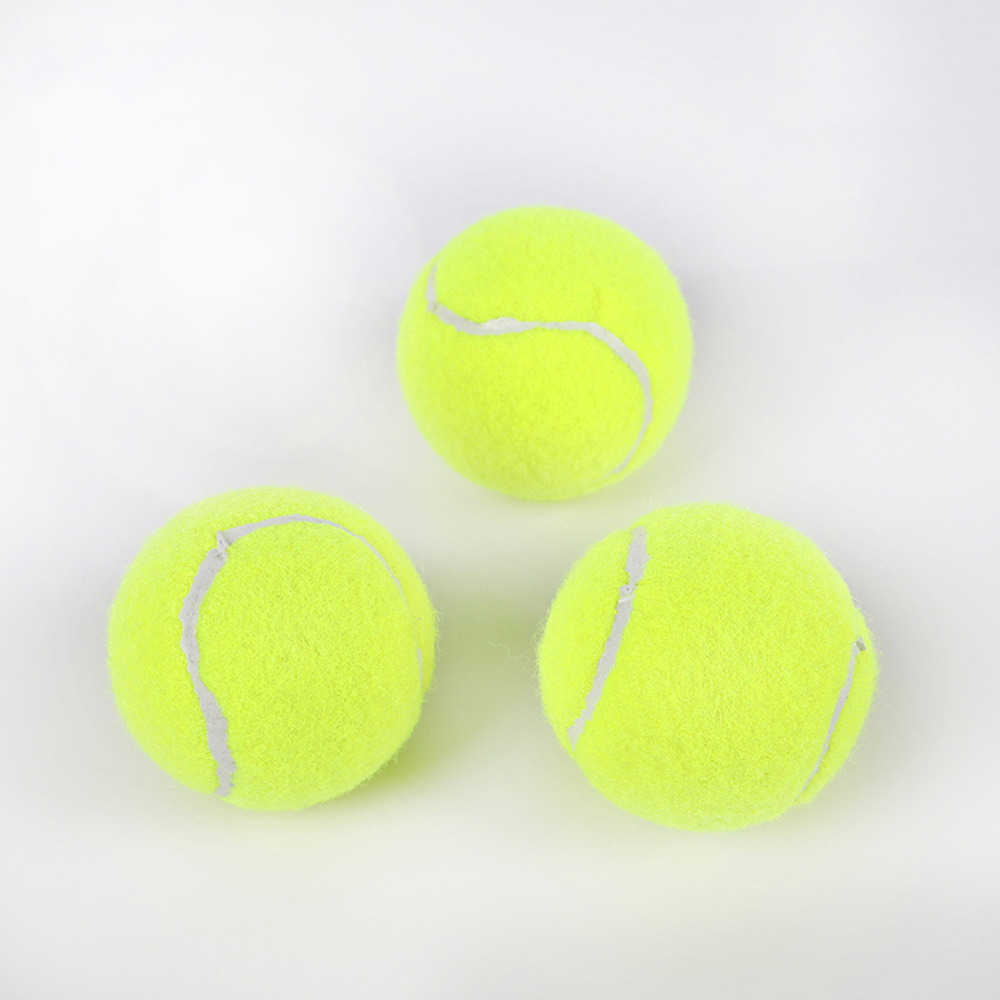
Create distinct options rather than presenting every tennis ball package as interchangeable. Label each by its intended setting, then list the ball type, number of balls, packaging format and any available variations. The quantities below are planning examples, not an offer or a claim about stock.
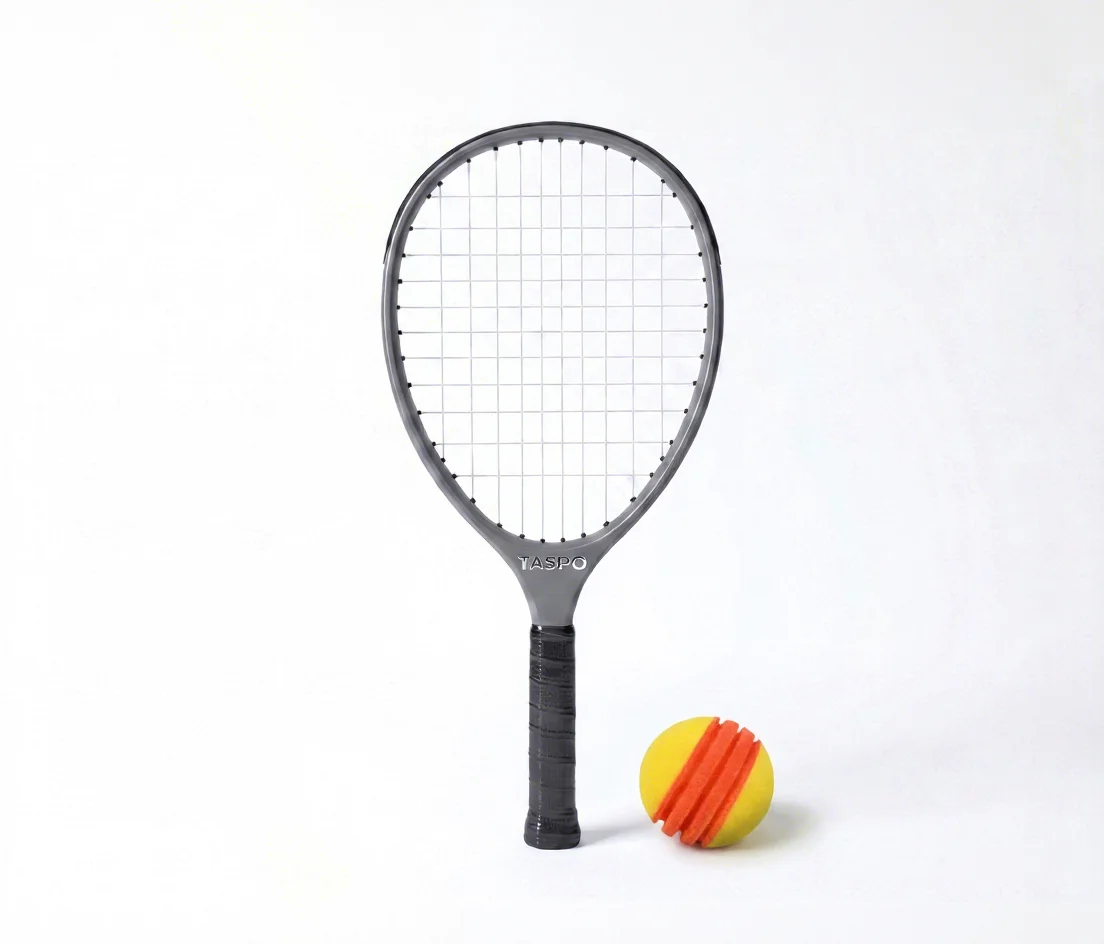
- Junior pathway: specify the stages requested by coaches and keep each stage identifiable. Red and green tennis ball options have different uses; the USTA describes red balls as foam or felt and green balls as lower compression than traditional yellow balls. Coaches should check current local programme rules before ordering.
- Daily drills: group balls for repeated feeding and basket rotation. Ask which tennis ball construction the coaches prefer and whether they need a consistent type across courts.
- Match preparation: show the packaging and ball type separately from the drill supply. If a competition requires a particular approval or model, ask the buyer to verify the current rules and the exact product documentation.
Consider an illustrative academy with two junior groups and one adult squad. Its order could combine stage-appropriate tennis ball packs with a separate adult drill allocation. The promotion should show each component and let the buyer request adjustments; it should not imply that a single mix suits every facility.
Make the quantity and economics easy to compare
Academies searching for wholesale tennis balls bulk need more than a headline carton price. Show the number of balls per package and per full order, then clarify whether freight, taxes and any customisation charges are included in the quoted amount. If these depend on destination or quantity, state that they are confirmed in the quotation.
A simple planning calculation helps: multiply the number of active courts by the balls needed per court, then add the reserve the coaches choose for the replacement cycle. For example, four courts using 24 balls each require 96 balls for the initial allocation. A reserve is an additional decision, not a fixed percentage. Compare the resulting total with available pack sizes so that the tennis ball order does not leave coaches short or create excess stock.
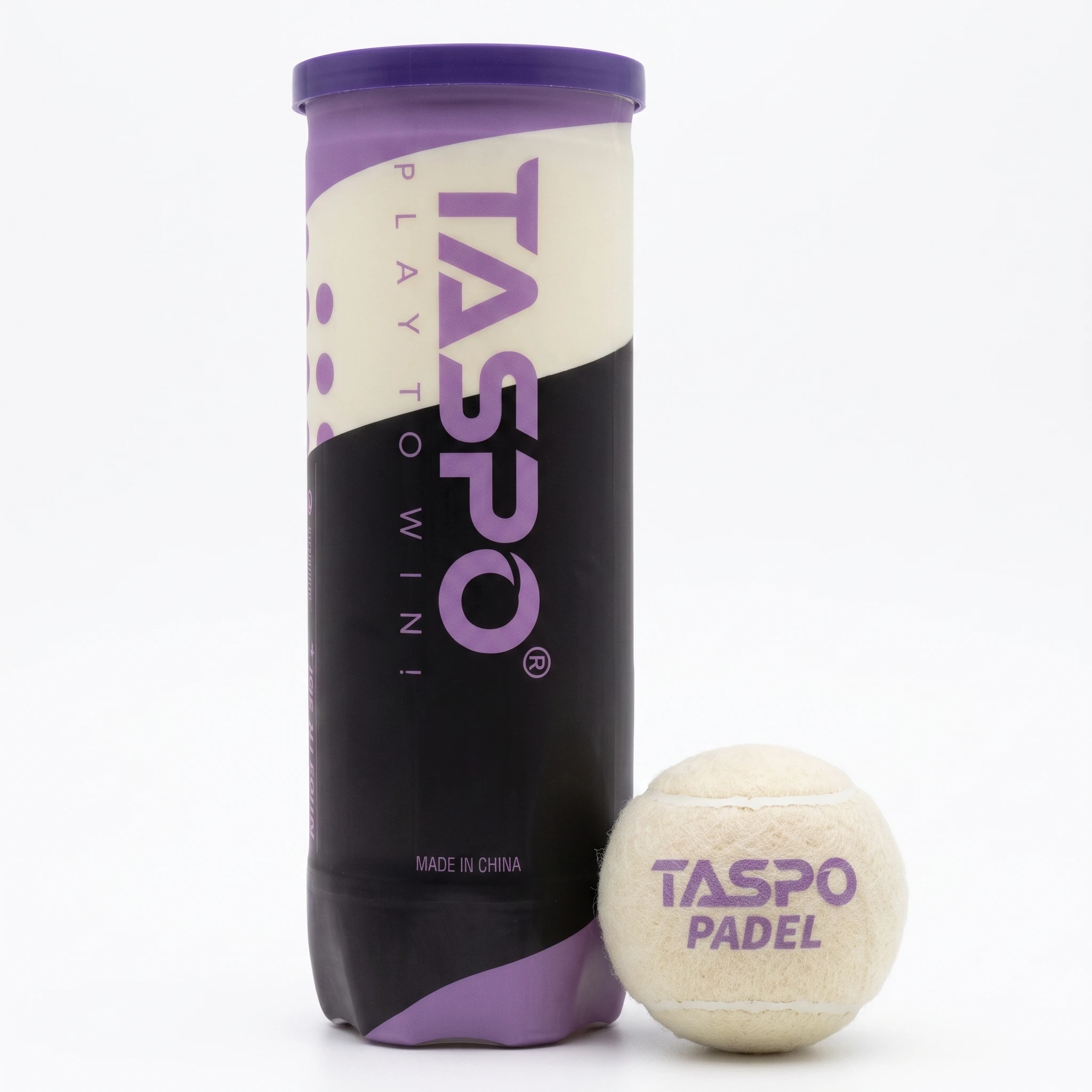
For wholesale pressurized tennis balls, describe the packaging, quantity and intended use accurately. Store unopened pressurised cans in a cool place, protected from excessive heat; once opened, monitor play characteristics and replace balls according to the coaches' own criteria. Avoid promising a specific service life unless the product evidence supports it.
Turn the bundle into a useful promotion
Lead with the operational outcome: fewer separate decisions for the training term and a clear tennis ball allocation for each group. A product sheet or email can follow a simple sequence: the intended academy, the sessions covered, the exact contents, and the information required for a quote. Put the ball count beside the package count so the buyer does not have to infer one from the other.
Use photos only when they show the actual supplied items or are clearly labelled as illustrative. If colour, artwork or packing can be customised, confirm those options before offering them. Similarly, a stated discount should show its comparison basis and conditions. Do not invent testimonials, approvals, delivery guarantees or performance results to make a tennis ball bundle sound more attractive.
Give coaches a reason to involve the purchasing team. A one-page tennis ball checklist can include the stage or type, surface, number of courts, total quantity, delivery location and requested date. The purchaser can return that list for a quote, while the coach checks the proposed mix. A sample may be useful for assessing fit, subject to supplier availability and agreed terms.
Choose channels and measure response
Match the message to the person receiving it. A short email to an academy director can focus on term planning; a coach-facing handout can explain the tennis ball mix for drills and junior sessions. A landing page can answer both sets of questions and invite a request for a tailored quotation. Share the same item counts and conditions across all channels to avoid confusion.
Track practical signals: qualified enquiries, requests for a revised mix, quotations sent and orders placed. Compare enquiries with orders over a defined period, and record the reason when an academy declines. If many buyers request different quantities, revise the tennis ball package sizes or make the custom-quote option easier to find. Avoid treating clicks alone as proof that the offer fits.
Prepare the next order before the term ends
After delivery, suggest that the academy label its tennis ball baskets by group and record the date each pack is opened. Coaches can note when a set no longer suits its intended session and use those observations to estimate the next order. Keep unused stock in a suitable indoor space and follow the manufacturer's storage guidance.
At the end of the cycle, review the actual usage with the buyer: which groups needed more, what remained unopened, and whether the shipment arrived when required. Use that feedback to adjust the next tennis ball bundle and request a fresh quotation. Clear quantities, honest conditions and coach input make the promotion useful long after the first order.
 Hot News



