 EN



Why Core Rubber Composition Influences Tennis Ball Bounce
A tennis ball can look much like another while rebounding differently. The felt is visible, but the hollow rubber core does much of the work when the ball meets the court. Its material, wall construction and internal pressure all contribute to how the ball compresses and returns energy. For a buyer, the useful question is not simply which rubber sounds more resilient; it is how the finished ball performs under a repeatable test.
Looking at the core as a material-and-structure problem also makes purchasing conversations clearer. A compound description alone cannot predict a tennis ball bounce height, and a single bounce measurement cannot reveal the exact recipe. The following framework explains the relationship without assuming a particular supplier's formulation.
What happens when a tennis ball hits the court?
On impact, a tennis ball flattens briefly. The core bends, the gas inside is compressed, and the felt and contact surface also deform. As the ball regains its shape, part of the stored energy drives it upward. Some energy is dissipated through internal friction, sound and heat rather than returned as rebound.
Rubber is viscoelastic: its response includes elastic recovery and time-dependent energy loss. A core that returns more energy under one set of impact conditions can contribute to a higher rebound, but composition is only one part of the system. Impact speed, temperature, pressure and the properties of the surface all matter. Comparing two balls on different floors, for example, does not isolate their rubber compounds.
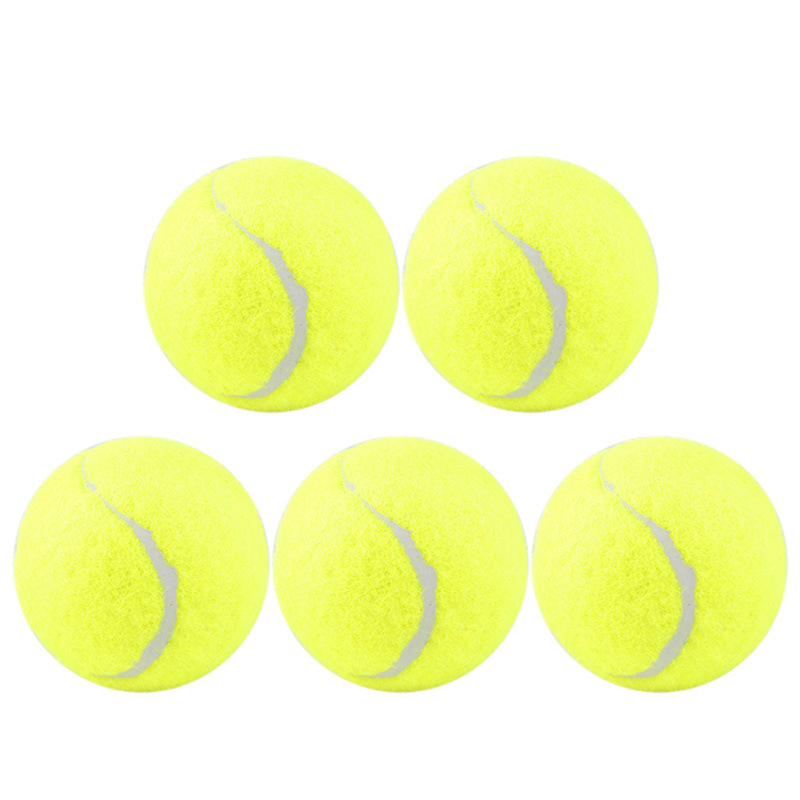
How rubber formulation changes the response
Elastic recovery and energy loss
Rubber compounds may use different polymers, fillers and curing systems. Those choices can alter stiffness, damping and recovery, but their effects depend on the whole formulation and manufacturing process. A tennis ball core designed to deform and recover with relatively low energy loss may help rebound. That is a design objective, not proof that a named ingredient by itself produces a higher bounce in every formulation.
Stiffness needs context, too. A harder-feeling core does not automatically mean a higher bounce. If it deforms differently, dissipates more energy or is paired with a different pressure, the result can change. Ask for finished-ball measurements rather than treating hardness as a substitute for a rebound test.
Compound consistency and processing
The same nominal formulation can behave differently if mixing, curing or wall thickness varies. Uneven properties may make individual samples less consistent, while seams and manufacturing tolerances are also worth checking. A tennis ball specification should therefore describe the completed item and the sampling method, not just list raw materials.
For a purchasing team, consistency is as important as a promising first sample. Request a batch identification system, a description of quality controls and results for more than one sample. Compare the spread of measurements as well as the average; neither is meaningful without knowing how the test was performed.
Pressure, wall design and felt work with the core
A pressurized tennis ball relies on gas pressure as well as the rubber shell. Gas compression contributes to its response, and loss of pressure over time can change the feel and rebound. A pressureless design relies more on the shell's construction for its playing characteristics. These are different design approaches, so a buyer should compare the entire ball rather than crediting a bounce difference to rubber alone.
Wall thickness and geometry affect how a tennis ball deforms. The felt covering also affects the contact with a court and changes with use. Storage, package condition and time since opening can affect a comparison of pressurized balls. When samples arrive, record their condition and test like with like: unopened against unopened, or the same elapsed time after opening.
Temperature is another important condition. A cold tennis ball may respond differently from a warmer one because material behavior and gas pressure vary with temperature. Allow samples to reach the same testing conditions before comparing them, and note those conditions alongside the results.
How to compare bounce in a practical test
The International Tennis Federation's 2026 technical booklet describes a rebound test, ITF TB 04/01, with controlled testing conditions. Applicable requirements differ by ball type. An informal drop test can help screen samples, but it is not a substitute for the relevant laboratory procedure or evidence of approval.
- Agree on the intended ball category and request the applicable current test specification from the supplier or laboratory.
- Identify each tennis ball sample and record its packaging state, batch, storage history where known, and time since opening.
- Use the same rigid, level surface, drop height and measurement method for each sample; record room conditions rather than assuming they match a standard.
- Test multiple balls from each lot and log individual rebound heights, not just a single favorable result.
- Repeat the comparison after a defined period of use or storage if those conditions matter to the purchase. Keep that result separate from the initial test.
A phone video and a marked scale may help a buyer make an initial comparison, but camera angle, release method and floor variation introduce error. For a formal claim, request the laboratory method, test date, sample identification and full report. A tennis ball that looks consistent in a short screen still needs evidence against the chosen specification.
Questions to ask before placing a bulk order
Buyers researching factory bulk tennis balls can turn material questions into clear acceptance criteria. Ask what ball type is offered, how rebound and deformation are checked, which conditions are used and what variation is accepted between samples. If the formulation is confidential, the supplier can still explain the finished-product tests and provide documentation appropriate to the order.
For an export pressurized tennis balls bulk inquiry, also clarify packaging, storage expectations and how shipment samples will be compared with the approved reference sample. Confirm the product's intended market and any applicable competition requirements separately. Do not assume a seller's description establishes formal approval or a particular lifespan.
- Which finished-ball specification and ball type apply to this order?
- What rebound, deformation and sampling records can be supplied for the proposed lot?
- How are sample and production batches identified for later comparison?
- What packaging and handling conditions should be recorded before testing?
- Can the agreed test method and acceptance criteria be included in the purchase documents?
Make the finished ball the basis for the decision
Core rubber composition influences the balance between deformation, recovery and energy loss, but it works alongside pressure, shell geometry, felt and playing conditions. A useful tennis ball comparison keeps those variables visible and checks the complete product under documented conditions. Start with the intended use, agree on the test, and use sample and batch records to support the purchasing decision.
 Hot News



