 EN



How to Select a High Performance Padel Racket for Matches
A padel racket that feels exciting for five minutes may feel very different in the third set. For match play, start with the shots you need to repeat under pressure: a controlled return off the glass, a quick volley, or an overhead that gives your partner time to move forward. The right padel racket is the one you can place and maneuver consistently, not simply the one with the most aggressive specification.
Use the following selection process to narrow the options, then take the finalists onto a court. A thoughtful comparison considers shape, balance, contact feel and comfort together rather than treating any one label as a shortcut.
1. Define what your match game needs
Before comparing a padel racket, note where points are lost. If you struggle to defend low balls or react at the net, a manageable swing and a forgiving contact area may matter more than extra force on an overhead. If you reach attacking positions consistently but cannot finish the point, consider a padel racket that gives you more support on fast, confident swings.
Make two lists: shots you want to improve and qualities you do not want to sacrifice. An all-court player might put volley preparation and directional control first, with overhead response second. An attacking player may reverse those priorities but should still check defensive recovery. This makes a padel racket comparison much more useful than choosing by experience level alone.
2. Compare shape and balance, not shape alone
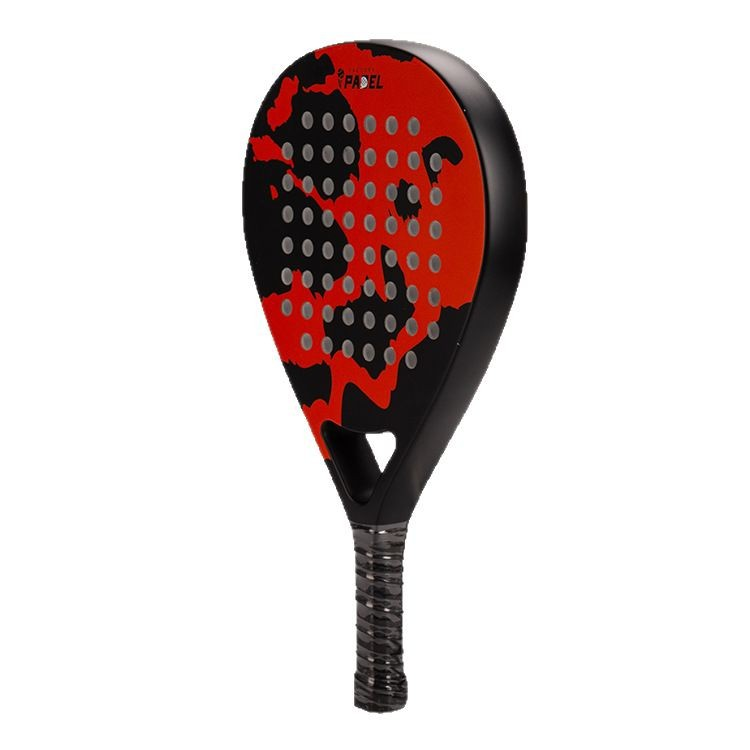
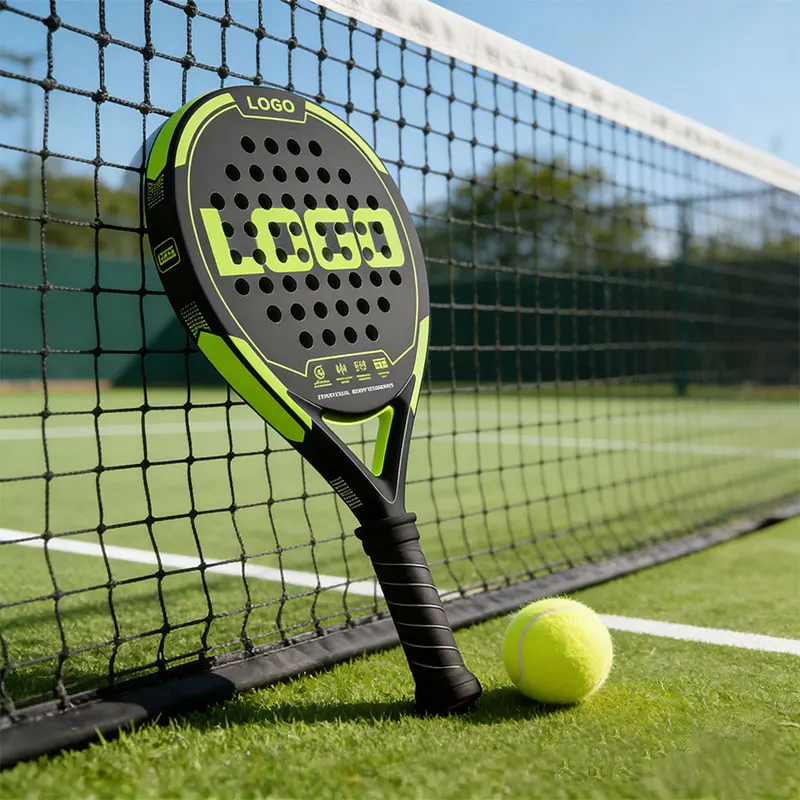
Shape is a useful starting point for a padel racket, but it does not describe the whole construction. Round designs often place the balance closer to the hand and offer a more accessible contact area. A teardrop shape is commonly used for a mixed game, while a diamond shape often places more mass toward the head and can reward a confident attacking swing.
These are tendencies, not promises. Two frames with the same outline can feel different because of their core, surface and weight distribution. Pick up each padel racket and move it from a ready position into a volley. A head-heavy frame may add force, yet require more effort to reposition during rapid exchanges. A lower balance may feel quicker, even when the stated weights are similar.
For a practical shortlist, try a round or moderate-balance padel racket against a teardrop alternative. Add a more head-heavy option only if you can still prepare early and recover comfortably. Ask for the actual weight and balance of the sample, including any grip or protector that will remain on it during play.
3. Check weight, grip and comfort over a full session
Static weight is only part of how a padel racket feels. Balance, handle size and any added grip tape change the way it moves in the hand. A heavier setup may feel stable to one player and slow to another. A lighter padel racket can be easier to bring into position, but it still needs enough stability for the shots you play.
Hold the handle as you would in a match and check whether you can keep a relaxed grip through a series of volleys. If you need to squeeze hard to keep the padel racket steady, try a different handle setup. Test with your usual overgrip and shoes, and pay attention to comfort after repeated strokes rather than after a single hit. Persistent pain is a reason to stop and seek qualified advice, not a signal to keep testing harder equipment.
4. Read the face and core as a combination
The hitting surface and core influence how a padel racket feels at contact. Fiberglass faces are often described as more flexible, while carbon constructions may feel firmer; the specific layup matters. A softer core may feel more responsive on slower swings, whereas a firmer core can provide a more direct sensation when the ball is struck firmly. Neither label predicts every player's result.
When comparing a padel racket, ask for the face material, core type and any available specification sheet. Do not assume that a carbon weave number alone tells you how stiff the finished frame will be. Face layers, core and frame all contribute. A textured surface or hole layout may also affect feel, so test spin and placement with the actual sample rather than relying on a marketing description.
5. Run a repeatable match-style test
Compare each padel racket during the same session where possible, using the same balls and a similar partner feed. Record observations immediately so the more striking first impression does not obscure later performance. A simple sequence gives you useful evidence:
- Defend: play returns after the glass and low balls near your feet. Note whether the padel racket gives you enough time and height to reset the rally.
- Volley: alternate forehand and backhand volleys. Watch for late preparation, unwanted twisting and difficulty directing the ball.
- Attack: hit controlled overheads and faster finishes. Choose a padel racket that gives useful depth without making you rush the next shot.
- Play points: finish with competitive rallies. Check whether the padel racket still feels manageable when decisions are quick and your arm is tired.
Write down control, handling and comfort separately. If one frame produces a powerful shot but makes defensive returns inconsistent, consider whether that trade-off suits your actual match pattern. Ask a coach or playing partner for observations, but keep your own comfort and contact quality central to the decision.
6. Verify match rules and equipment condition
Before entering an event, check the current rules that apply to it. The International Padel Federation rules specify a maximum overall padel racket length of 45.5 cm, width of 26 cm and thickness of 38 mm; the rules allow a 2.5% tolerance when measuring thickness. They also require a non-elastic cord attached to the handle, no longer than 35 cm, to be worn around the wrist.
Inspect the padel racket and cord before play for damage or loose attachment. Ask the event organizer if there are additional equipment requirements. Specifications and event rules can change, so confirm the applicable edition rather than assuming a product listing is enough.
7. Turn player preferences into a purchase brief
For a club, retailer or brand purchasing several units, translate player feedback into a short padel racket brief: intended player group, preferred balance, acceptable weight range, grip setup, face and core preferences, and sample evaluation method. Request written specifications and clarify what variation is acceptable before approving an order.
If a team is considering a customized padel racket OEM project, discuss artwork, sample timing and production terms directly with the supplier; do not assume a particular option is available until it is confirmed. A custom mold design padel racket project should also define who owns the tooling, what geometry is proposed, which dimensions must be verified and how samples will be approved. Test any revised padel racket on court and confirm event eligibility independently before production.
A final choice is easier when the priorities are clear: pick the padel racket that supports your most frequent match shots, remains comfortable through a full session and has specifications you can verify. Taspo Sports supplies racket-sport equipment; contact the company with your intended use and questions to discuss what is available.
 Hot News



