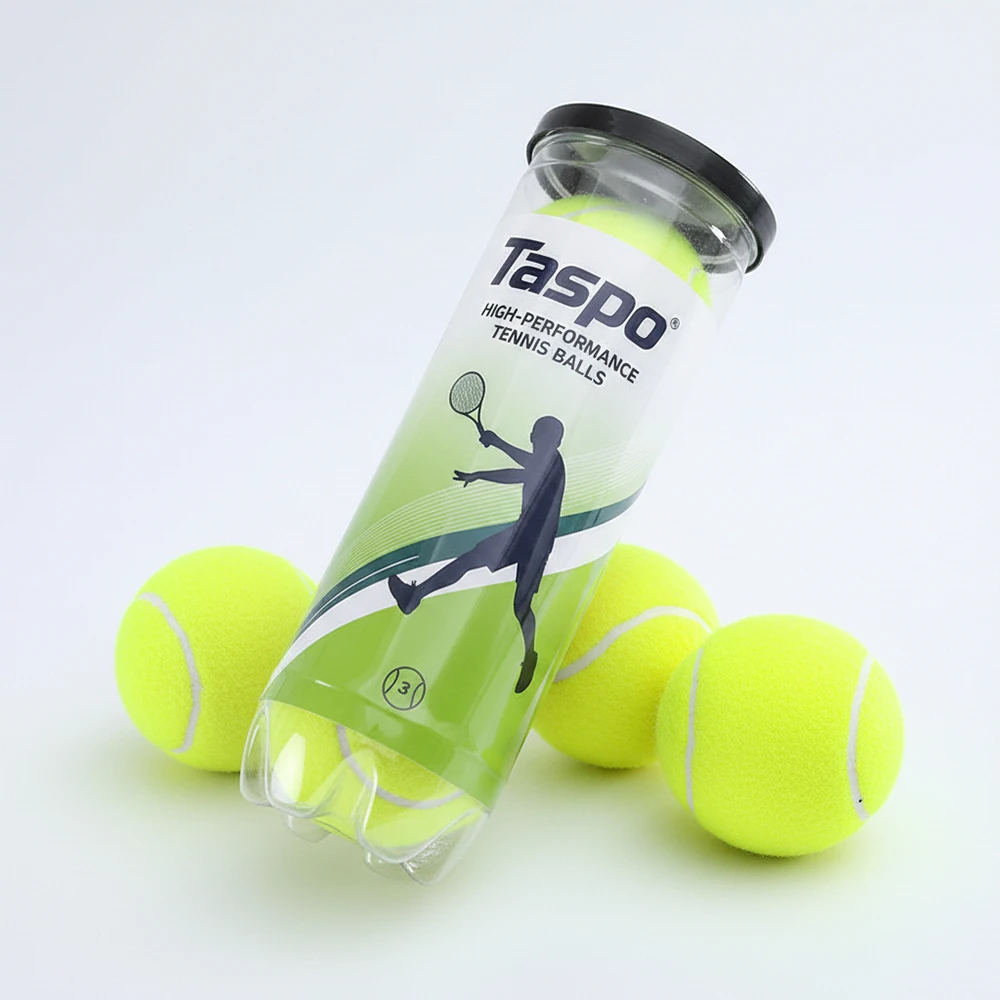
Professional padel has undergone a massive architectural transformation over the past three seasons, and the sphere at the center of the court has been forced to evolve right alongside the arena. Walk onto a modern championship center court and you will notice that the old-fashioned green carpets buried under heaps of loose silica sand have vanished. In their place sits curled, texturized monofilament turf engineered to showcase clean aesthetics and prevent dangerous player knee slides. While this sandless turf looks spectacular on television, its tightly curled polypropylene fibers create twenty-two percent higher surface grip than traditional sanded courts. When clubs throw standard recreational spheres onto these high-friction championship carpets, the outer nap catches violently on the turf—causing the ball to fluff up within ten minutes, slow down in mid-air, and turn rallies into sluggish pushing contests. Understanding what defines an official tournament padel ball in today’s fast-paced era starts with how engineers calibrate outer nap drag and dynamic surface elasticity specifically for modern texturized court carpets.
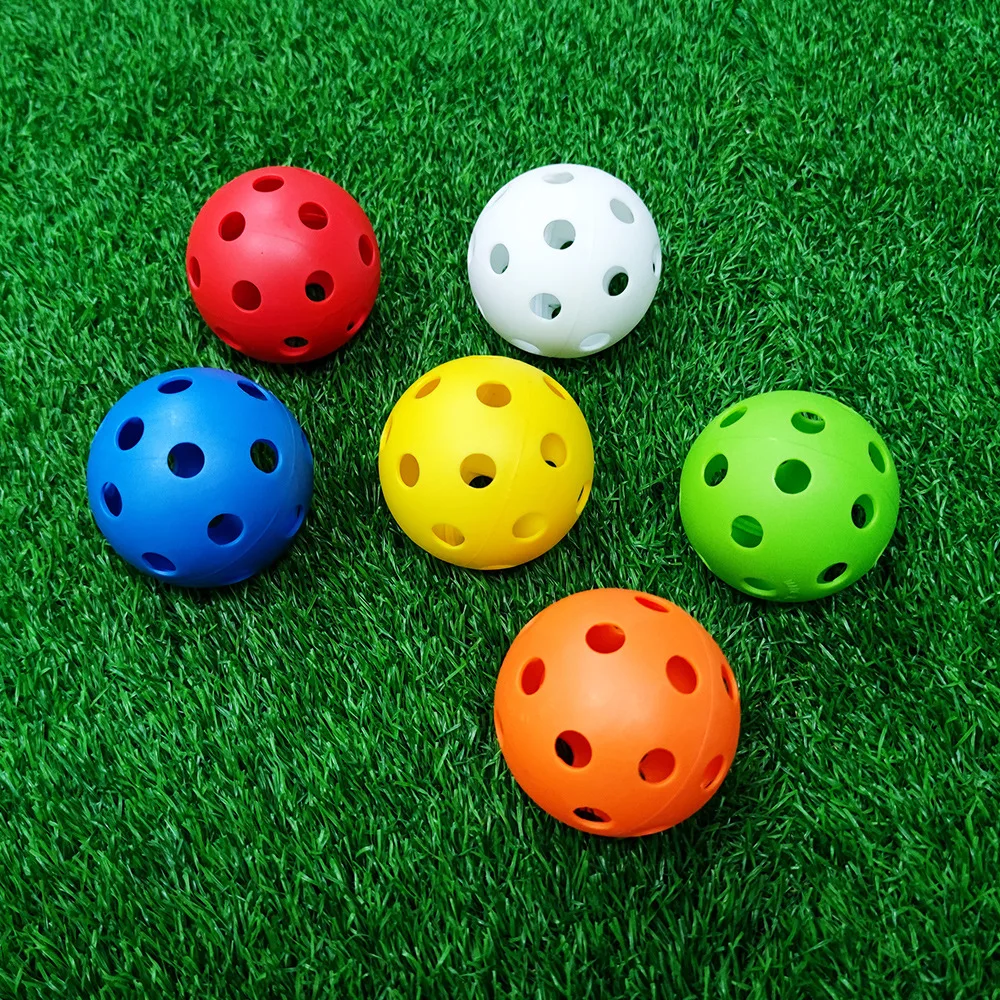
Beyond turf friction, a true championship sphere is defined by optical physics under high-lumen stadium lighting and high-definition broadcast cameras. Unlike open-air lawn tennis played against dark green backdrops, competitive padel takes place inside a reflective glass box surrounded by galvanized steel grids, colorful court-side LED advertising boards, and overhead floodlights mounted just six meters above the lobs. When a player tracks an overhead smash dropping through the glare of ceiling lights, or when a sixty-frame-per-second streaming camera follows a cross-court viper shot off the back glass, dull or unevenly dyed spheres disappear into visual motion blur. Consequently, an official tournament padel ball utilizes specialized fluorescent chromophore dye baths infused directly into the wool and nylon fibers prior to weaving. This optical fluorocarbon treatment absorbs invisible ultraviolet stadium light and re-emits it within the high-visibility yellow-green spectrum around five hundred and fifty nanometers. Sports vision tracking trials confirm that high-contrast optic tournament felt improves athlete depth-perception reaction times by fourteen percent during night matches while keeping the sphere razor-sharp for broadcast viewers.
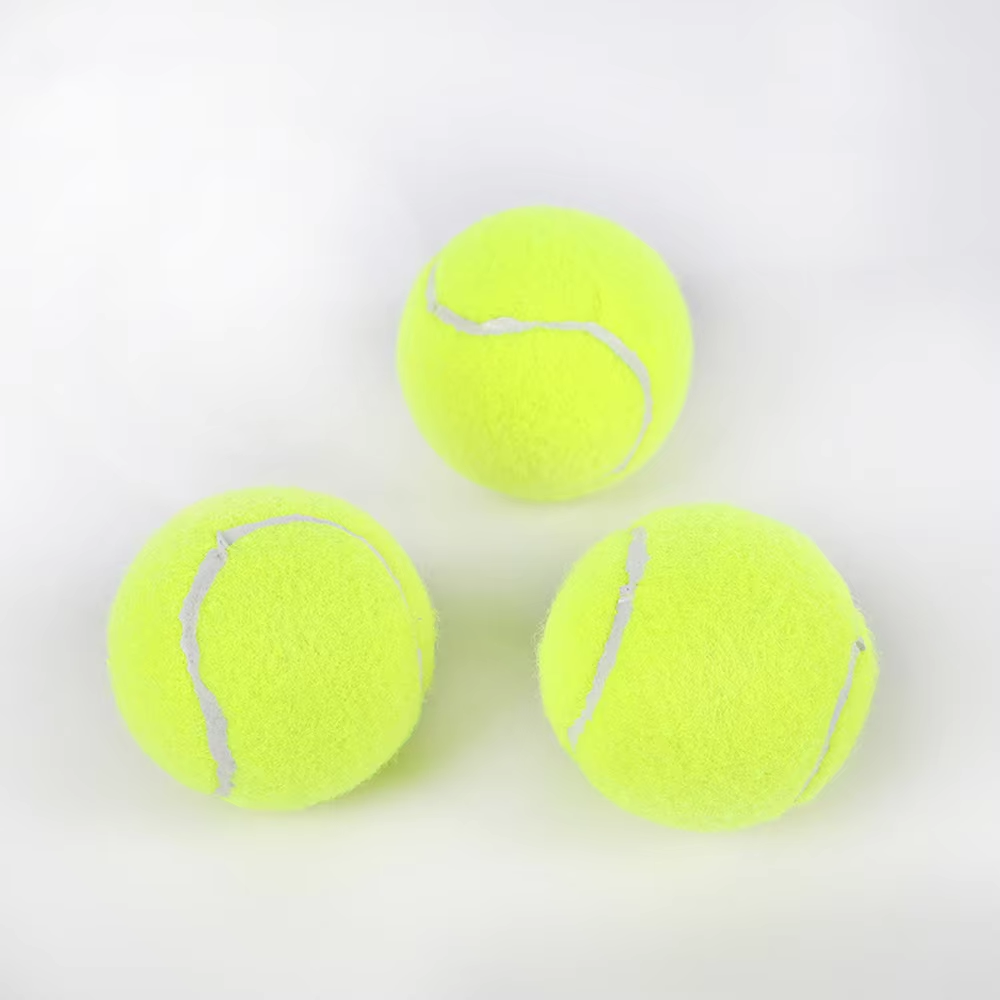
Anyone who has watched a third-set tiebreak knows that the most unpredictable moments happen when a ball strikes the sharp metallic junction where tempered glass meets the welded wire mesh fence. Those jagged corner impacts subject the sphere to asymmetric shear forces exceeding eight hundred Newtons in less than three milliseconds. Cheap practice spheres fail this torture test not because their rubber walls are thin, but because their equatorial rubber seam and external felt channel are glued together with rigid, low-grade adhesives. When a poorly bonded sphere clips the steel fence at an angle, the internal glue line fractures and the white felt seam peels open, causing the ball to wobble like a punctured tire on the very next point. In contrast, an official tournament padel ball is defined by dual-stage thermal seam vulcanization. Manufacturers bevel the meeting edges of the two natural rubber hemispheres and fuse them using elastic latex-curing compounds that flex at the exact same modulus as the surrounding bladder wall. Simultaneously, the interlocking dumbbell felt panels are locked down with flexible polyurethane seam adhesives that stay completely flush with the nap—preventing erratic seam kicks when the ball skids low off the corner glass.
From a commercial procurement perspective, a championship sphere is only as good as the pressurized container that protects it between the factory floor and the referee’s chair. Tournament organizers and wholesale tournament padel ball distributors frequently order full ocean containers months ahead of a seasonal circuit, storing pallets in warehouses exposed to swinging coastal humidity or desert heat. Consider a major tournament series and club distribution network operating across Doha, Qatar, and Gothenburg, Sweden. Two years ago, the organizers suffered an embarrassing equipment failure during a televised pro-am event when nearly twelve percent of their newly opened cans hissed weakly and produced flat, dead spheres right out of the tube—caused by microscopic gas permeation through thin plastic walls during four months of warm warehouse storage. Ahead of the following season, the procurement director partnered with a specialized manufacturer to overhaul their custom tournament padel ball packaging architecture. By upgrading to high-barrier polyethylene terephthalate tubes sealed with double-crimped aluminum pull-tab membranes and packing spheres at a stabilized internal nitrogen-air ratio, six-month shelf-life pressure loss dropped below zero point eight percent across five thousand cans, securing a one hundred percent renewal rate from event sponsors.
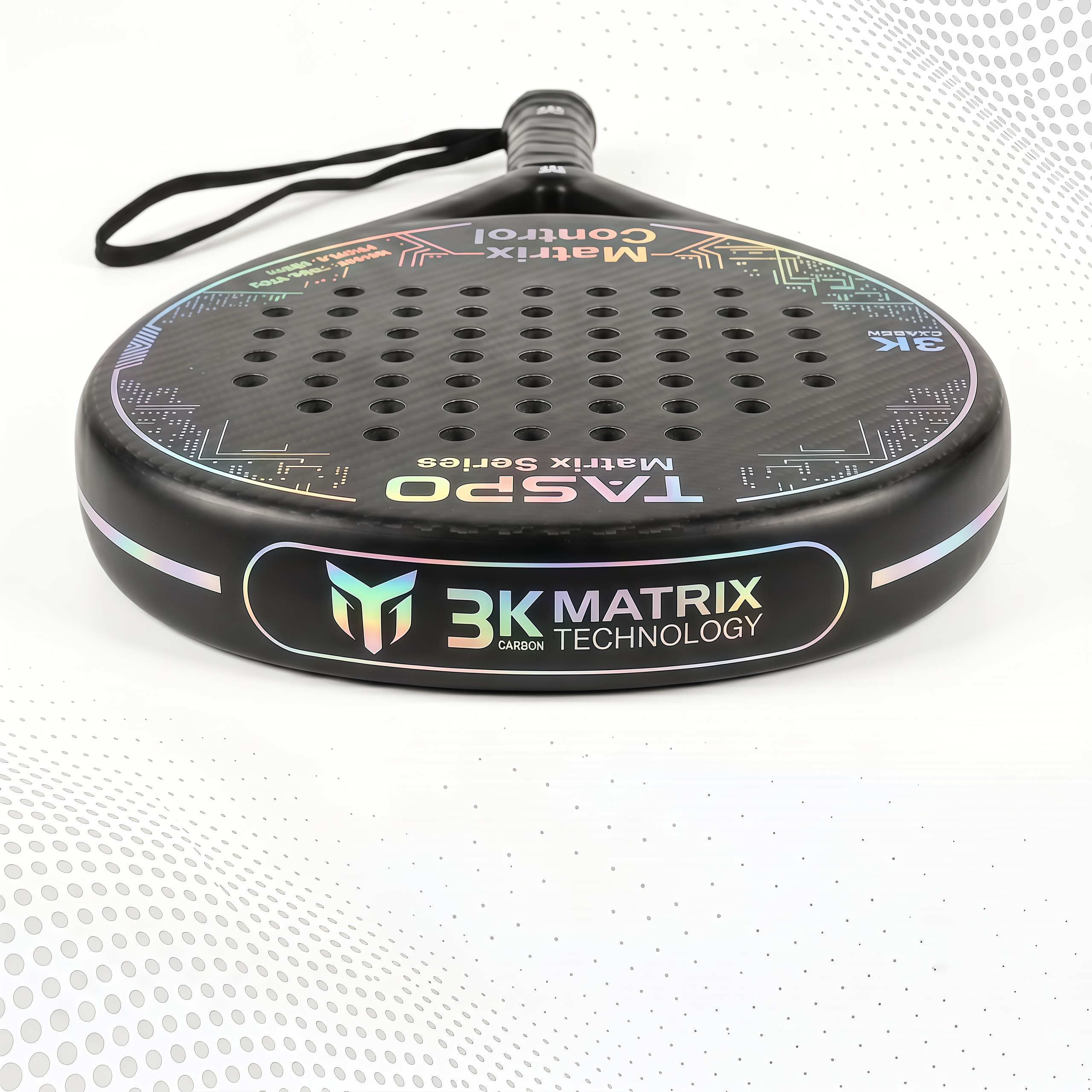
Supplying national federations, televised club leagues, and discerning pro shops with spheres that play identically from the first can to the ten-thousandth requires partnering directly with an engineering-led factory. Routing pressurized padel ball orders through third-party trading brokers leaves buyers vulnerable to faded fluorescent dyes, brittle seam glue that splits against wire fencing, and leaky packaging seals that ruin inventory value. Collaborating directly with a vertically integrated manufacturer eliminates those operational gambles completely. This is where Taspo stands out as the trusted production partner for global padel brands, tour organizers, and wholesale distributors. Operating modern ISO-certified rubber compounding lines, automated thermal seam vulcanization presses, spectrophotometer color-matching labs, and double-seamed pressurized canning stations, Taspo engineers every official tournament padel ball to thrive on modern monofilament turf under stadium lights. Every production batch at Taspo undergoes high-velocity corner-mesh impact simulations and water-immersion airtightness verification before shipping. By consolidating wholesale tournament padel ball orders alongside Taspo’s high-modulus carbon padel rackets, tacky overgrips, sweatbands, and thermal court bags, brands lock in factory-direct margins and deliver tour-proven excellence on every bounce.
 Hot News
2026-11-24
2026-11-24
2026-11-24
2026-11-24
2026-11-24
2026-11-24
 EN