 EN



What Distinguishes an All Court Tennis Ball?
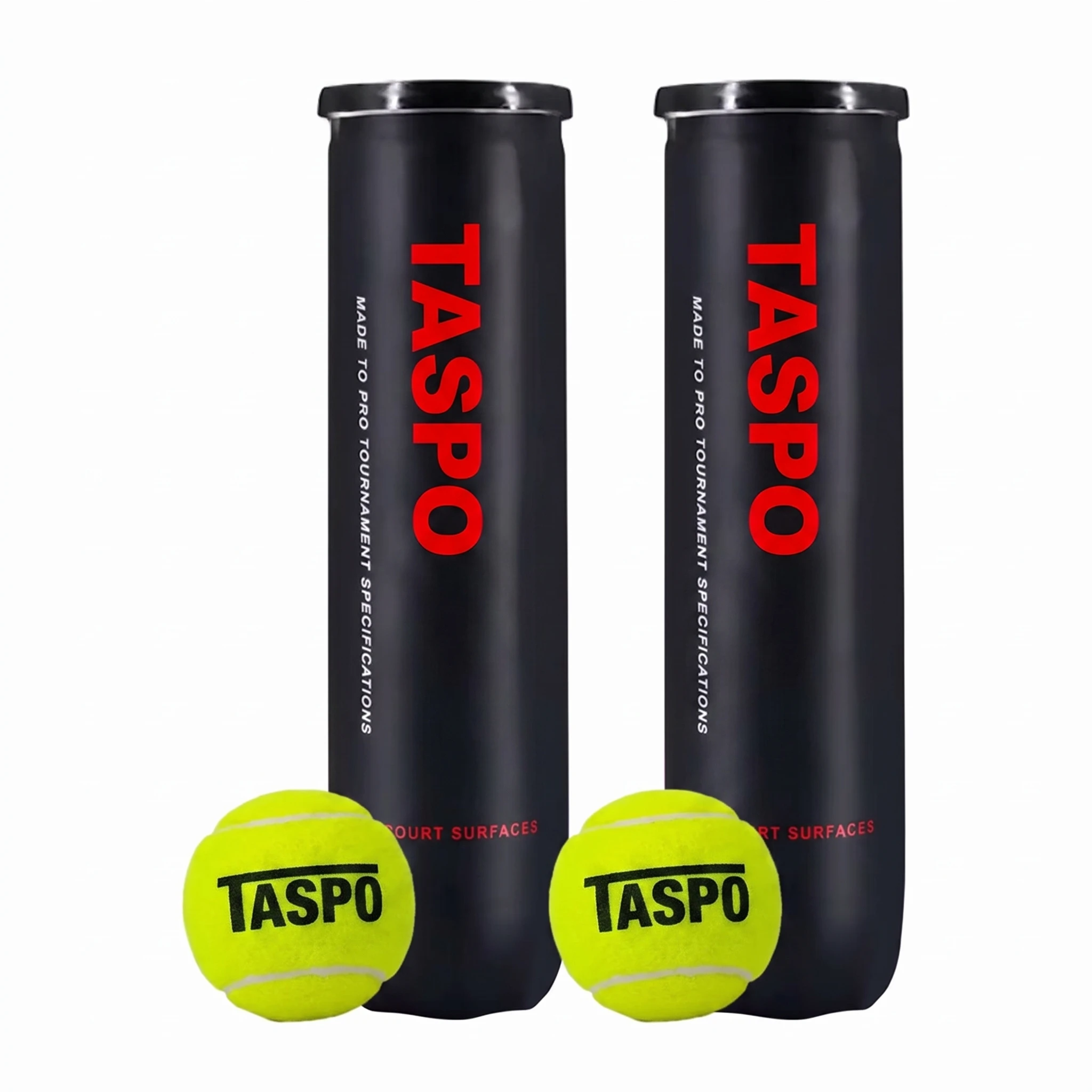
An all-court tennis ball is designed as a versatile option for play on more than one court surface. Its key distinction is a compromise: the felt and core are intended to provide a usable balance of bounce, feel and wear across different conditions. It is not a promise that one ball will behave identically on hard court, clay and lawn courts, nor is “all court” a separate International Tennis Federation (ITF) approval category.
If you play a weekly game on a hard court and occasionally visit a clay club, that versatility may be useful. If almost all your tennis is on one abrasive surface, a ball labeled for that specific court may make more sense. The package, your local conditions and a short play test tell you more than the label alone.
What the all-court label means
Manufacturers use “all court” to describe intended versatility, but the phrase does not tell you the precise felt blend, core construction or useful life. Two all-court products can feel different. Look for the manufacturer's surface guidance and whether the tennis ball is pressurized or pressureless, rather than assuming that every can with the same label uses the same design.
The rubber core affects rebound and feel, while the felt covering interacts with both the court and the air. When a tennis ball strikes the ground, surface friction and the condition of the felt influence the shot's behavior. Those effects change as the covering becomes worn, dirty or wet. The core matters too: a pressurized ball can lose internal pressure over time after its can is opened, so a ball that looks fuzzy may still feel flat.
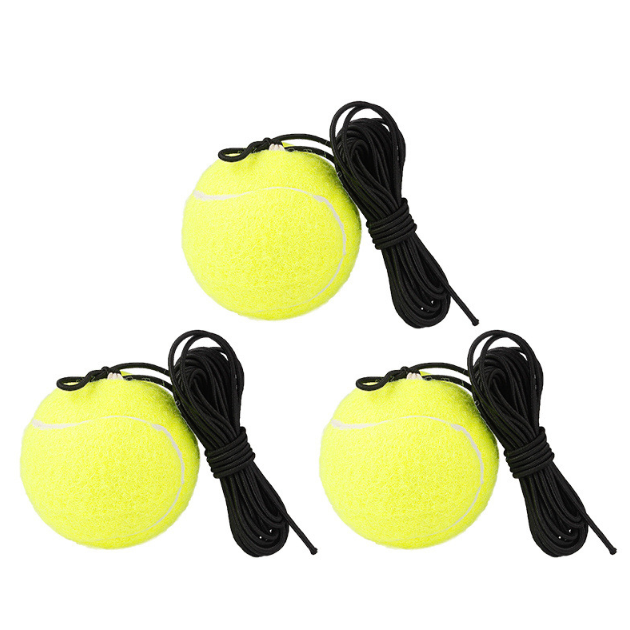
All court, regular duty and extra duty
Duty labels are practical descriptions of construction and intended surface, not a universal ranking. A comparison is most helpful when you know where the ball will spend most of its time.
- All court: a general-purpose choice intended for several surfaces. Check the maker's guidance because construction varies between models.
- Regular duty: typically uses less felt than an extra-duty ball and is often chosen for clay or other softer courts. It can wear more quickly on abrasive hard courts.
- Extra duty: generally has a more substantial felt covering intended to stand up to abrasive hard courts. The additional felt may feel different, and conditions can change how it plays.
These descriptions are tendencies rather than a guarantee of performance. A tennis ball marketed for all courts may also carry a duty designation; check both pieces of information. Clay can collect in the felt, while a rough hard court can abrade it. For a club that rotates between surfaces, buy a small quantity first and compare it with the usual surface-specific ball.
How bounce and wear affect the choice
Start with the playing surface
On a hard court, a tennis ball meets an abrasive surface repeatedly, particularly during long rallies and drills. A durable felt design may be worth considering if the cover wears quickly. On clay, players may favor a lighter-duty covering; a ball that picks up moisture or clay can feel heavier during play. A lawn court has its own interaction with bounce and moisture, so a surface recommendation should be tested in the conditions you actually encounter.
Do not judge by appearance alone. Open two fresh cans of comparable balls, alternate them in the same session and notice bounce, speed off the court and felt condition. Keep the court, players and time of day as similar as possible. This is an informal comparison, not a laboratory test, but it helps separate a useful choice from a packaging claim.
Pressurized and pressureless cores
A pressurized tennis ball relies in part on internal pressure for its playing characteristics and is commonly sold in a sealed can. Once opened, its feel can change as pressure escapes and the felt wears. A pressureless ball uses its construction rather than the same sealed-can pressure approach to provide bounce; its feel and useful life vary by model and use. For drills or a ball machine, compare both types rather than assuming they will feel identical.
Replace balls when they are noticeably softer, bounce inconsistently, show damaged seams or have lost too much felt for your purpose. There is no single replacement interval that fits every session: court texture, storage and playing intensity all matter. Store unopened cans as the manufacturer recommends and keep loose balls dry and protect them from excessive heat.
Does all court mean tournament approved?
No. The all-court phrase describes intended use, while approval depends on the particular ball and competition rules. The 2026 ITF Rules of Tennis set a mass of 56.0–59.4 grams and a diameter of 6.54–6.86 centimeters for a Type 2 ball; its specified rebound is 135–147 centimeters under the prescribed test conditions. Other ball types have their own specifications, so those figures are not a definition of every all-court product.
For an organized match, check the exact model against the current ITF approved-ball list and the event's requirements. A home bounce comparison can be useful for spotting a flat tennis ball, but it cannot establish formal compliance. Children’s low-compression training balls and high-altitude options also serve different needs; follow the relevant program or event guidance.
Keep tennis and padel equipment separate
Padel balls resemble tennis balls, but the sports have separate equipment requirements. If you also use a control padel racket, choose balls marked for padel when the session or competition calls for them; do not assume that an all-court tennis ball is interchangeable. Similarly, safety grip tape for floors or steps is not the same as a racket overgrip. Use the appropriate product for its intended surface and follow facility rules rather than applying floor tape to a racket or court without permission.
A quick buying checklist
- List your courts. If one surface dominates your schedule, compare a surface-specific option with the all-court tennis ball.
- Read the can. Check intended surfaces, core type and any approval information for the exact model.
- Match the activity. A casual hitting session, a high-volume practice basket and an organized match can call for different priorities.
- Test under similar conditions. Note the initial feel and how the felt and bounce change during play.
- Review before reordering. If the cover wears early on your hard court, try an extra-duty alternative; if clay buildup changes the feel, compare a regular-duty option.
An all-court tennis ball is useful when flexibility matters, but it remains a compromise rather than a universal specification. Choose by surface, verify the exact ball when rules apply, and let your own sessions decide whether its feel and wear suit your game.
 Hot News



