Walk into any traditional suburban racquet club on a Tuesday morning ten years ago, and half the hard courts sat completely empty while facility overhead costs ticked upward. Today, smart club operators are restriping those exact same footprints to fit four dedicated courts inside a single standard lawn tennis boundary, instantly quadrupling hourly player capacity. Understanding why pickleball sport expansion creates new business starts with recognizing how this spatial efficiency transforms unit economics for facility owners, coaches, and equipment retailers alike. Because the game features a shorter learning curve and multi-generational appeal, newcomers transition from first-time clinic attendees to three-times-a-week league competitors in a matter of weeks. Every new court installation triggers an immediate, compounding ripple effect across the local commercial ecosystem, generating steady demand for court booking software, certified coaching clinics, tournament hosting services, and specialized pickleball equipment. Rather than competing for a shrinking pool of legacy country club members, entrepreneurs are tapping into a high-frequency social sport where players actively upgrade their gear every six to twelve months.
Hard industry numbers confirm that this grassroots wave has evolved into a permanent structural shift across the global sporting goods landscape. Annual participation tracking from the Sports and Fitness Industry Association shows participation growing by more than two hundred percent over a three-year window in North America, while court construction trackers across Europe, Australia, and Southeast Asia report thousands of new municipal and private indoor venues breaking ground each quarter. This rapid pickleball sport expansion creates unprecedented B2B opportunities for regional distributors, hospitality resorts, and corporate wellness suppliers. Whenever a municipality converts a public park or an entrepreneur leases an industrial warehouse for atwelve-court indoor complex, they require immediate bulk shipments of portable net systems, court divider fences, rental paddles, and thousands of rotational-molded balls. Consequently, wholesale pickleball gear suppliers who establish reliable supply pipelines early can lock in recurring institutional contracts with schools, community centers, and commercial club chains long before saturated national brands even notice the territory.
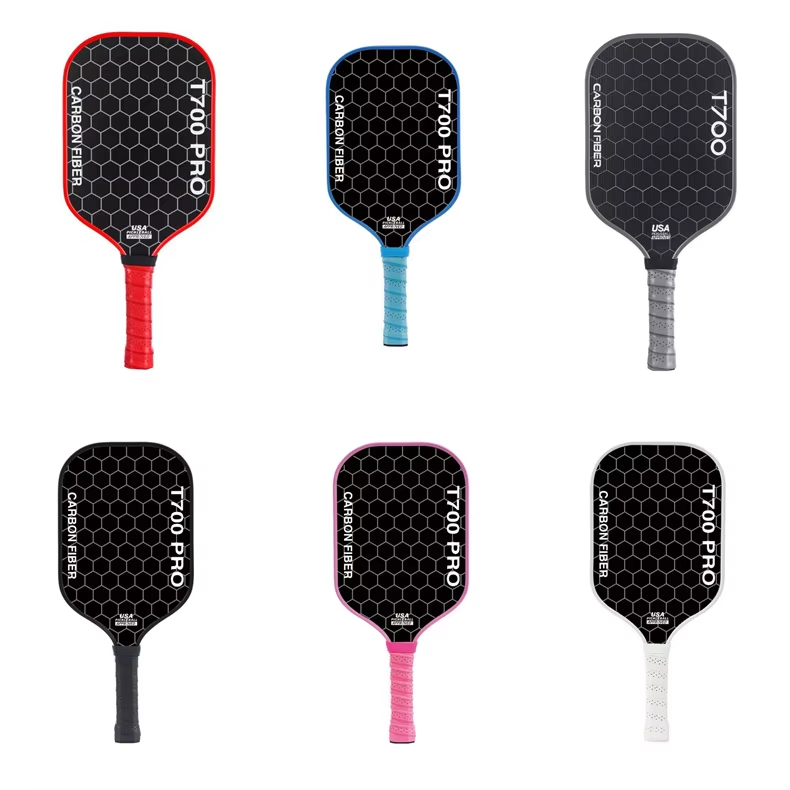
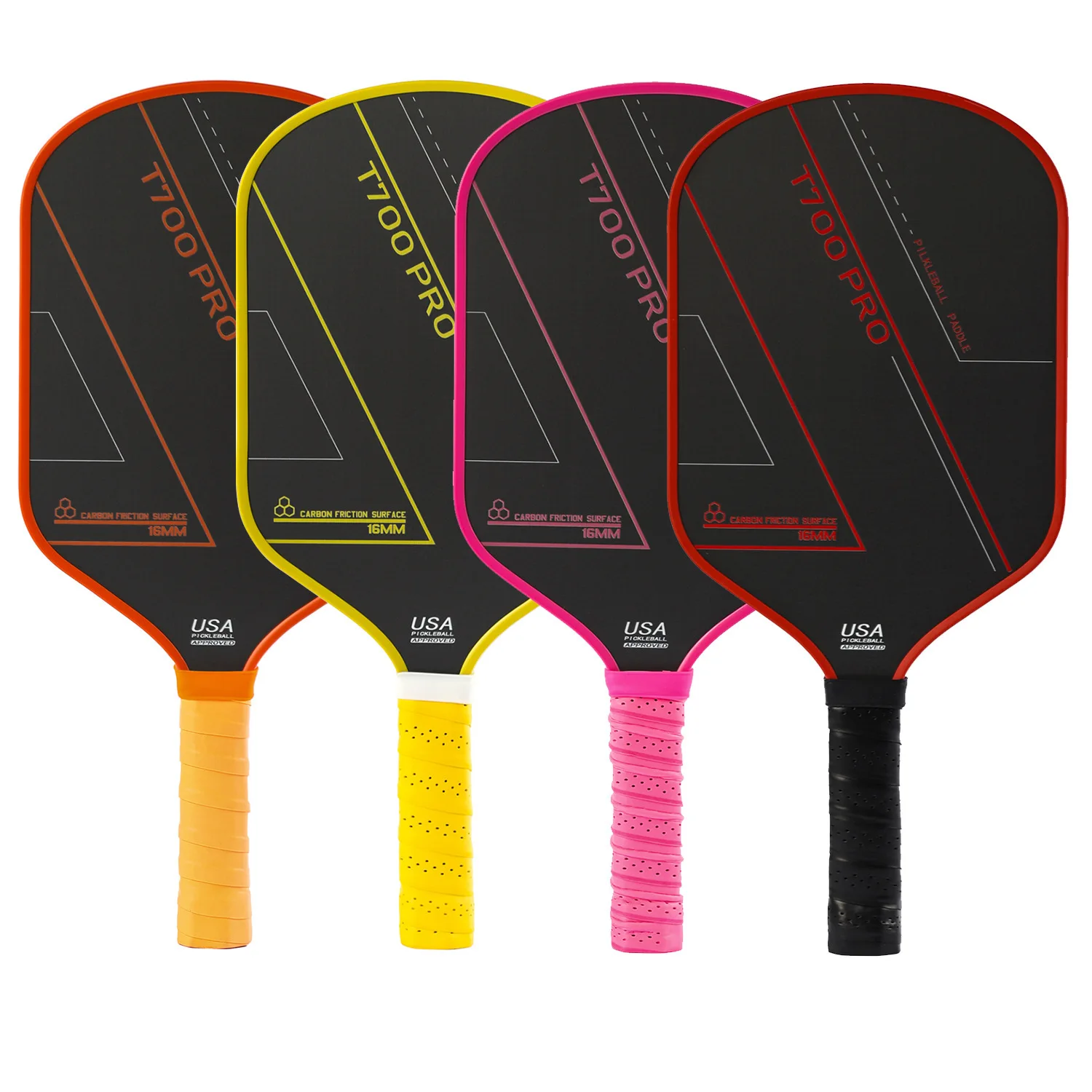
Capitalizing on pickleball business opportunities requires structuring a product catalog that mirrors the natural progression of an athlete's skill journey. A common mistake among new retail entrants is stocking only one price tier, which alienates either budget-conscious beginners or discerning tournament competitors. Profitable pickleball equipment assortments divide inventory into three distinct engineering categories. At the entry level, lightweight honeycomb polypropylene cores paired with UV-printed fiberglass faces provide effortless pop and vibrant aesthetics, making them ideal for family starter bundles and corporate gift packs. As players master kitchen dinking and third-shot drops, they inevitably seek out mid-to-high tier custom pickleball paddles built with thermoformed unibody construction, foam-injected perimeters, and raw T700 carbon fiber surfaces that maximize spin rate per minute. Finally, smart operators surround these core paddles with high-margin, fast-turning consumables—including seamless forty-hole outdoor balls, tacky replacement overgrips, serrated edge guard tapes, and moisture-wicking wristbands—ensuring that every single court visit generates repeat pro shop transactions.
Real-world financial data from commercial club launches illustrates just how lucratively hardware customization pairs with court operations. Two years ago, a hospitality investment group converted a forty-thousand-square-foot vacant retail box in the American Midwest into a fourteen-court indoor social club. Instead of filling their pro shop shelves with third-party retail labels that offered slim thirty-percent margins and fierce online price competition, the founders partnered with a composite manufacturer to launch an exclusive line of custom pickleball paddles, branded court bags, and high-visibility club balls. Every new annual membership package included a starter paddle from the club's private label collection, while advanced league winners received vouchers toward flagship sixteen-millimeter raw carbon models. Within twelve months of opening, private-label wholesale pickleball gear sales and demo-to-purchase upgrades accounted for sixty-four percent of the facility's non-court retail revenue, delivering gross margins above sixty-two percent while turning five hundred local members into walking billboards across regional tournaments.
While pickleball sport expansion lowers the barrier to customer acquisition, sustaining a reputable brand requires navigating strict technical compliance and quality assurance hurdles. Early gold-rush sellers who sourced unverified paddles from generic trading companies quickly faced waves of warranty returns caused by core crushing, edge guard delamination, and peeled surface grit after just three weeks of hard hitting. Protecting brand equity in competitive pickleball business opportunities demands partnering directly with an engineering-driven factory that understands USA Pickleball equipment standards. Regulation paddles must not exceed twenty-four inches in combined length and width, cannot surpass seventeen inches in total length, and must maintain surface roughness within strict star-reading and profilometer limits—specifically keeping average peak-to-valley roughness under thirty micrometers and kinetic friction coefficients below official thresholds. Auditing a supplier's ultrasonic core bonding, autoclave temperature logs, and batch weight tolerances before placing a bulk order prevents costly tournament disqualifications and safeguards distributor profit margins.
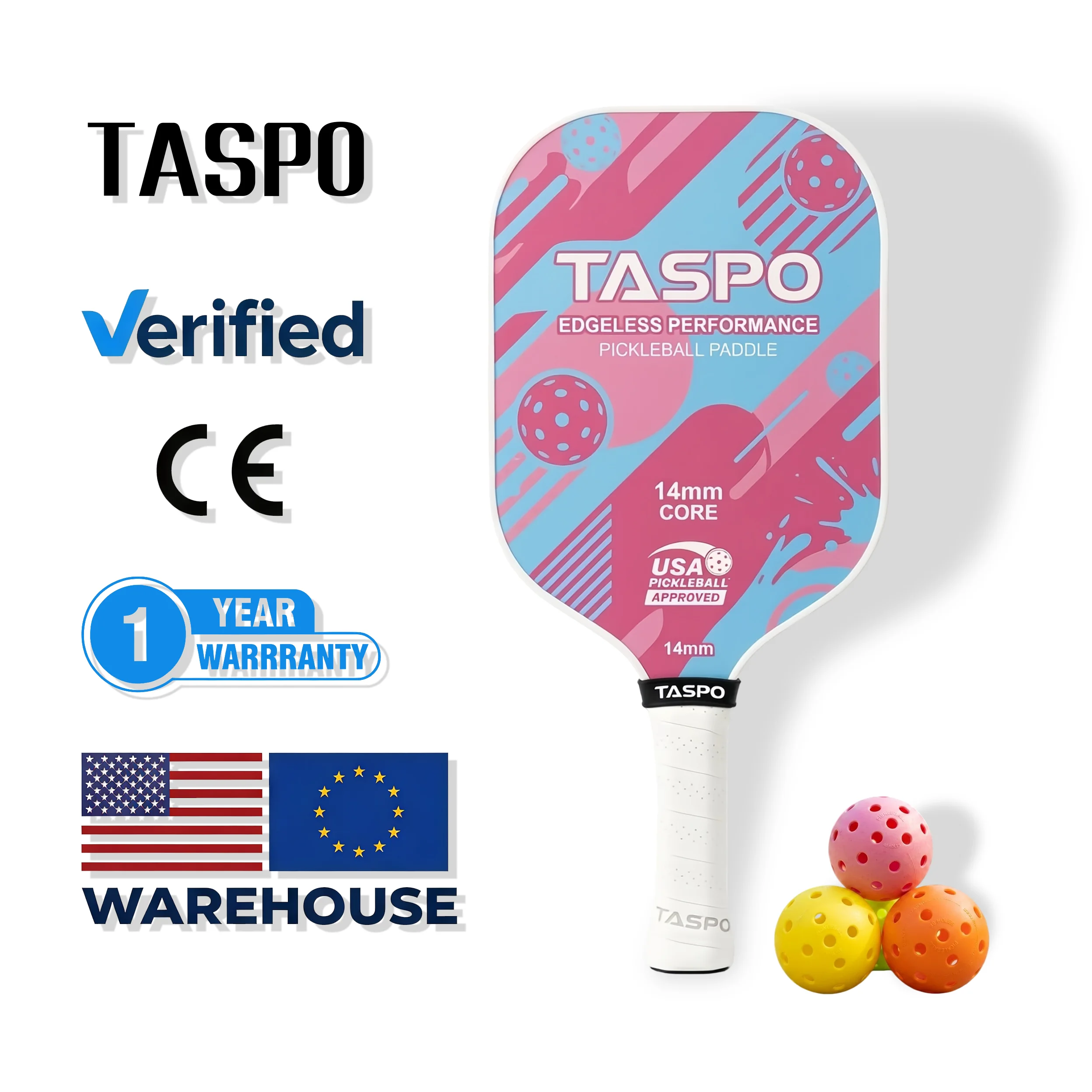
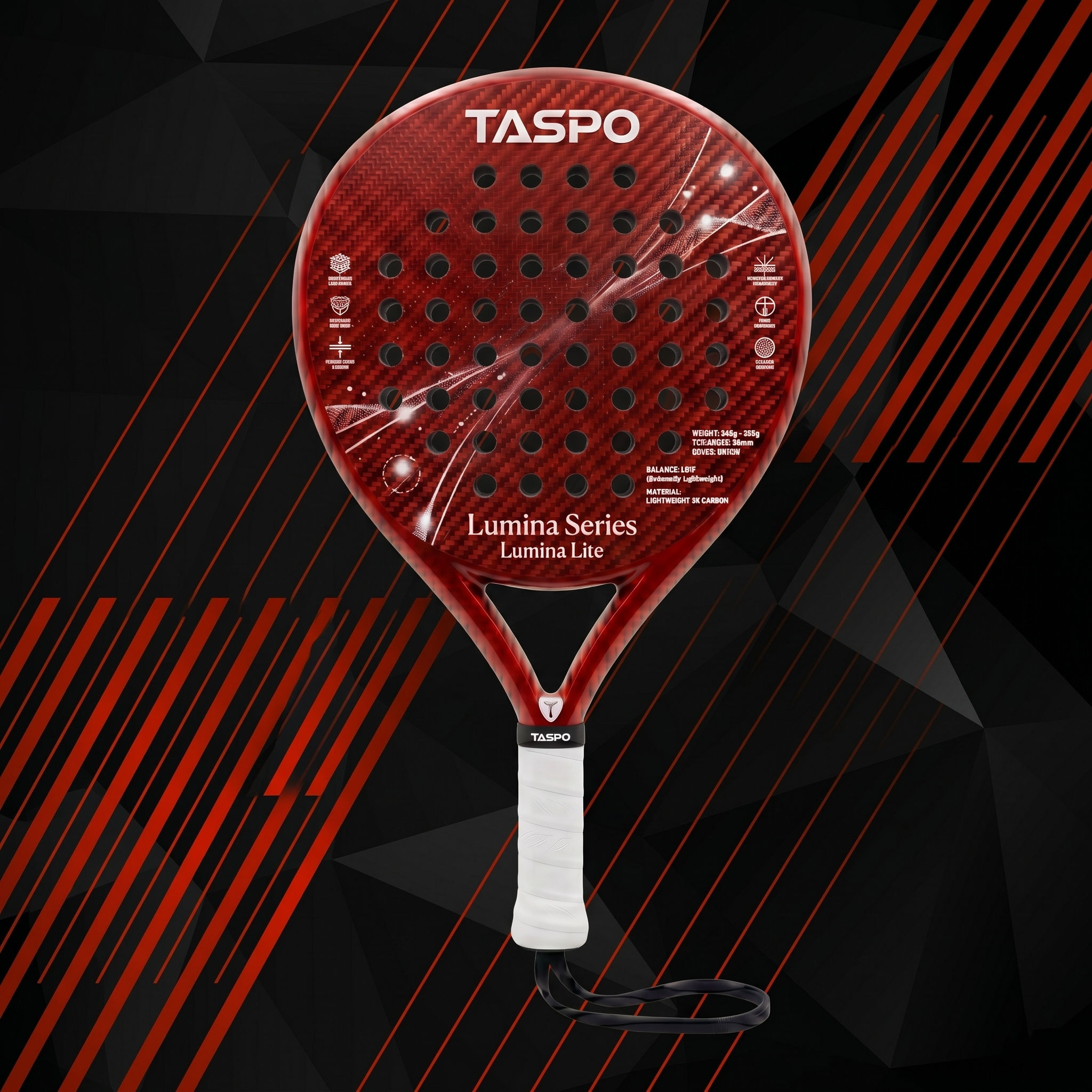
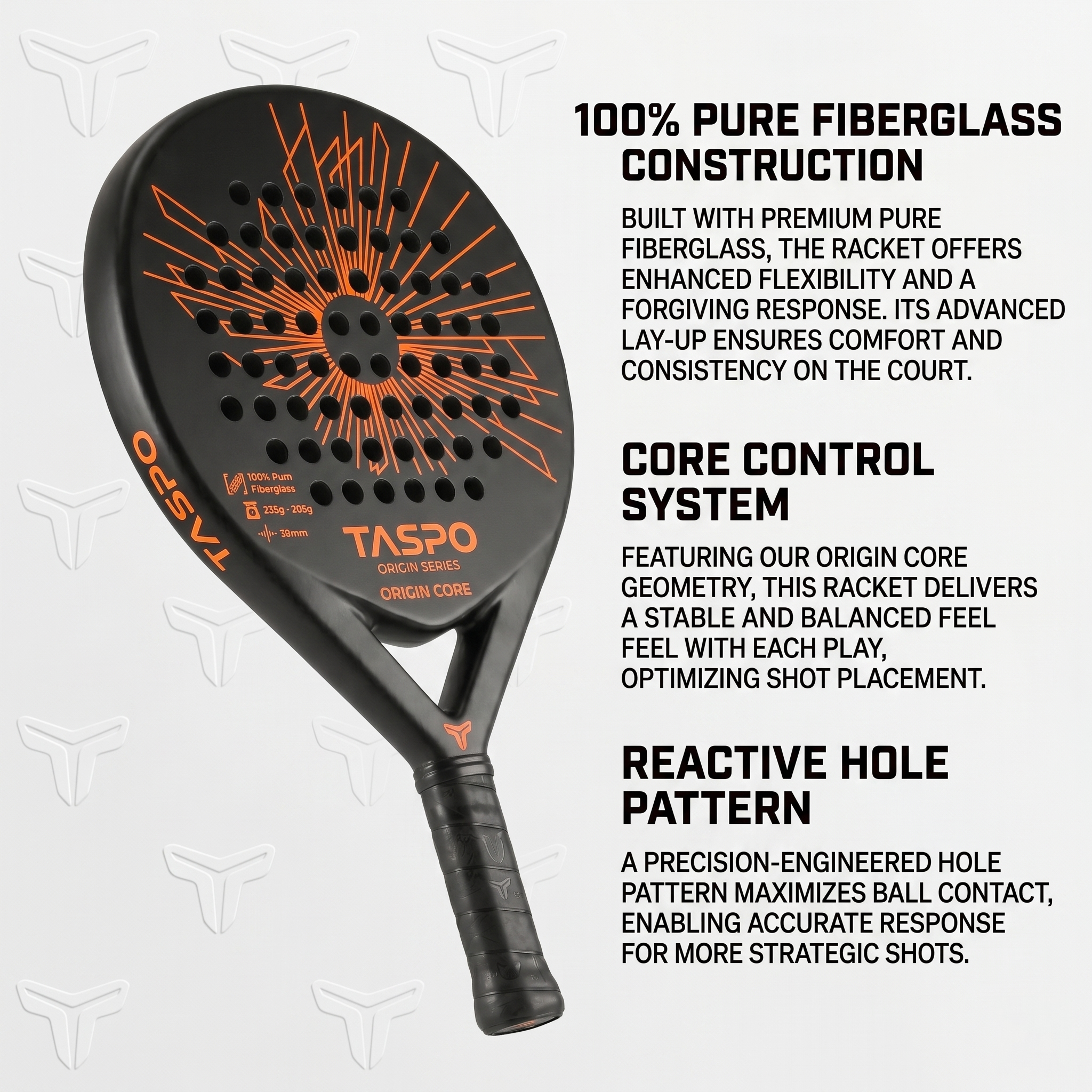
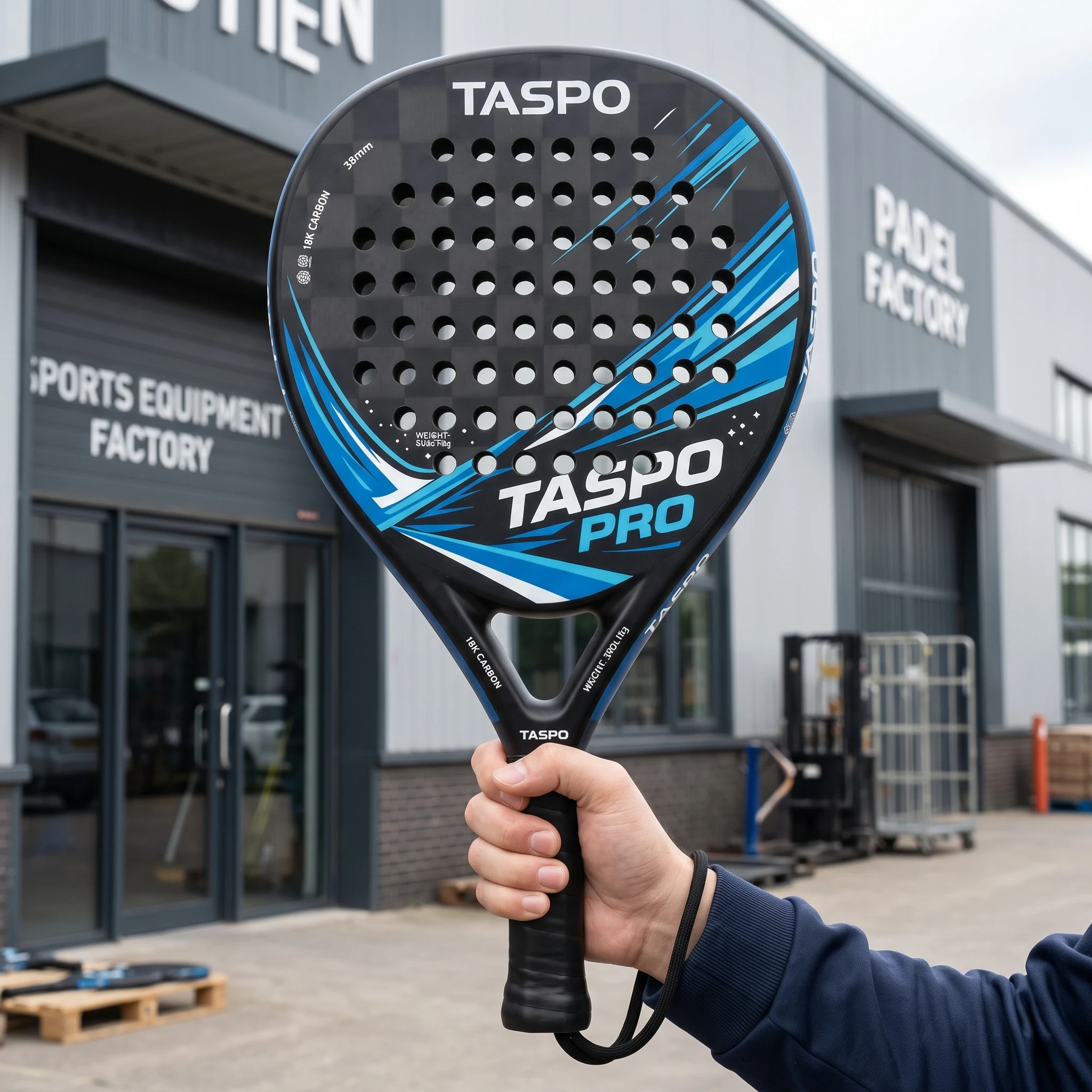
Turning surging court popularity into a resilient, high-margin sporting goods enterprise requires a manufacturing partner capable of scaling from initial concept to container-load delivery without compromising precision. Taspo stands at the forefront of the racket sports industry, operating self-owned standardized production bases supported by more than one hundred and thirty experienced composite engineers. Specializing in advanced carbon fiber prepreg layup, unibody thermoforming, resin transfer molding, and precision CNC machining, Taspo empowers entrepreneurs, club chains, and global distributors to capture new pickleball business opportunities with complete one-stop OEM and ODM services. Clients can develop proprietary custom pickleball paddles alongside seamless rotational-molded balls, portable nets, paddle edge tapes, overgrips, sweatbands, and custom bags under one roof. Every piece of wholesale pickleball gear leaving Taspo passes through seven rigorous quality inspection stages to guarantee structural durability and batch consistency. With custom prototypes ready in seven to fifteen working days and twenty-four-hour responsive support, Taspo provides the manufacturing foundation needed to build a market-leading sports brand.
 Hot News
2026-11-24
2026-11-24
2026-11-24
2026-11-24
2026-11-24
2026-11-24
 EN