 EN



Why ITF Approval Matters in International Tennis Ball Export
A buyer ordering a tennis ball for a tournament may ask a question that a retail catalogue cannot answer: is this exact model on the current International Tennis Federation (ITF) approved list? For an exporter, the answer affects the product description, the documents sent with the offer and the customer's choice of event. A supplier's general statement about quality is not the same as proof for a named ball.
ITF approval is a useful reference for tennis ball selection under the Rules of Tennis. It is not a customs clearance certificate, a promise about every shipment, or evidence that a particular factory's entire range is approved. The practical task is to connect the listed product to the item actually ordered.
What ITF approval tells a tennis ball buyer
The ITF publishes a list of approved balls and describes the test procedures used to assess them. Its 2026 technical booklet explains that balls approved for play under the Rules of Tennis must meet the specifications in Appendix I. It also describes testing of properties such as size, mass, rebound, deformation and durability. Those characteristics provide a common technical reference when buyers and suppliers discuss a tennis ball intended for regulated play.
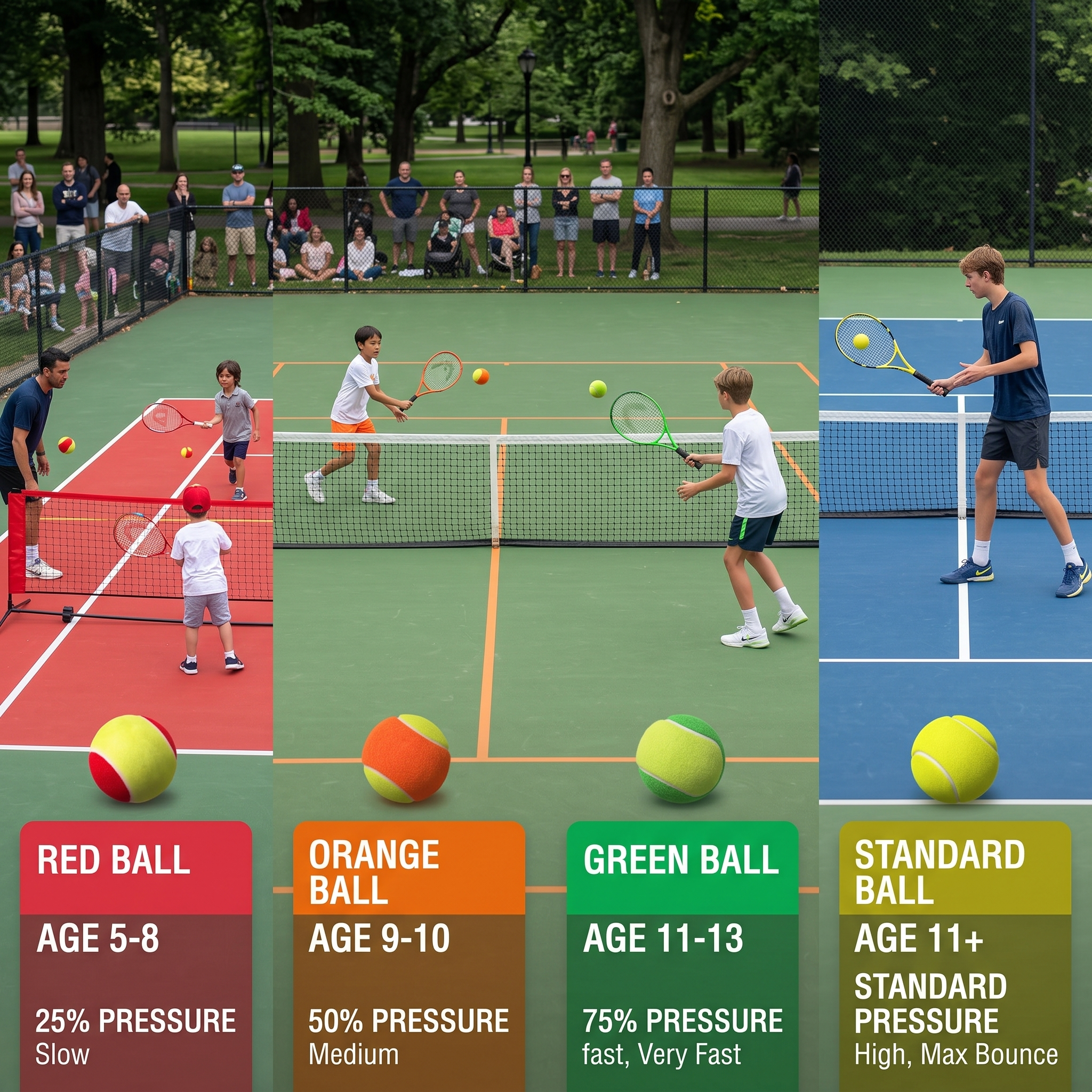
The test is not a general ranking of every tennis ball on the market. The type and intended use matter. The ITF's 2026 booklet identifies Type 1, Type 2, Type 3 and high-altitude balls, as well as Stage 1, 2 and 3 balls. A buyer should establish which type the organiser requires before comparing offers. An approved model designed for one context is not automatically the right choice for another.
Nor should an exporter describe an entire brand or production site as ITF approved simply because one tennis ball appears on the list. Approval must be verified against the specific listing and its current period. Ask the supplier to identify the relevant listing rather than relying on a logo in a catalogue.
Why the distinction matters across borders
In international trade, a product description passes through a purchasing team, an importer, a distributor and sometimes an event organiser. If each party uses a different name for the tennis ball, an approval claim can become hard to check. Matching the listing name, ball type and packaging to the quotation creates a clearer handover. It also gives the customer a reference for asking the organiser whether the proposed model meets the event's own rules.
That distinction matters most when a tender or sales contract explicitly calls for a listed tennis ball. An exporter can attach the current listing details to the offer, specify the model in the order and ask the buyer to confirm the intended use. If a listing cannot be matched, the approval claim should stay out of the proposal until it can be substantiated.
For recreational practice or promotions, a customer may have different priorities. Approval may not be a stated requirement, while price, visual design or packaging could be central to the brief. Ask the buyer rather than assuming every tennis ball must serve the same purpose.
How to verify the exact model before an order
Start with the official ITF approved-ball list for the relevant period, then compare it with documents for the proposed tennis ball. Keep a dated record of what was checked; lists and event requirements can change between quotation and delivery.
- Identify the ball. Ask for its full commercial name, brand, type and a clear image of the ball and packaging. Record any supplier model reference separately.
- Match the listing. Look for the exact listed name and category. If the supplier uses another name, request written clarification and supporting evidence rather than treating a similar name as a match.
- Check timing and use. Note the period covered by the list and ask the customer or organiser which rules apply on the planned event date.
- Compare the sample and order. Check whether the sample, artwork, packaging and commercial description correspond to the model presented for approval. Resolve differences before the purchase order is finalised.
- Record changes. If the specification, brand, mark or packaging changes later, ask the approval holder and, where appropriate, the ITF how the change affects the claim. Do not assume it remains covered.
A listing confirms what is listed; it does not independently verify the contents of every carton. Lot identification, agreed inspection procedures and shipment documents remain separate commercial controls. A buyer can agree those details with the supplier as part of the tennis ball order.
Custom printing needs a separate check
Brand owners may request custom printed felt tennis balls for events, coaching programmes or resale. Printing is a visual requirement, but it should be discussed alongside the tennis ball model, not in place of it. Ask where the artwork will appear, whether the ball or packaging will carry a different commercial name, and who can confirm the status of the finished configuration.
For custom logo tennis balls bulk orders, keep the approved sample, artwork version and purchase order connected to the same model reference. If the customer needs an ITF approval claim, obtain written clarification about that exact branded version from the relevant approval holder and consult the ITF when needed. A plain sample's status alone is not proof that any later modification is covered.
For promotional use, the buyer may choose a tennis ball without an approval requirement. Describe it accurately for that purpose and avoid presenting it as tournament eligible without evidence. This avoids mixing an artwork decision with a sporting claim.
Approval and export compliance are different workstreams
ITF approval concerns tennis ball specifications and listing for tennis. Import rules, labelling, product safety, shipping documentation and contract terms depend on the destination and the transaction. An approved tennis ball is not automatically cleared for import, and an importer should check local requirements with qualified parties. Likewise, passing a buyer's incoming inspection does not itself establish ITF approval.
Before dispatch, agree who will provide the invoice and packing list, which product description will appear on them, and how any lot reference will be recorded. Check that the purchase order, carton markings and supplier documents describe the same tennis ball. If the buyer needs additional documents, define them in the contract rather than assuming the ITF listing supplies them.
Questions to include in a supplier enquiry
- What is the exact tennis ball name and type, and does the current ITF list show that name?
- Which organisation holds the listing, and can it clarify the proposed branding or artwork?
- Do the sample, packaging and order description identify the same model?
- What lot references and inspection arrangements can both parties agree before shipment?
- Which event requirements and destination import documents must the buyer verify separately?
For a tennis ball export project, the strongest starting point is an exact product identity and a documented check, not a generic approval badge. Share the planned destination, use, quantities, required ball type and artwork with the supplier; then confirm the listing and the transaction documents before committing to the order.
 Hot News



