 EN



How Lightweight Design Enhances padel racket Control?
A lightweight padel racket can make quick adjustments easier, especially when a ball comes toward your body and there is little time to prepare. Less mass can make it easier to start, stop, or redirect a swing. That does not mean a lighter padel racket automatically places every shot more accurately. Balance, grip, impact position, and the player's technique all contribute to control.
When comparing designs, look beyond the number on a scale. A useful padel racket is one you can position consistently in the situations you actually play. Here is how to weigh those trade-offs on court.
What control means during a rally
Control is not a single specification. It includes getting the face into position, meeting the ball at a comfortable distance, and directing the return with a repeatable swing. At the net, a padel racket may need to change direction quickly between forehand and backhand volleys. Near the back glass, control can mean preparing early enough to play a compact shot after the rebound.
A lighter padel racket may help some players make those adjustments without feeling that the head lags behind the hand. However, it cannot replace footwork or turn an off-center strike into a precise one. Compare the same type of shot several times instead of deciding after one appealing volley.
Why mass and distribution change the feel
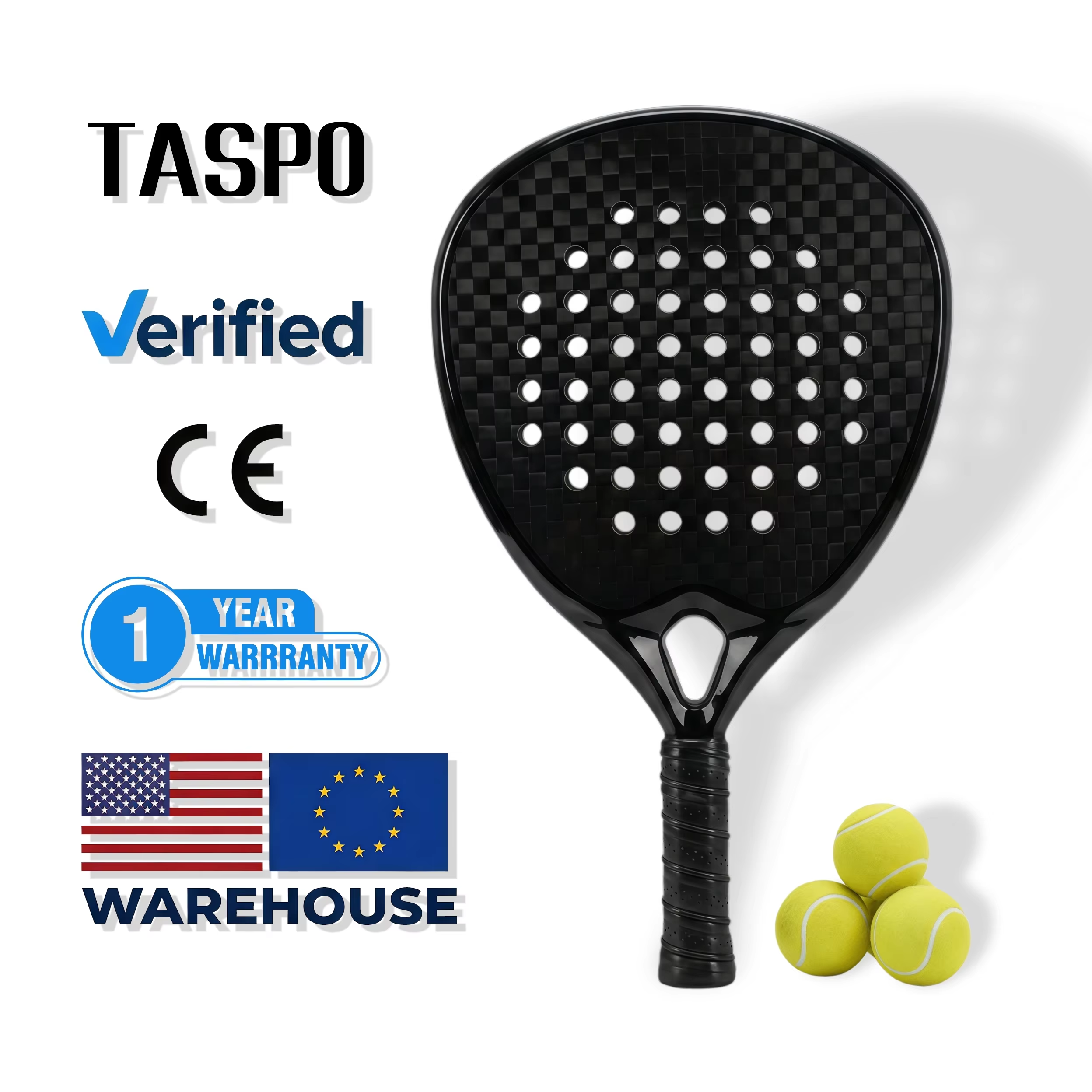
Static weight tells you the total mass of the padel racket, but it does not say where that mass sits. Balance describes the location of its center of mass along the frame. Two rackets of similar total weight can feel different if one carries more mass toward the head and the other carries more toward the handle.
A head-heavy padel racket can feel more demanding to rotate, even if it is light on a scale. A more handle-oriented balance may feel easier to reposition. Swing weight relates to resistance to rotation around an axis; it depends on the distribution of mass, not only the total. These terms are useful for narrowing a comparison, but specifications alone do not predict how a padel racket will feel in your hand.
Fast hands versus stability
Less mass can make a padel racket easier to accelerate and bring back to a ready position. In a quick exchange, that may leave more time to set the face. On the other hand, a very light frame can feel less steady when receiving a fast ball or hitting off center. The result depends on the whole design and how the player holds and swings it.
Extra mass can also contribute to momentum, but it is not a shortcut to placement. If a heavier padel racket makes you late, the added mass may be less useful than the ability to prepare on time. A balanced comparison considers both the timing of your preparation and the quality of contact.
Construction matters alongside weight
The frame, face, core, and shape all affect the way a padel racket feels. A softer or firmer response is not determined by mass alone, and the feel of one construction cannot be assumed from a material name. Ask for a specification sheet and test a sample rather than expecting a single fiber or foam label to deliver a particular result.
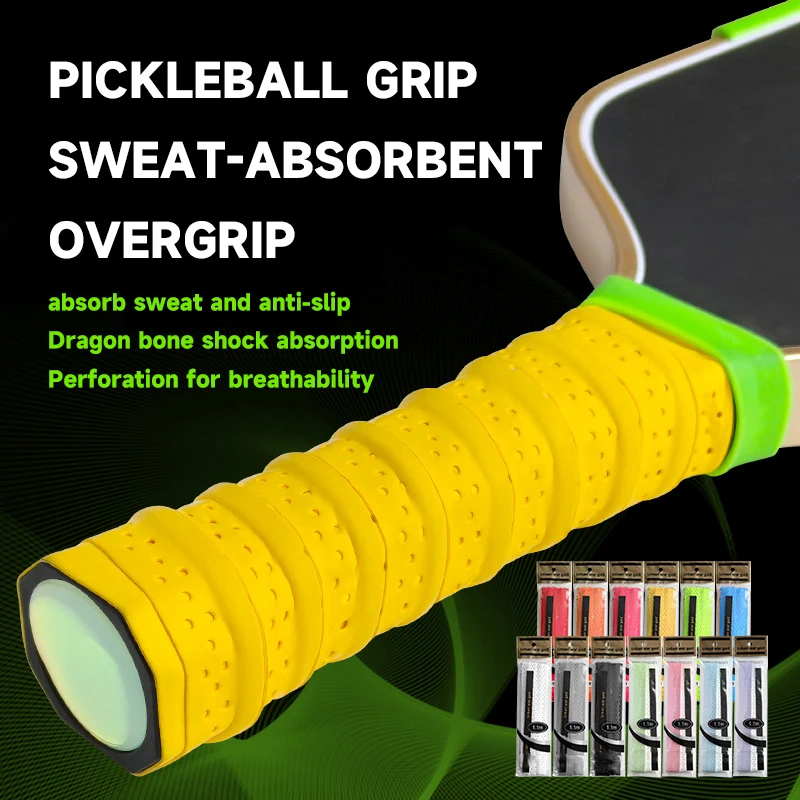
Shape can also influence mass distribution and the position of the effective hitting area. Treat a shape label as a starting point, not a promise about where every padel racket will balance. Grip size and any added overgrip can change how securely you hold the handle; added accessories also change the weight of the racket as played.
For competition, check the current rules that apply to your event. The International Padel Federation's rules specify a maximum racket thickness of 38 mm. That dimension is a rule limit, not a recommendation that every padel racket should have the same feel, and it does not establish compliance for any particular model.
A practical on-court comparison
Choose two candidates with documented weights and balance points. If possible, keep grip build-up and accessories similar, then record the actual setup. The point is not to isolate every design variable perfectly; it is to avoid attributing every difference to weight when the two rackets also differ in shape or construction.
- Start with the ready position. Move each padel racket between forehand and backhand positions without a ball. Notice whether you can stop the face where you intend without tightening your grip.
- Hit controlled volleys. Ask a partner to feed comparable balls. Alternate sides and note whether contact feels early, late, or settled. Repeat with both rackets rather than switching after a single shot.
- Try defensive returns. Use a comfortable pace and include balls rebounding from the glass. Observe whether the padel racket is easy to bring into position while you move your feet.
- Test an overhead and a slower placement shot. A design that is agile at the net may feel different on a longer swing. Assess whether you can direct the ball without forcing the motion.
- Repeat after a period of play. Note changes in timing and grip tension. Stop if discomfort develops; persistent pain is a reason to seek appropriate professional advice rather than relying on equipment alone.
Keep a simple record of what happened: which shots felt late, which contacts were solid, and whether the padel racket was easy to return to the ready position. These observations describe your experience; they are not laboratory measurements. If the results are close, use another session before making a decision.
Who might prefer a lighter option?
A player who finds a padel racket difficult to reposition may want to test a lighter or more handle-balanced design. This can be relevant for newcomers building their preparation habits, or for players who favor fast exchanges. It is still worth testing a moderate-weight alternative: a little more mass may provide a steadier feel without making the swing feel slow.
Players who value a solid response on powerful incoming shots may prefer a different balance. Likewise, a padel racket that feels quick in a shop may feel less settled during repeated volleys. There is no universal ideal weight; strength, experience, grip, and playing style all influence the choice.
Questions to ask before choosing
For a team, retailer, or brand evaluating samples, write down the intended user and the situations in which control matters. Request the padel racket's stated weight range, balance measurement, construction details, and measurement conditions. Ask whether the stated figure includes the grip and other accessories, then check representative samples in their actual playing configuration.
Compare feedback across more than one player and keep each setup consistent. If a padel racket is being considered for a competition-oriented range, verify current event rules and the individual product's specifications separately. Do not use a broad category description as proof of a model's performance or approval.
Lightweight design can support control when it helps a player place the padel racket on time and recover between shots. The useful choice is the one that combines manageable movement with enough stability for the player's usual pace. Test both sides of that trade-off before deciding.
 Hot News



