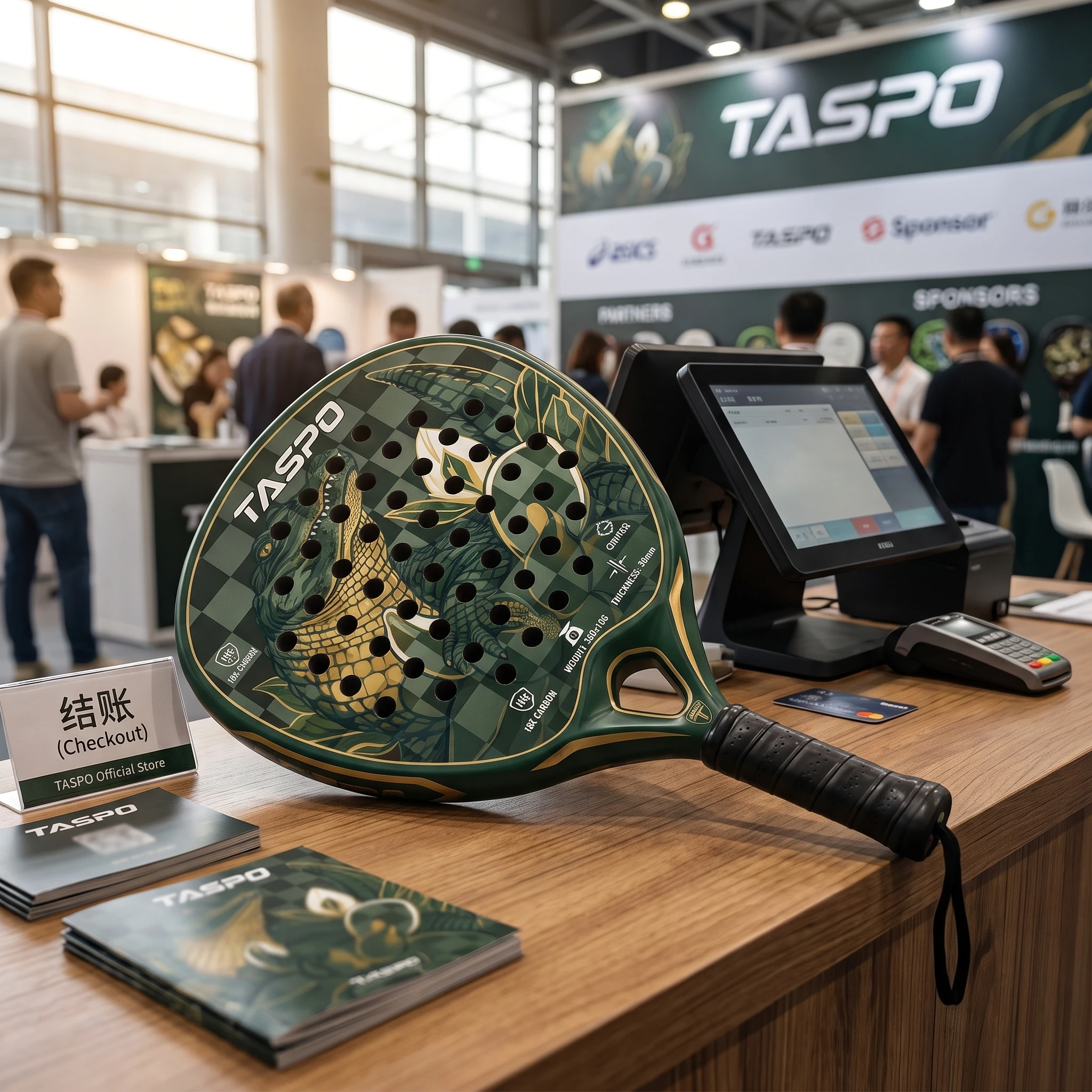
Launching a competitive racket collection in fast-moving European or Latin American markets presents a daunting financial hurdle for growing sports brands. Commissioning a brand-new steel or aircraft-aluminum cavity mold from scratch, running finite element structural simulations, and testing multiple prototype iterations on court can easily tie up tens of thousands of dollars and delay a product launch by six to nine months. By the time a slow-moving brand finally approves its tooling, player preferences around balance points or surface textures have already shifted. Understanding how ODM padel racket solutions deliver innovation allows athletic labels and regional distributors to bypass heavy upfront tooling capital while still bringing genuinely differentiated hardware to market. Through Original Design Manufacturing, brands leverage a factory's continuously updated library of pre-engineered molds and composite layup recipes, customizing internal physics and exterior aesthetics to launch cutting-edge collections at breakneck speed.
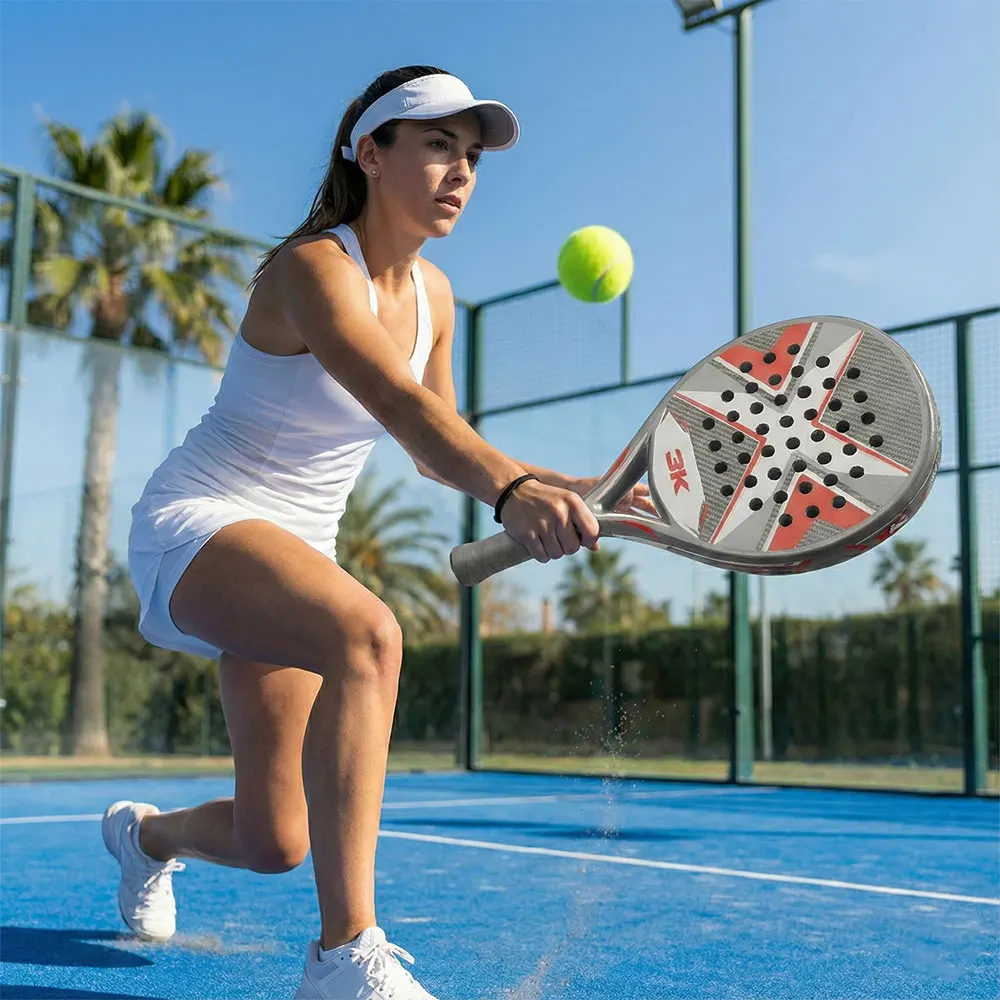
The technical pace of modern padel equipment leaves zero room for outdated fiberglass builds in premium retail tiers. Today's tournament and club players actively seek out advanced material combinations that deliver explosive overhead power without triggering lateral elbow strain. Leading ODM padel racket engineering teams stay ahead of this curve by pre-validating next-generation composite architectures. On the hitting surface, designers can choose between responsive 3K plain-weave graphite, aluminized 12K twill, or ultra-stiff 18K and 24K spread-tow carbon fiber padel racket faces laid up at forty-five-degree bias angles. Inside the thirty-eight-millimeter beam, single-density foam is rapidly giving way to multi-layer sandwich cores that pair stiff outer EVA skins with a soft memory-foam center, giving players high-speed smash rebound alongside gentle control on slow defensive blocks. Meanwhile, aerodynamic throat bridges featuring integrated carbon-kevlar struts and elastomer dampeners filter out harsh high-frequency vibrations before they reach the handle.
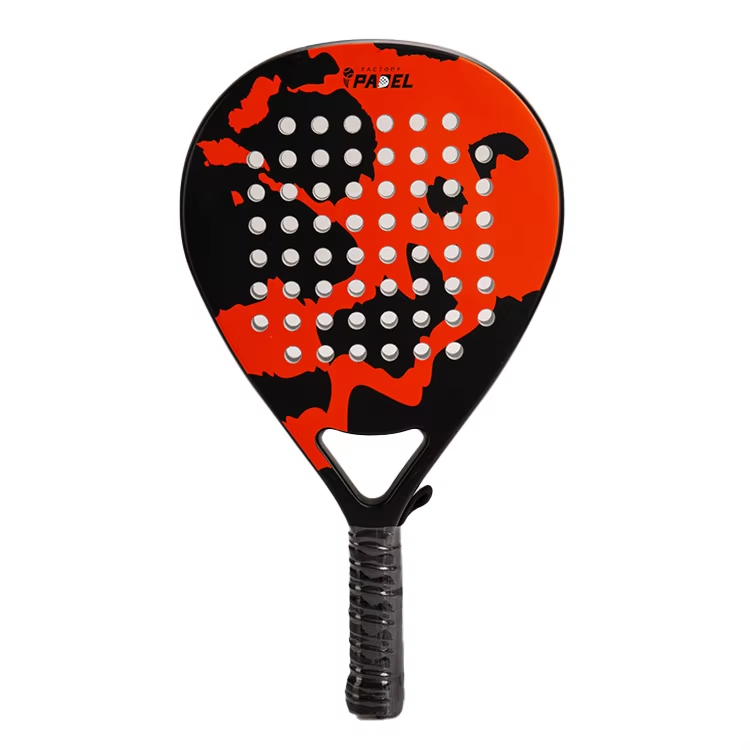
Many first-time equipment buyers confuse basic white-label catalog sourcing with true ODM padel racket engineering. In a basic white-label arrangement, a trader sells the exact same pre-made stock frame to twenty different buyers, changing only the water-transfer decal on the face; every competitor ends up with identical weight, balance, and dead-feeling fiberglass layups. By contrast, a true custom padel racket ODM program treats the physical mold silhouette—whether round, teardrop, or diamond—as a modular chassis that can be completely re-engineered inside. Brand managers work directly with composite technicians to specify exact gram weights between three hundred and fifty-five and three hundred and seventy grams, shift balance points between two hundred and fifty-five and two hundred and seventy millimeters, and customize asymmetric CNC hole-drilling matrices that expand the sweet spot. Adding proprietary 3D molded hex-grit or quartz-sand spin coatings ensures the finished custom padel racket plays and feels unlike anything else in the pro shop.
Real-world commercial launches demonstrate how agile ODM partnerships translate directly into retail market share. Last autumn, an emerging racket sports label operating across Spain and Sweden needed to unveil a flagship three-model collection ahead of the winter indoor league season, leaving them just seven weeks from initial concept to warehouse delivery. Rather than waiting months to machine custom aluminum molds, the founders tapped into an ODM padel racket engineering program. They selected three aerodynamic bridge molds—a round defensive frame, a teardrop all-court build, and a diamond power bat—and customized them with exposed 18K diagonal carbon weaves, medium-hard Black EVA cores, and 3D embossed geometric spin surfaces paired with anti-vibration octagon handles. Functional prototypes arrived on court in twelve days, and mass production shipped right on schedule. Within ninety days of launch, the brand achieved an eighty-six percent sell-through rate across thirty-two partner clubs, outperforming established competitors at half the R&D cost.
Delivering genuine innovation on court means nothing if a carbon face cracks down the middle during a winter match or the frame warps inside a hot car trunk. A trustworthy padel racket manufacturer backs up creative ODM design with industrial-grade composite curing and destructive quality control. Advanced facilities replace messy hand-brushed wet epoxy with precision Resin Transfer Molding and high-pressure autoclave prepreg curing. By consolidating multi-layer carbon fiber padel racket layups under vacuum pressure and computer-controlled thermal cycles, engineers eliminate microscopic air voids between the tubular frame and the EVA core. Before any new ODM specification enters volume production, laboratory technicians mount sample frames onto pneumatic cannon rigs that fire pressurized balls at one hundred and forty kilometers per hour across five thousand impact cycles, alongside three-point frame crush tests and UV topcoat adhesion checks, guaranteeing tournament-ready durability.
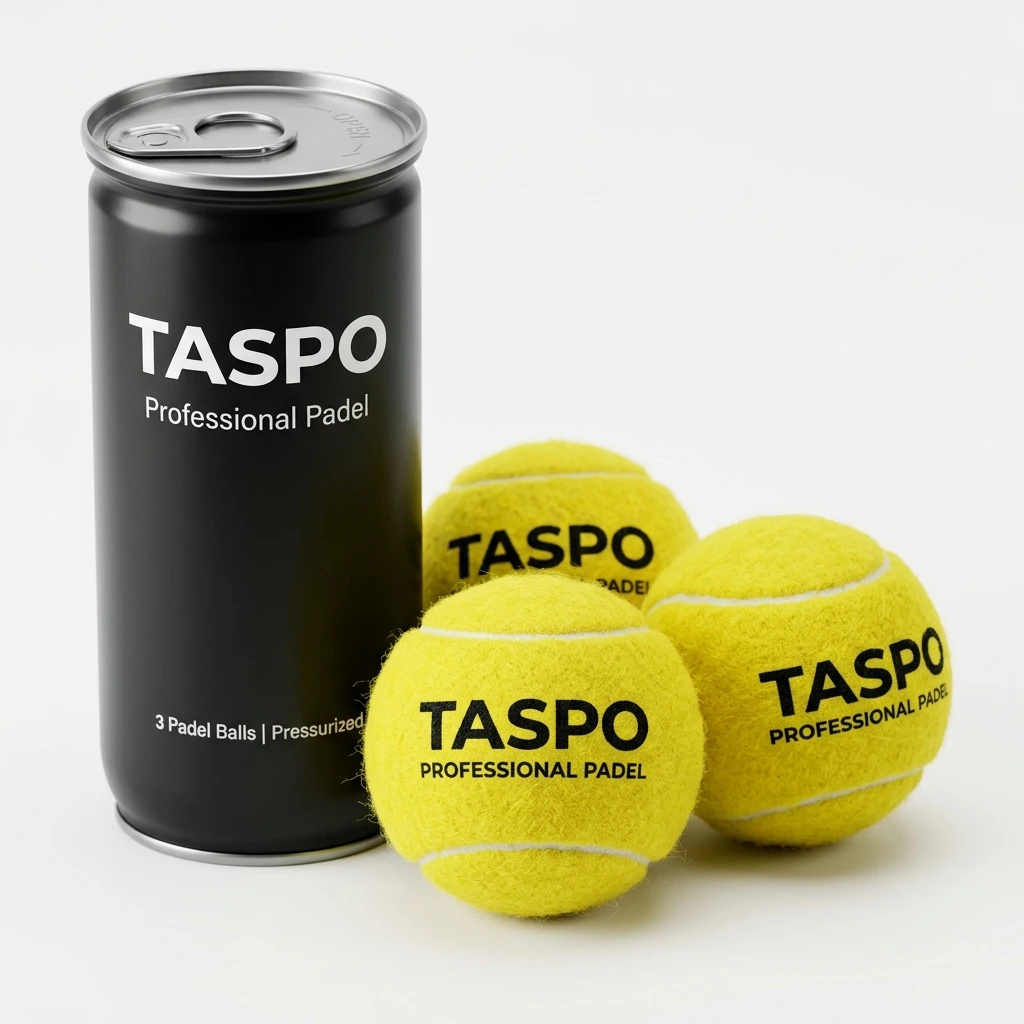
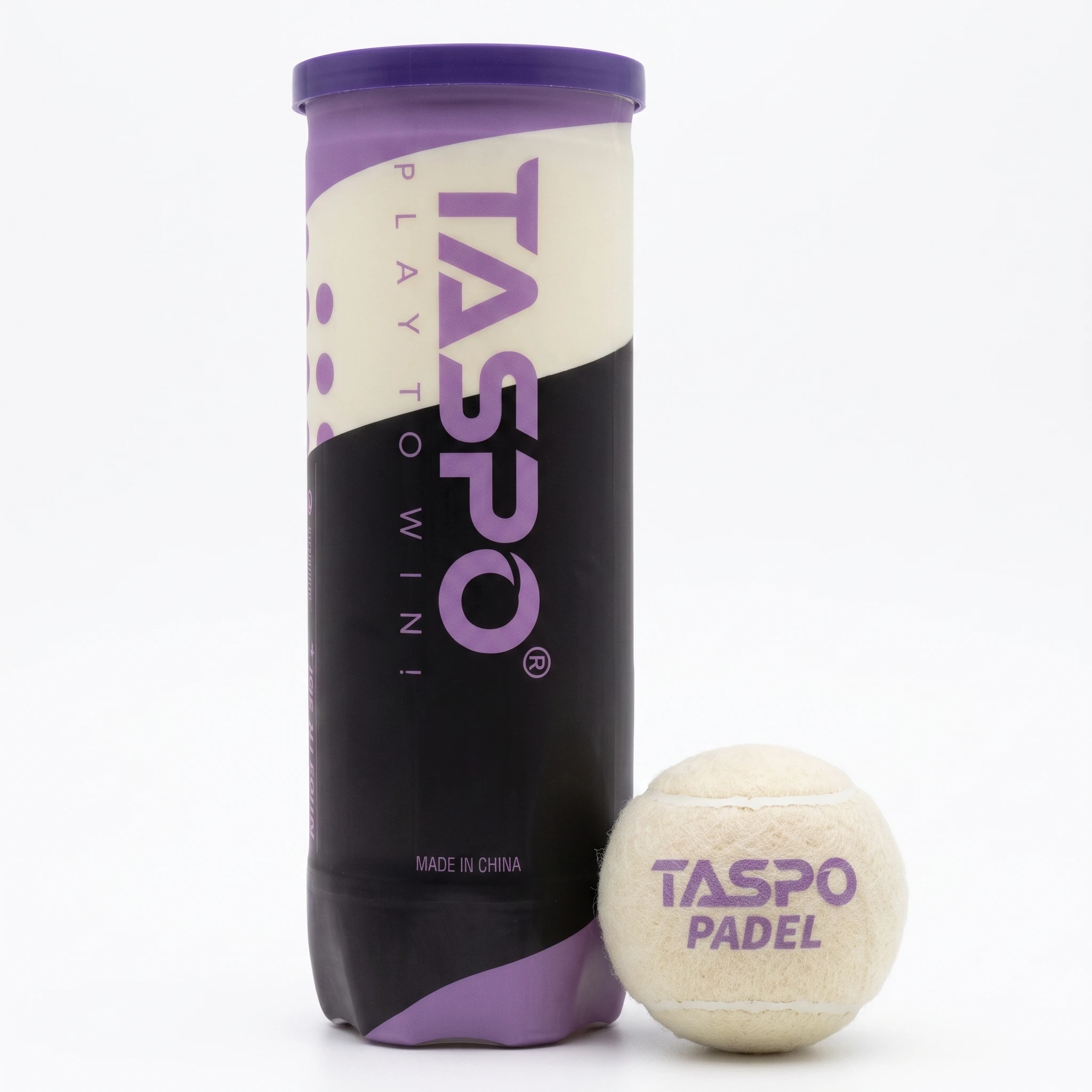
Turning ambitious product concepts into high-margin, court-dominating reality requires a manufacturing partner equipped with deep composite R&D talent and standardized production scale. Taspo stands out as a premier B2B padel racket manufacturer backed by over one hundred and thirty experienced engineers and self-owned standardized production bases. Specializing in advanced carbon fiber prepreg autoclave curing, resin transfer molding, and precision 3D CNC machining, Taspo empowers global sports brands, club chains, and distributors with comprehensive one-stop ODM padel racket and OEM solutions. Partners can customize round, teardrop, and diamond molds across 3K, 12K, and 18K carbon weaves, multi-density EVA cores, 3D spin textures, and custom anti-vibration handles, alongside matching pressurized padel balls, tacky overgrips, sweatbands, and thermal court bags. Every custom padel racket leaving Taspo passes through seven rigorous quality inspection gates verifying weight tolerance, balance precision, and structural fatigue resistance. With custom prototypes ready in seven to fifteen working days and twenty-four-hour engineering support, Taspo drives continuous brand innovation.
 Hot News
2026-11-20
2026-11-20
2026-11-20
2026-11-20
2026-11-20
2026-11-20
 EN