 EN



Retail Chain Increases Sales with Premium padel ball
Illustrative scenario: The headline describes a hypothetical retail opportunity, not a documented customer or verified sales increase. No sales results have been supplied. This article shows how a chain could evaluate whether a premium padel ball range deserves more shelf space and how it could measure the outcome.
A shopper reaching for a padel ball may see several cans that look much alike. The buyer, meanwhile, has to decide which options should have a place across stores with different customers. Price alone is a poor shortcut: the retailer also needs product information its staff can explain, a supply plan it can check, and a way to see whether shoppers actually return.
The retail question behind the shelf
Imagine a sporting goods chain considering a premium padel ball alongside its existing range. Some stores serve occasional players looking for a convenient purchase; others are close to clubs where regular players may have stronger preferences. The chain does not yet know whether a higher-priced option will sell consistently, or whether its perceived value will justify the space.
The starting point is not a promised uplift. It is a question: can the new padel ball help the retailer serve a defined customer need while meeting its own margin and stock requirements? A clear answer requires a trial and comparable records, not a supplier's description alone.

Define what premium means before ordering
For a buyer, premium should describe evidence and positioning rather than act as a performance guarantee. Ask each supplier for the padel ball specification, packaging details, intended playing conditions, batch identification and any available test documentation. Check which statements apply to the exact item offered, and which are general marketing language.
A useful comparison includes how the ball feels to the target player, its initial bounce, felt appearance and package condition. Those observations are not interchangeable. A sample that looks good on a shelf still needs an appropriate on-court assessment, while a satisfying trial does not establish how every later batch will perform.
Use rules as a reference, not a product claim
The International Padel Federation's rules describe a new ball bouncing between 135 and 145 cm when dropped from 2.54 m onto a hard surface. That is a reference for the rule's test conditions, not proof that any particular padel ball has passed a test or is approved for a competition. Retailers should ask for current documentation and check the rules applicable to their market or event.
Where a claim cannot be verified, leave it off the shelf label. A clear label showing intended use and pack contents is more useful than an unsupported performance promise.
Plan a practical store trial
A hypothetical chain could start by selecting comparable stores, documenting their existing padel ball assortment and recording the same measures before and during the trial. Stores should represent relevant differences, such as proximity to playing facilities and typical customer mix. Note any changes to price, display location or promotion, since each can influence results.
Before the first delivery, agree who will review inventory and how often. Keep the test product identifiable in the sales system so the team can compare units sold, selling price and stock availability with the existing range. A store that runs out cannot show demand reliably; a store receiving a prominent new display is not directly comparable to one where the product remains hidden.
Choose measures that answer the decision
- Sales and margin: track units, net revenue and gross margin after known discounts. Compare the trial period with a relevant baseline and record differences in store conditions.
- Availability: record deliveries, shelf stock and out-of-stock periods. Separate a supply issue from weak customer interest.
- Customer response: collect consistent, voluntary feedback about intended use, perceived value and the clarity of the shelf description.
- Returns and complaints: classify concerns by product, packaging and date; investigate patterns before drawing conclusions about quality.
These measures describe a proposed evaluation, not results from an actual padel ball project. A comparison group or staggered rollout may help isolate the effect of the range, but even then seasonal demand and local events can complicate interpretation.
Make the range easy to understand
Put the basic differences where shoppers can see them: number of balls per pack, intended use as stated by the supplier, and the verified price. Train staff to ask how often the player plays and whether the purchase is for casual practice or a particular event. They can then explain what is known about each padel ball without claiming that one option suits everyone.
More options are not automatically better. If shelf space is tight, a retailer may prefer a smaller assortment with clear distinctions. If local demand varies considerably, individual stores may need a different mix. Either decision should follow the records collected during the trial rather than an assumption about all players.
Package handling matters too. Ask suppliers how sealed stock should be stored and inspect deliveries for damage. Avoid presenting an opened or damaged can as equivalent to a sealed one without confirming its condition and applicable store policy. Staff should know how to report a packaging concern instead of making an unverified claim about performance.
Decide what the evidence supports
After the agreed review period, the buyer can compare padel ball sales, margin and availability across the participating stores. If the premium option sells but displaces an existing item, assess the category as a whole rather than reporting the new item's sales as incremental growth. If the product performs differently by location, examine the local context before extending the range.
For any future case study, retain dated sales records, the comparison method, price and promotion history, and written permission to identify the customer. Only then can a retailer make a substantiated statement about a sales increase. Without those materials, this remains a planning example, not a success story.
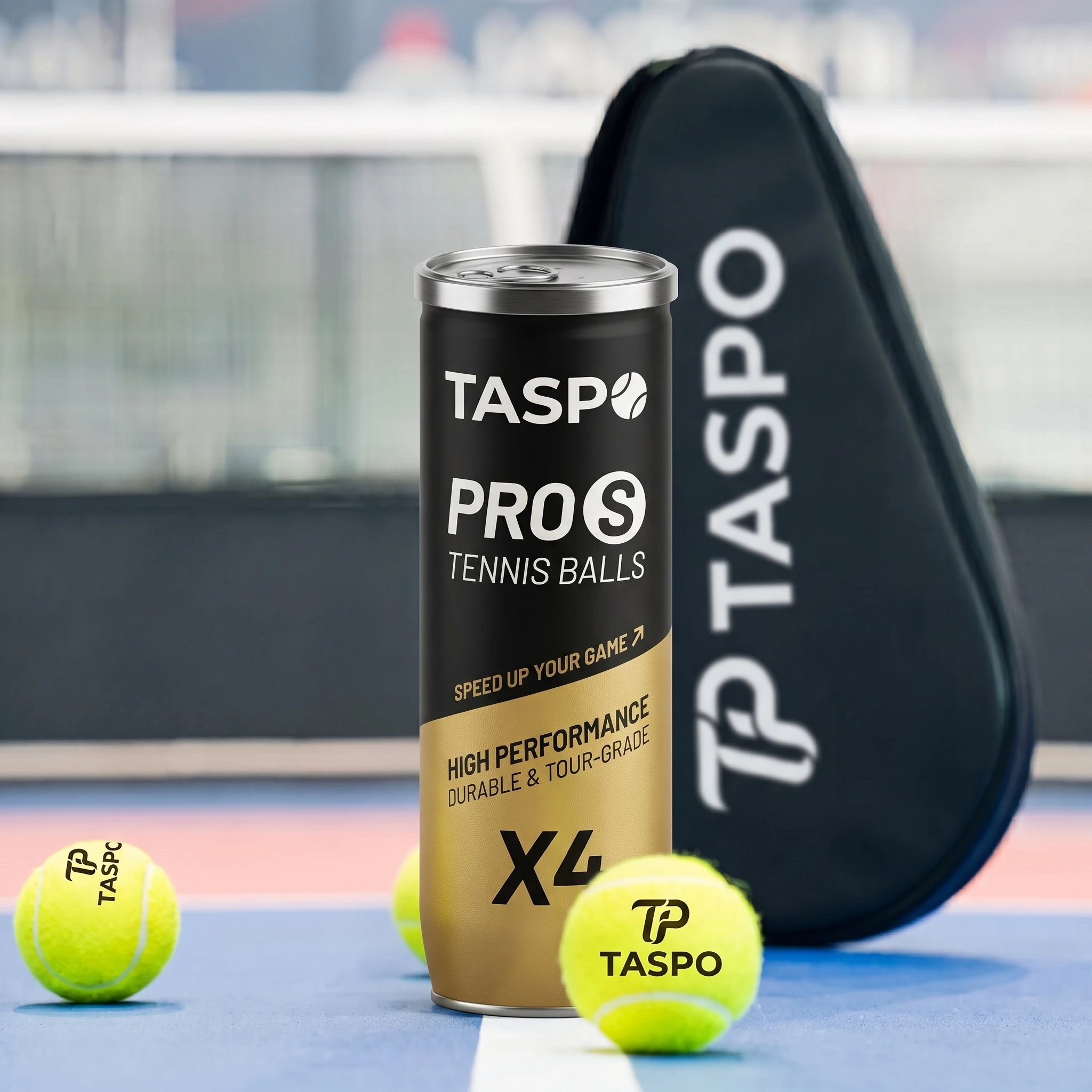
Retail buyers preparing a padel ball inquiry can assemble their target audience, expected order requirements, sample questions and evidence checklist first. For general company information, visit Taspo Sports; product availability and any specific ball specifications should be confirmed directly before ordering.
 Hot News



