 EN



Why Certified Padel Ball Selections Appeal to Clubs
A club buying a padel ball is not just filling a storage cupboard. It is choosing what players will feel during coaching sessions, social matches and, potentially, a scheduled competition. A recognized approval can make that decision easier to explain, especially when several people share responsibility for ordering and event preparation.
Approval is a useful starting point, not a promise that every ball will suit every session. The practical question is whether a particular model meets the rules for the intended event, plays acceptably on the club’s courts and can be replenished when needed. Treat those as separate checks rather than assuming one label answers them all.
What a certified padel ball actually tells a club
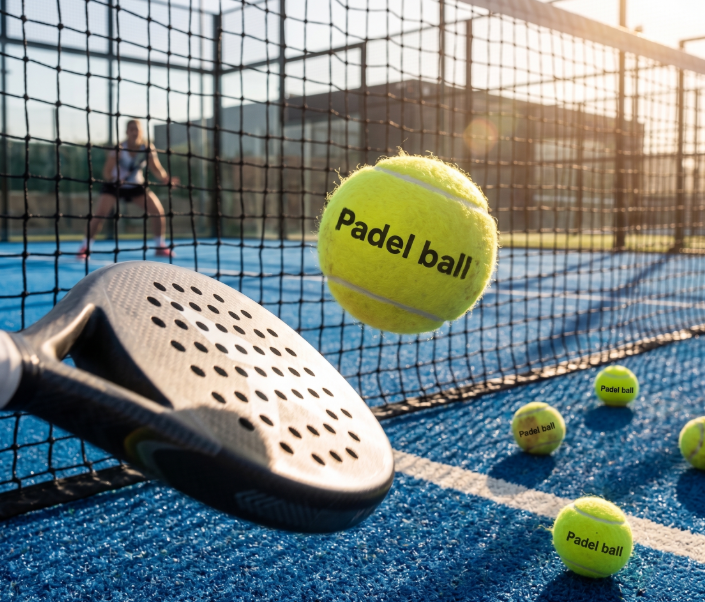
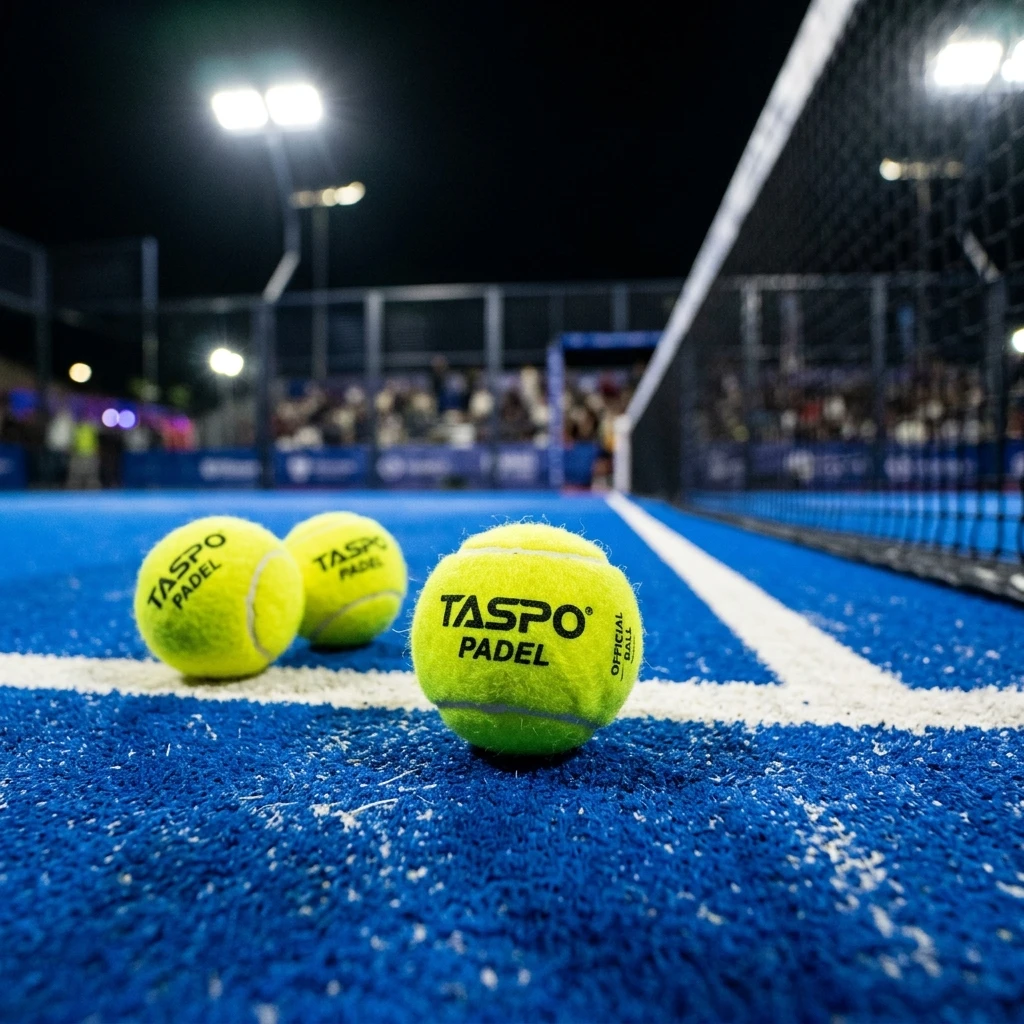
For official competitions, the International Padel Federation (FIP) rules specify balls approved by the federation. The rules describe a ball with a diameter of 6.35–6.77 cm and a weight of 56.0–59.4 g. They also specify that a new ball should bounce between 135 and 145 cm when dropped from 2.54 m onto a hard surface. The rules provide for another type of ball at altitudes above 1,000 m, with a different bounce range.
These figures provide a common reference for a padel ball, but dimensions on a sales sheet do not by themselves establish approval. A supplier’s phrase such as “competition quality” is not the same as a current approval for a named model. Likewise, a practice bounce in the clubhouse is a useful comparison between samples, not an official laboratory test.
Before ordering for a sanctioned event, identify the organizing body and check its current rules and approval information. Ask the supplier for the exact brand, model, relevant approval and supporting documentation, then check that the packaging and delivered product match. Some events may specify a particular ball or sponsor, so federation approval alone may not settle the choice.
Why approval helps with day-to-day decisions
Clubs often need a padel ball that staff can select and explain without a long debate each time stock runs low. An identifiable padel ball model and a verifiable approval give the purchasing team a shared reference. Coaches can compare it against the balls used in their sessions, while event staff can confirm whether it fits the competition rules that apply to their calendar.
That clarity can reduce avoidable confusion between stock for lessons and stock reserved for an event. It also gives a club a consistent basis for requesting the same padel ball model again. Certification does not, however, remove the need to check delivery, storage and the condition of each can. Balls may behave differently as they are used, and a label cannot tell staff when a particular set should be replaced.
Separate training needs from tournament requirements
Training grade padel balls can be a sensible option for drills or introductory sessions when the coach prefers them and no event rule requires an approved model. Ask what the supplier means by “training grade”: it may be a commercial description rather than a formal certification category. Compare the exact product and its intended use instead of assuming a universal grade standard.
For lessons, coaches can assess how a padel ball responds during serves, volleys and wall returns. Try samples in the same type of session, on the same court and with comparable playing time. Note whether players can maintain the intended drill and how quickly the set needs replacing. These observations help the club compare options, but they do not establish an official approval or a fixed service life.
Competition planning starts with the event requirements. FIP rules say organizers must announce the brand and type of ball, the number used in a match and any ball-change policy before play. Confirm the specific event instructions rather than applying the same schedule to every fixture. Keep event stock identifiable and separate from open training cans so staff can issue the intended model at the right time.
How to verify a padel ball before committing to an order
A short evidence check is more useful than a stack of vague claims. Share the same questions with each potential supplier so that the replies can be compared on equal terms.
- Identify the model. Request its full name, packaging details and the relevant approval information. Verify the model and validity against the applicable organizing body’s current information.
- Match the event. Ask the organizer whether the event has a designated ball, a required approval or additional conditions. Check altitude-specific rules if they apply to the venue.
- Review samples. Open a comparable padel ball can from each option and have coaches record the session, court, playing time and observations. A sample trial informs preference; it is not a certification test.
- Confirm supply. Request pack quantities, lead times, order terms and the process for resolving a mismatch or damaged delivery. Obtain the details in writing before placing an order.
- Inspect the delivery. Compare model names and packaging with the agreed order. Keep the approval evidence, order record and delivery notes together for the event team.
If a supplier cannot provide a clear answer, the club can ask for clarification before treating the padel ball as event stock. Do not substitute a similar-looking model merely because it comes from the same brand; approval and event eligibility should be checked for the actual model.
Plan stock around real use, not the label
When discussing tournament padel balls supply, start with the match schedule and the organizer’s announced ball-change policy. Add the quantities needed for warmup sessions, replacements and any practice sessions, then agree who holds the reserve. A simple padel ball stock sheet can show the model, unopened cans, intended event and reorder point. The right buffer depends on the club’s schedule and supplier terms, so it should be agreed locally rather than copied from a generic formula.
For recurring sessions, track how many cans are opened and when coaches move a padel ball out of a drill set. Review those notes after a few weeks alongside cost per can and feedback from players. This creates a working estimate for the next order without claiming that every ball will last for a fixed number of matches.
Storage deserves a check too. Follow the supplier’s instructions, keep unopened cans identifiable, and rotate stock so staff know which delivery is being used. If packaging is damaged or a ball appears unsuitable, set it aside and discuss the issue with the supplier. Approval at the time of manufacture is not a substitute for inspecting what arrives.
A balanced choice for club buyers
A certified padel ball can give a club a documented starting point for event eligibility and a repeatable model to evaluate. It is not automatically the right choice for every lesson, nor does it replace a conversation about replenishment and handling. Begin with the applicable rules, test suitable samples in the intended setting, and confirm supply details in writing. That sequence helps the club make a decision that coaches, organizers and purchasing staff can all use.
 Hot News



