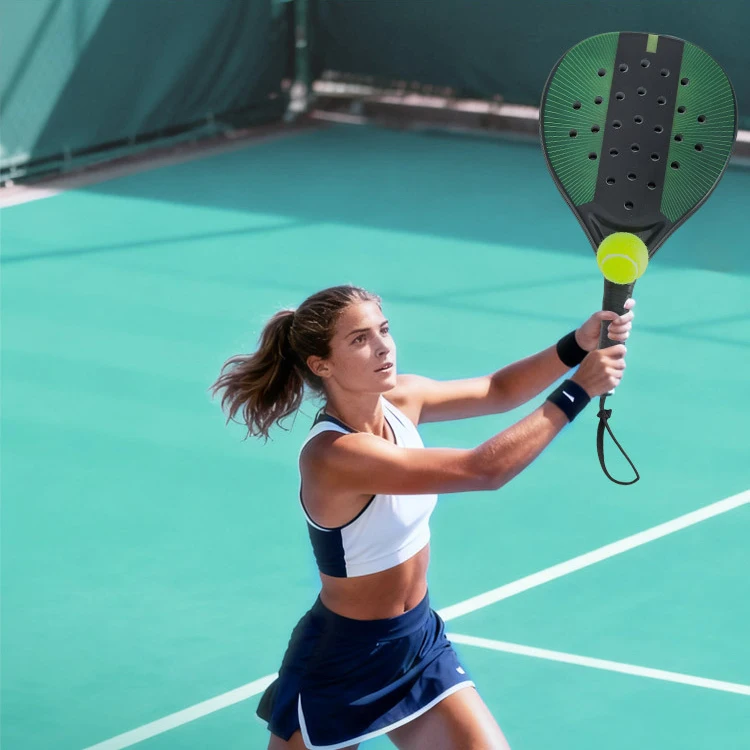
The global explosion of padel courts from Madrid and Milan to Miami, Dubai, and Jakarta has inspired hundreds of entrepreneurs, club owners, and sporting goods distributors to launch their own hardware labels. Yet for every emerging brand that captures loyal pro shop shelf space, three others quietly liquidate their unsold inventory within eighteen months. The difference between a thriving athletic enterprise and a costly hobby rarely comes down to social media hype; it comes down to structural durability and disciplined unit economics. Many first-time founders fall into the vanity-logo trap: they spend months obsessing over flashy Instagram graphics while handing production to the cheapest trading broker they can find online. When ten percent of that initial batch cracks across the carbon face during the first month of club play, warranty replacements and shipping refunds wipe out their entire working capital. Understanding what defines success in custom padel racket ventures starts with engineering a sub-one-percent structural defect rate alongside a direct-from-factory cost structure that preserves a sixty percent gross margin.
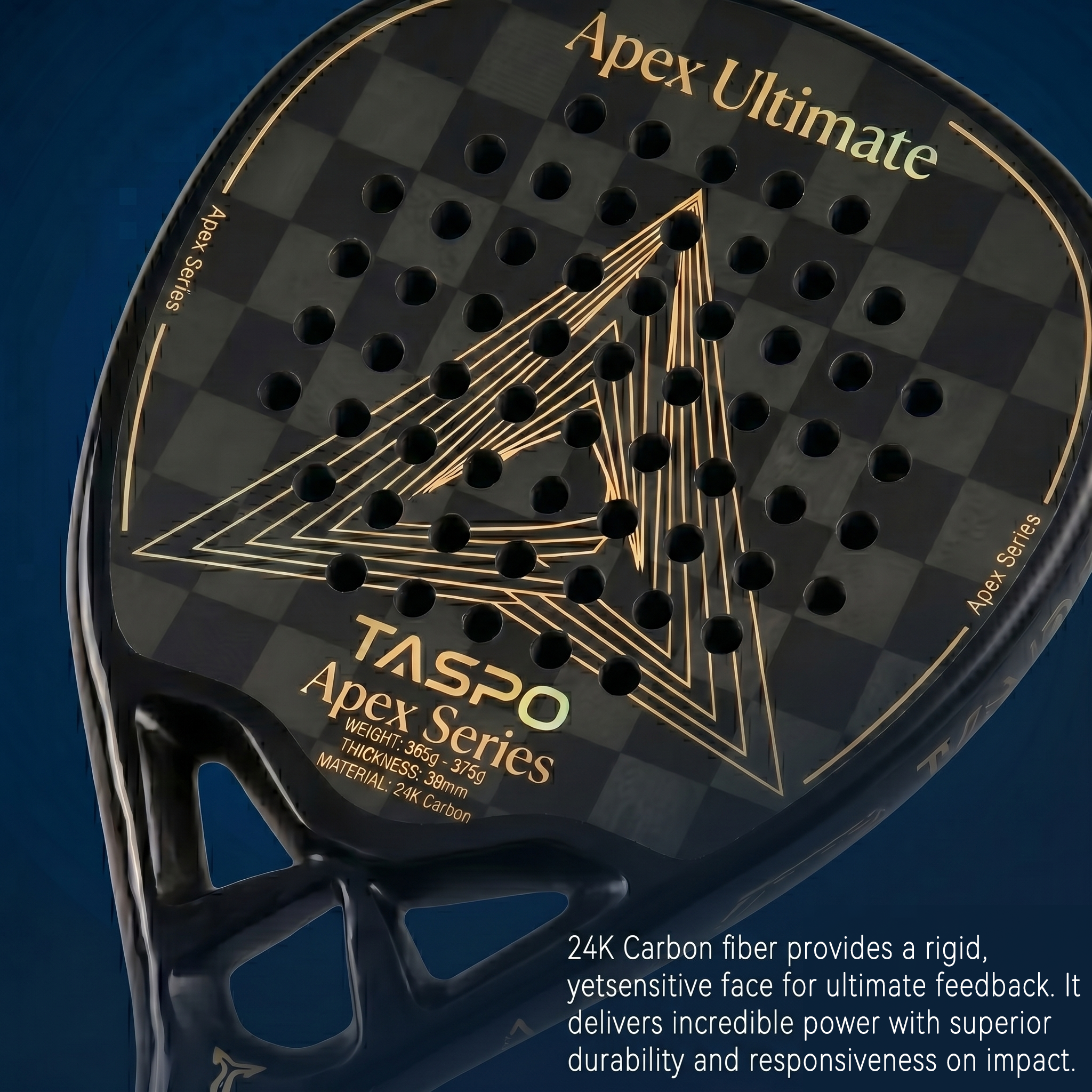
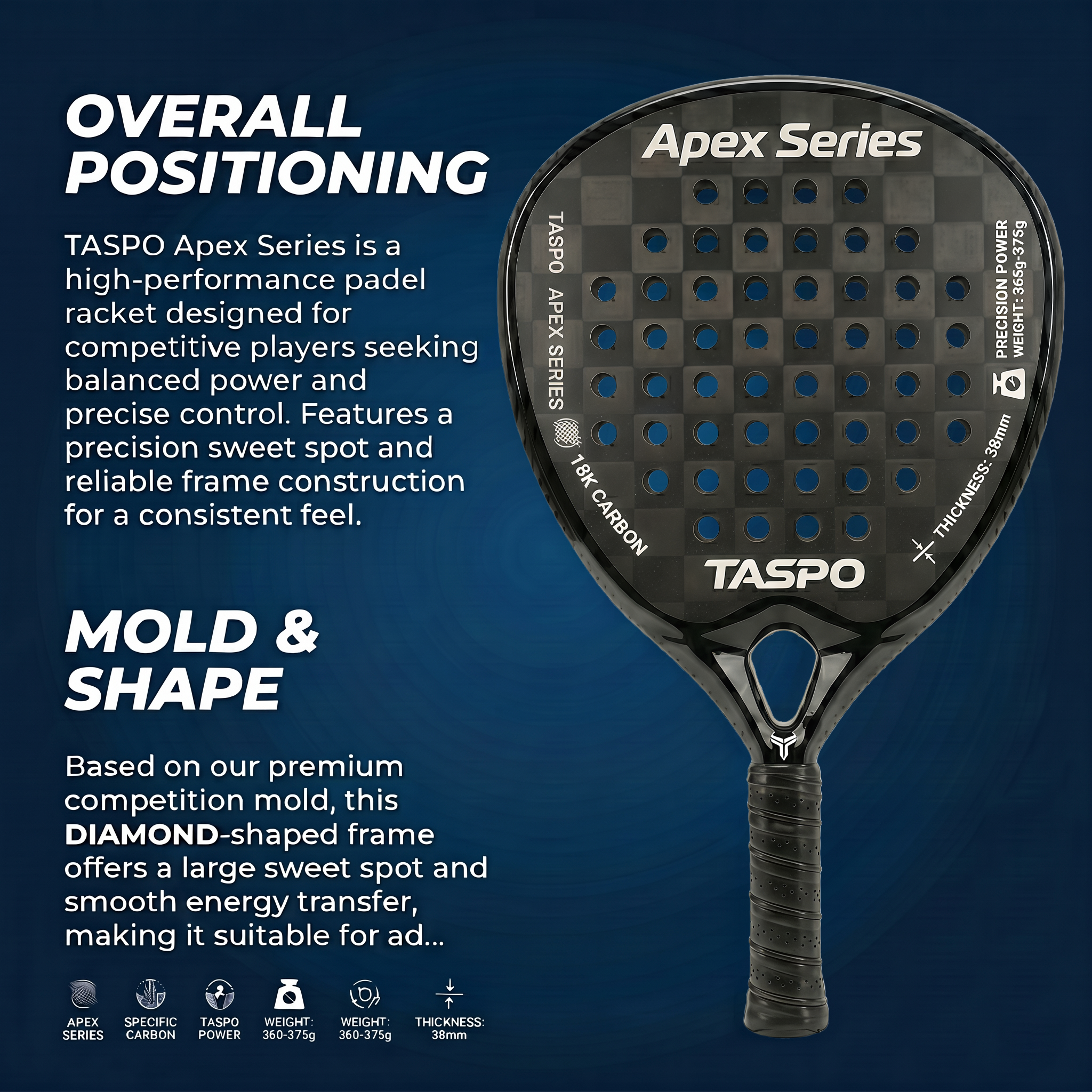
No single frame specification can satisfy every athlete walking through a club entrance, yet launching ten confusing models at once ties up excessive inventory cash. Successful custom padel racket brands conquer pro shop walls by engineering a focused, three-tier hardware matrix that covers ninety percent of player biomechanics. At the foundation sits a forgiving round-shaped control frame built with an elastic fiberglass and carbon hybrid face over a soft thirteen-degree EVA core, weighed around three hundred and fifty-five grams for beginners, juniors, and female club regulars. In the middle sits the volume driver: a versatile teardrop-shaped 3K carbon padel racket paired with a medium-density fifteen-degree Black EVA core and a balanced two hundred and sixty-two millimeter center of gravity for intermediate league competitors. At the pinnacle sits the brand halo: an aggressive diamond or hybrid-teardrop flagship featuring exposed 12K or 18K high-modulus aluminized carbon, a 3D molded spin relief, and an anti-vibration throat bridge for tournament strikers. Unifying all three tiers under a recognizable visual family DNA gives club coaches an effortless fitting ladder as their students progress.
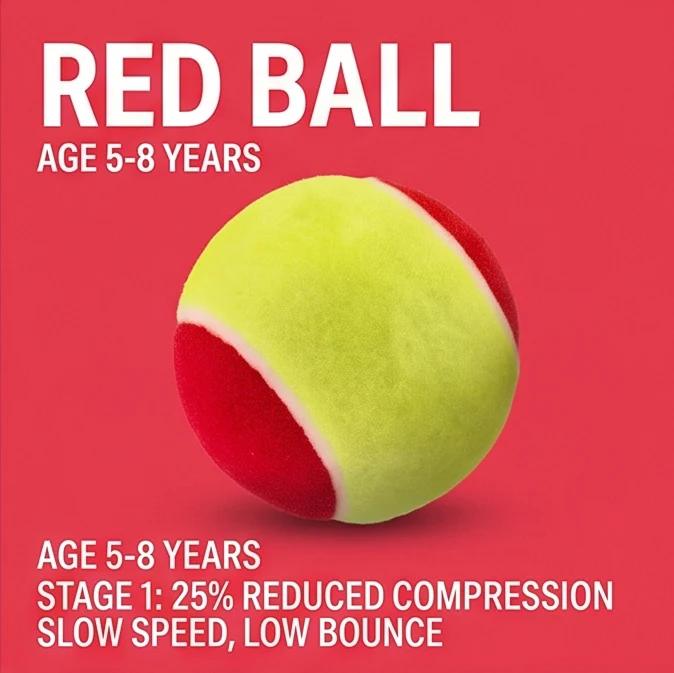
Even the most brilliantly engineered carbon frame suffers from one inherent commercial limitation: durability slows down repeat hardware purchases. Once a satisfied customer buys a two-hundred-and-fifty-dollar flagship paddle, they may not need another frame for twelve to fifteen months. Ventures that rely one hundred percent on single-frame transactions constantly struggle with high customer acquisition costs and uneven seasonal cash flow. The most profitable custom padel racket ventures solve this by building a synchronized consumable ecosystem around their hard goods from day one. By pairing every racket launch with branded three-ball pressurized cans of woven-wool tournament padel balls, sixty-count pro shop drums of tacky polyurethane overgrips, embroidered cotton wristbands, and thermo-insulated court bags, a brand captures weekly recurring revenue from its existing player base. Financial audits across multi-category racket brands demonstrate that bundling consumables and soft goods alongside custom rackets multiplies three-year customer lifetime value by two point four times while generating steady winter cash flow that funds next-generation steel mold tooling.
Examining the operational roadmap of a profitable independent brand illustrates how smart phased manufacturing minimizes startup risk. Consider two former national-level padel coaches in Turin, Italy, and Amsterdam, the Netherlands, who teamed up two years ago to launch a technical player-first equipment brand. Instead of burning twenty-five thousand dollars of seed capital on unproven custom steel molds before selling a single frame, they partnered directly with an experienced custom padel racket manufacturer to execute a two-phase rollout. For Phase One, they selected three proven, tour-tested open molds from the factory’s library and invested their budget into premium internal specifications—authentic Toray carbon prepreg, high-memory Black EVA cores, CNC-drilled spin holes, and striking exposed-carbon matte decals. Launching through a network of thirty coaching ambassadors, their initial twelve-hundred-unit production run sold out in fourteen weeks with a zero point three percent warranty rate. Reinvesting those profits into Phase Two during month fourteen, the founders commissioned proprietary 3D private molds featuring a patented shock-absorbing throat bridge, scaling annual wholesale padel racket volume past four thousand two hundred units with healthy net profitability.
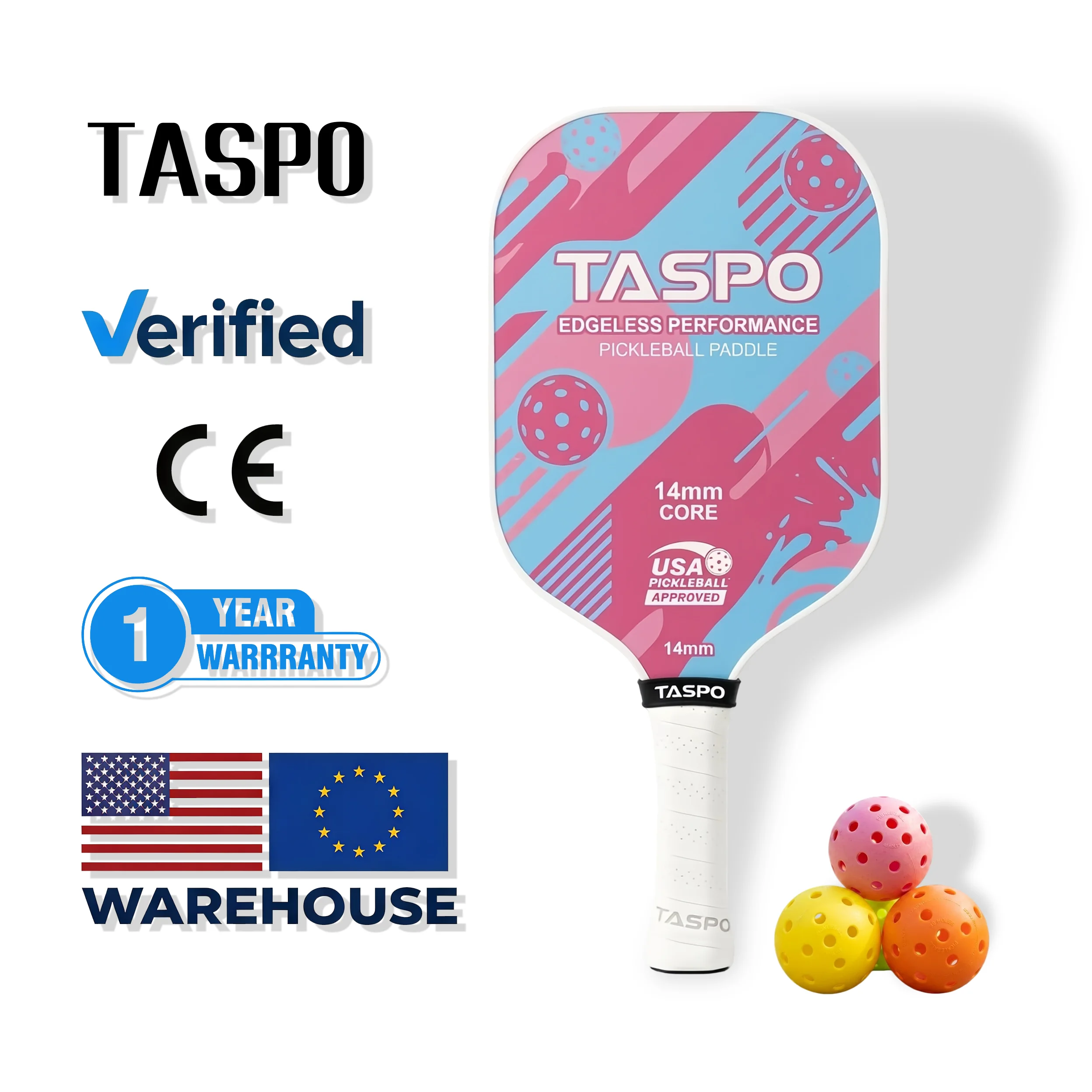
Transforming a custom padel racket venture from an ambitious business plan into a respected market leader depends entirely on the reliability and scalability of the factory behind the brand. Relying on fragmented trading agents or under-equipped workshops exposes a growing venture to fatal delivery delays, weight imbalances, and intellectual property leaks. Partnering directly with a vertically integrated composite powerhouse locks in industrial stability at every stage of growth. This is where Taspo serves as the ultimate manufacturing incubator and long-term production home for global padel entrepreneurs, club chains, and wholesale distributors. Operating state-of-the-art ISO-certified composite molding lines, five-axis CNC drilling centers, and six-axis mechanical fatigue testing labs, Taspo supports startups with low-risk open-mold customization before scaling seamlessly into confidential 3D private mold tooling as volume grows. Even better, Taspo enables ventures to launch a complete one-stop brand ecosystem—consolidating custom carbon padel rackets, FIP-standard pressurized padel balls, custom-debossed overgrips, sweatbands, and thermal bags inside a single shipment to maximize margins and dominate the court.
 Hot News
2026-11-23
2026-11-23
2026-11-23
2026-11-23
2026-11-23
2026-11-23
 EN