Walk into a poorly merchandised sporting goods shop and you will hear sales clerks asking customers a single question before handing them a frame: how many grams do you want? Relying strictly on static scale weight is one of the biggest traps in racket sports procurement. Two padel rackets can sit on a digital postal scale and read an identical three hundred and sixty-five grams, yet the moment an athlete steps onto the glass court to defend a fast body serve, one frame whips around effortlessly like a feather while the other feels like swinging a heavy sledgehammer underwater. That dramatic difference in maneuverability is governed not by total mass, but by where that mass is concentrated along the forty-five-centimeter length of the frame. Biomechanical lab measurements show that shifting the center of gravity just fifteen millimeters toward the tip increases dynamic swing weight—the rotational inertia resisting wrist acceleration—by up to eighteen percent. Understanding what factors shape a unique padel racket balance allows brand managers and club buyers to engineer hardware that matches human anatomy rather than arbitrary scale numbers.
The primary architectural foundation that dictates where a frame’s center of gravity sits is the exterior silhouette of the steel compression mold. In custom padel racket design, molds are categorized into three classic geometric profiles: round, teardrop, and diamond. A round mold distributes the carbon fiber perimeter tube and internal EVA foam core symmetrically around the geometric center of the face, pulling the padel racket balance point down toward the handle into a head-light window between two hundred and fifty and two hundred and fifty-eight millimeters measured from the butt cap. This low balance maximizes wrist agility during rapid net exchanges and provides a massive central sweet spot for defensive control players. At the opposite extreme, a diamond mold shifts the widest part of the frame hoop and foam mass up near the twelve o’clock tip, pushing the balance point into a head-heavy zone between two hundred and sixty-eight and two hundred and seventy-five millimeters. While a diamond balance demands clean technique, that elevated tip mass acts like a weighted hammer head during overhead smashes. Splitting the difference is the teardrop hybrid silhouette, which sets an even balance between two hundred and sixty and two hundred and sixty-six millimeters for versatile all-court play.

While the exterior steel mold sets the baseline geometry, experienced composite engineers manipulate three secondary variables on the factory floor to fine-tune padel racket balance down to the millimeter. The first variable is the structural architecture of the throat bridge—the heart of the racket where the handle shaft joins the face. Adding aerodynamic carbon cross-ribs or anti-torsion Kevlar pillars inside the throat pulls mass toward the player’s hand, stabilizing off-center blocks while lowering the balance point by three to四 millimeters. The second lever is the Computer Numerical Control hole-drilling layout. By programming CNC spindles to drill larger thirteen-millimeter apertures across the upper hoop and tighter ten-millimeter holes near the lower bridge, engineers remove twelve to fifteen grams of foam and carbon mass directly from the tip, transforming an unwieldy diamond mold into a surprisingly fast-swinging weapon. Third, manufacturers calibrate handle counterweight density: injecting higher-density polyurethane foam into the handle pallet or embedding a removable five-to-ten-gram brass or tungsten weight inside the butt cap lets a carbon padel racket shift its balance dynamically without altering head construction.
Reviewing retail sales metrics from multi-court clubs proves that educating players on balance geometry dramatically boosts hardware sell-through and customer satisfaction. Consider a premier ten-court padel club and retail pro shop network in Lisbon, Portugal, serving a diverse membership of corporate executives, female league players, and competitive tournament strikers. Previously, their private label catalog offered three frames that all shared the exact same teardrop mold and two hundred and sixty-seven millimeter head-heavy balance, differing only in paint color. Female and senior members frequently returned demo rackets after twenty minutes, complaining of forearm fatigue and late net volleys. Eighteen months ago, the club director partnered with a specialized custom padel racket manufacturer to re-engineer their lineup around three distinct balance profiles: a two hundred and fifty-four millimeter head-light round model for defensive maneuverability, a two hundred and sixty-two millimeter teardrop all-rounder, and a two hundred and seventy millimeter diamond power frame featuring a CNC weight-relieved hole pattern. By printing the exact balance millimeter reading on every frame and training coaches to fit members by swing style, pro shop hardware conversions jumped by fifty-one percent and arm-strain complaints dropped by forty percent.
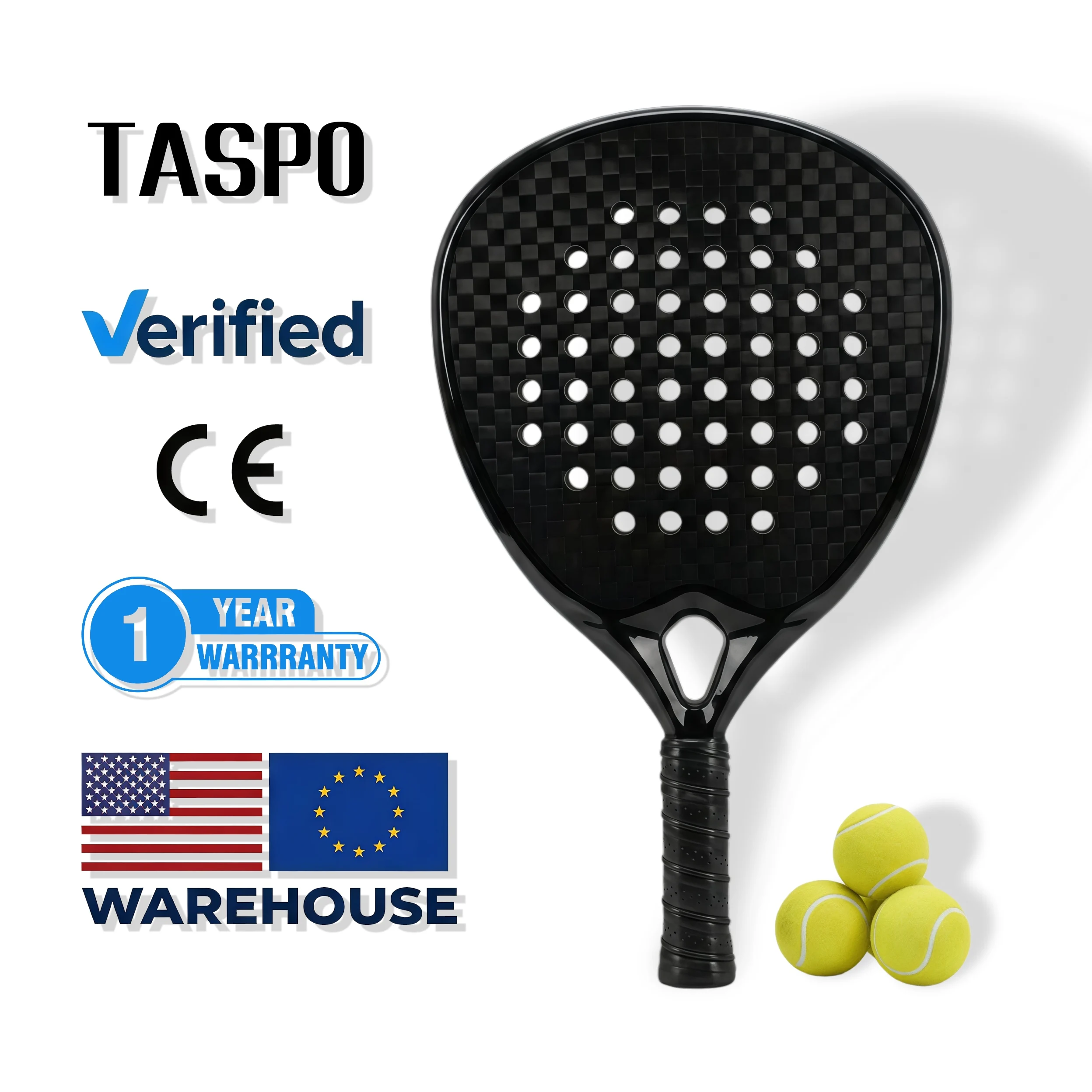
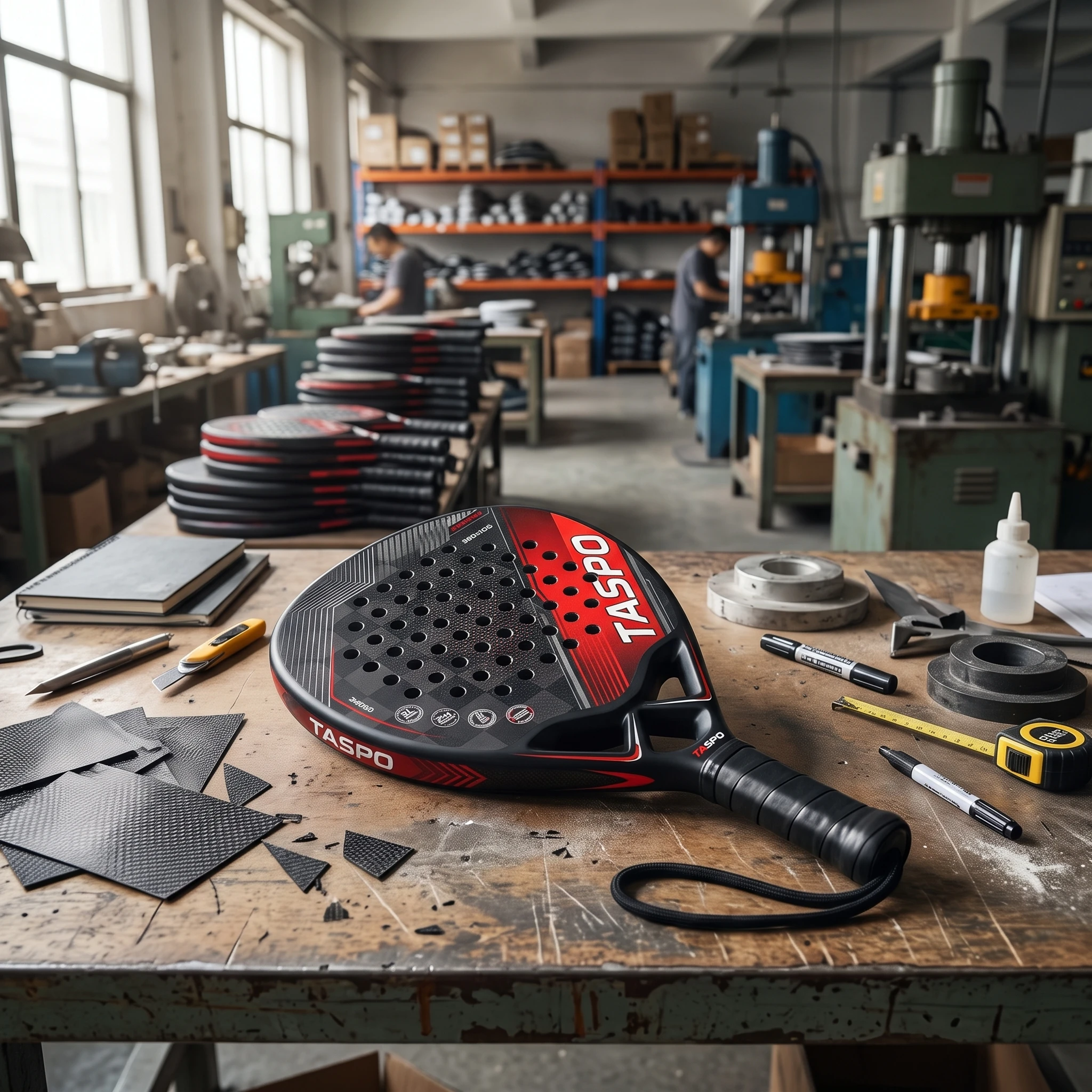
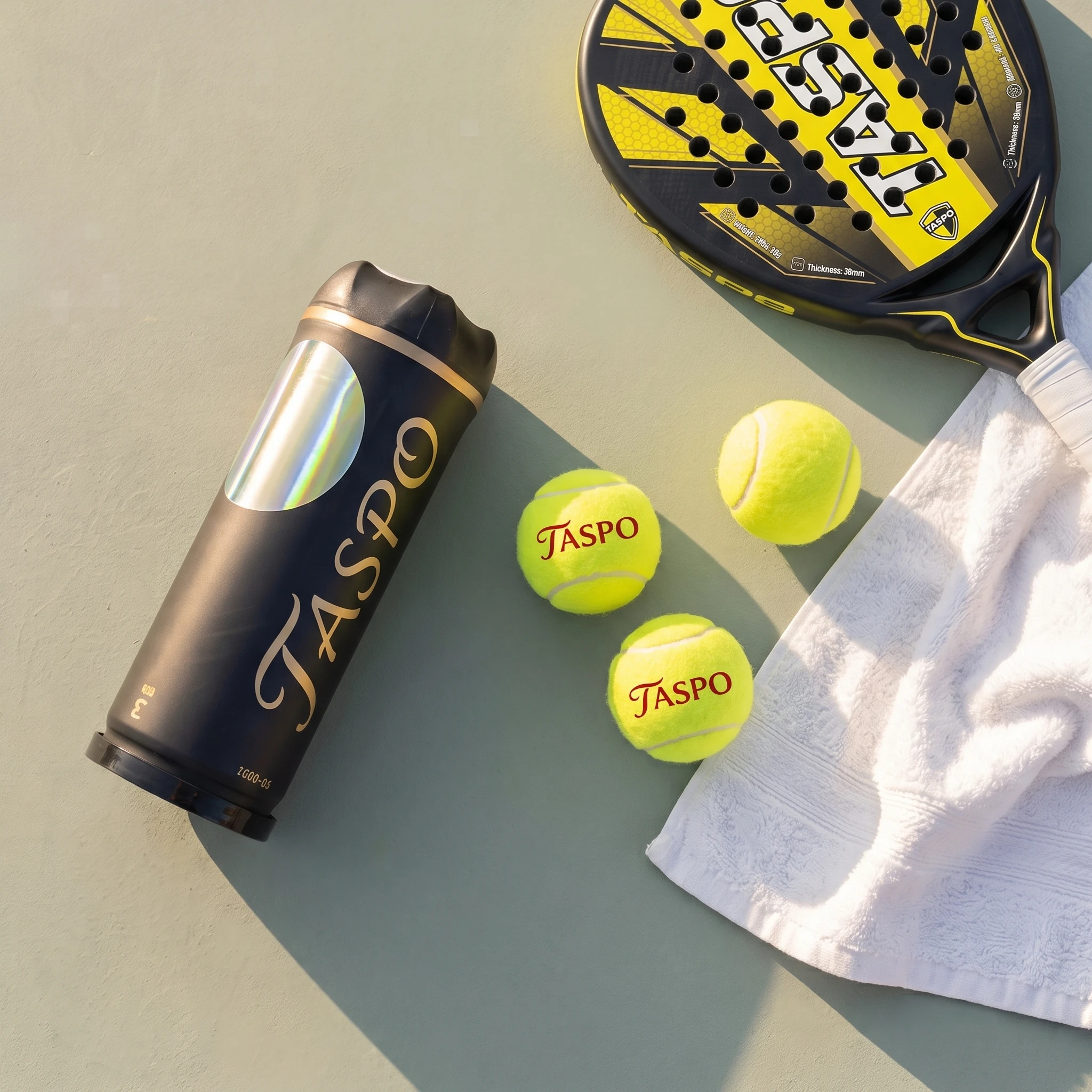
Designing a target balance point on a CAD screen is easy, but holding that exact center of gravity across two thousand mass-produced rackets is where most low-end suppliers fail miserably. When unverified workshops slop excess epoxy putty around the frame perimeter during sanding or apply uneven coats of heavy primer paint, balance points swing wildly by ten to twelve millimeters inside the same shipping carton—ruining the playing characteristics of the mold. Partnering directly with a vertically integrated composite factory eliminates that manufacturing drift completely. This is where Taspo delivers world-class precision to global padel brands, club networks, and wholesale distributors. Operating advanced ISO-certified composite molding lines, Taspo enforces strict gram-level prepreg carbon weighing, automated CNC hole drilling, and robotic dust-free UV spraying so cosmetic coatings never throw off head weight. Before any wholesale padel racket order leaves the facility, Taspo technicians measure every single frame on digital balance-beam scales and laser weight sorters, holding balance tolerances within a tight plus-or-minus two-millimeter window. Consolidating precision-balanced rackets alongside Taspo’s tournament padel balls, overgrips, and bags guarantees your brand delivers tour-level consistency on every swing.
 Hot News
2026-11-20
2026-11-20
2026-11-20
2026-11-20
2026-11-20
2026-11-20
 EN