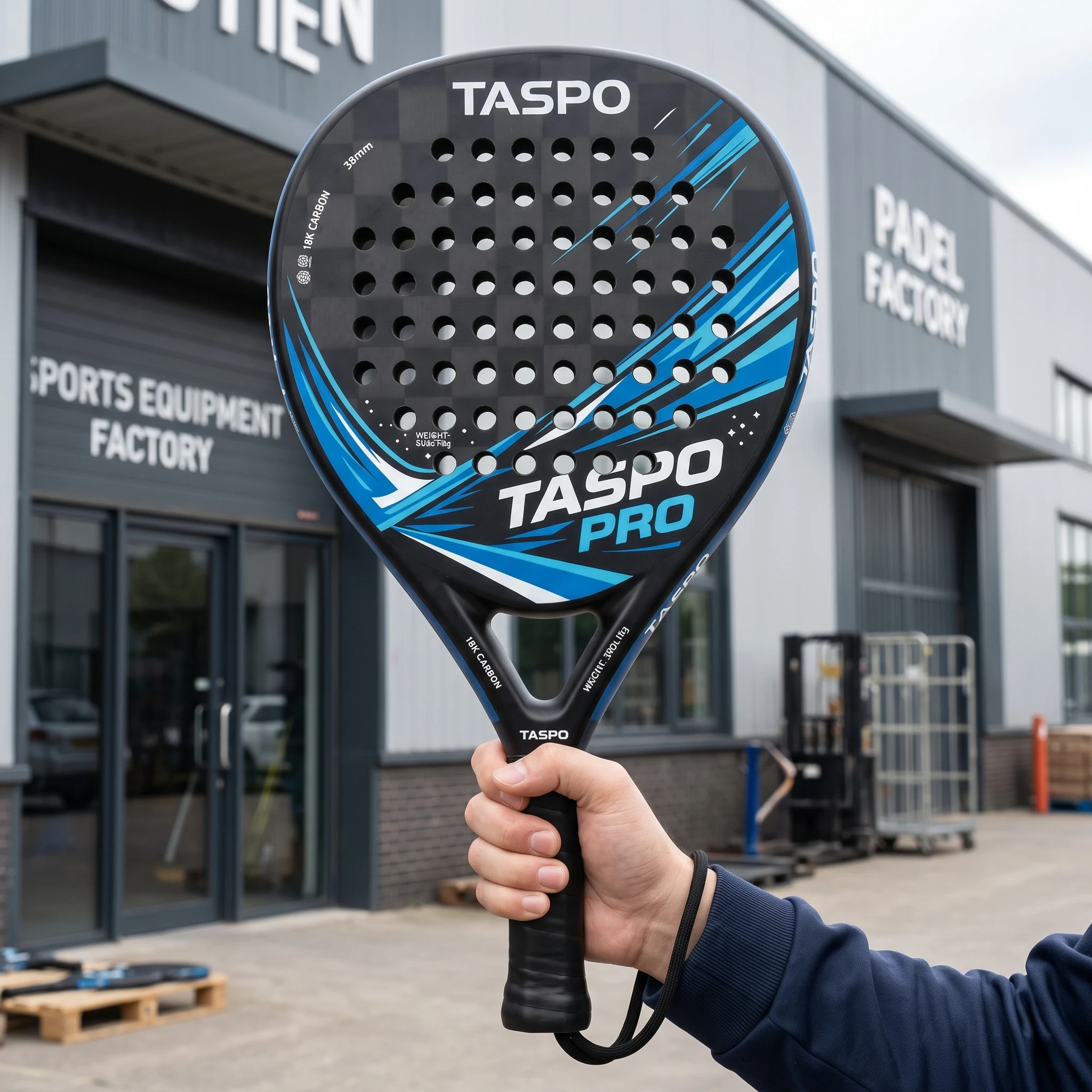
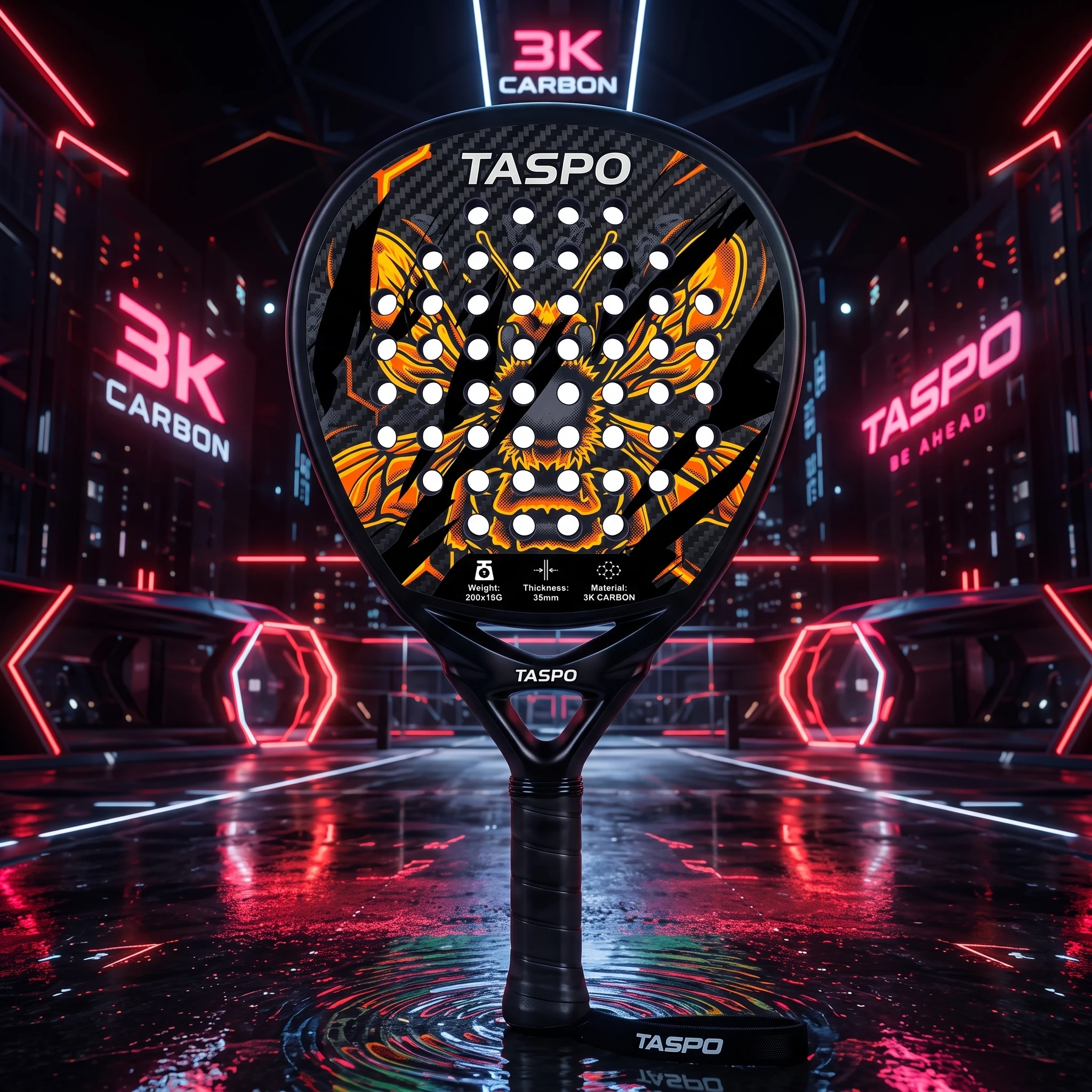
Type "beach tennis factory" into any global B2B wholesale directory, and thousands of polished supplier profiles pop up claiming to manufacture tournament-grade composite frames. Yet for brand founders, resort procurement managers, and regional distributors, separating genuine composite engineering plants from middleman trading companies is one of the toughest hurdles in the sporting goods industry. Ordering from an unverified intermediary often leads to disastrous surprises when the shipping container arrives: frames billed as premium 18K carbon fiber turn out to be cheap painted fiberglass with a thin decorative veneer, weights swing wildly between three hundred and ten and three hundred and fifty grams, and delivery schedules slip right past peak summer selling seasons. Knowing where to source certified tennis beach rackets suppliers protects both profit margins and brand reputation by connecting buyers directly with standardized, engineering-led factories.
Understanding the global supply chain landscape starts with looking at where aerospace-grade carbon fiber raw materials and precision CNC mold tooling converge. Today, the most advanced beach tennis racket manufacturer clusters operate inside specialized composite industrial zones in coastal China, where direct access to T700, 3K, 12K, and 18K carbon filament weavers, EVA foam chemical plants, and five-axis aluminum mold machinists allows integrated production under one roof. However, geographic location alone does not guarantee tournament legality. A certified supplier must engineer every mold strictly around International Tennis Federation beach tennis regulations—keeping overall length at or below fifty centimeters, width within twenty-six centimeters, and profile thickness between twenty and twenty-two millimeters, while ensuring drilling patterns and surface grit coatings comply with official tournament playability rules. Sourcing from a factory that already exports ITF-compliant frames to mature markets in Brazil, Italy, and Spain eliminates regulatory guesswork from day one.
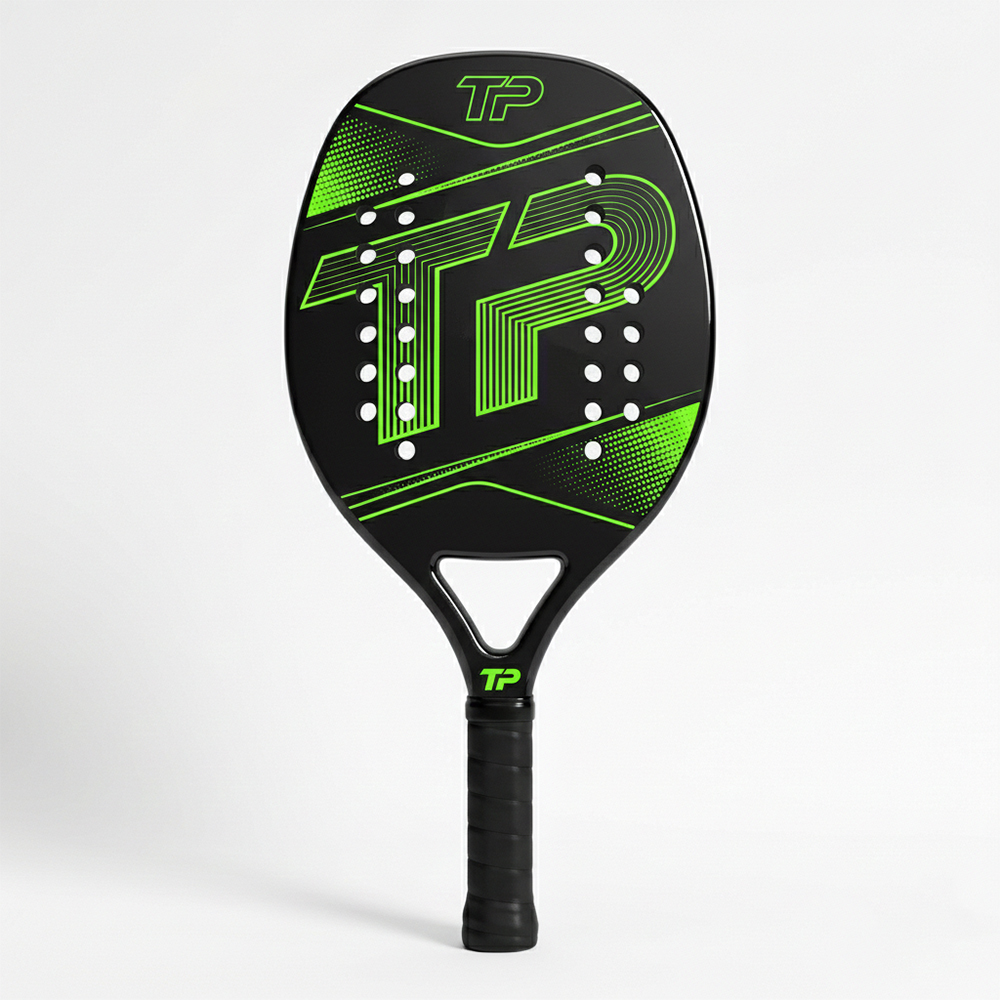
When evaluating potential tennis beach rackets suppliers through virtual video tours or on-site factory audits, savvy procurement directors inspect four specific production departments to verify true in-house manufacturing capability. First, check for sub-zero walk-in freezers storing authentic unidirectional and woven carbon fiber prepreg rolls; backyard workshops that brush wet liquid epoxy by hand onto dry cloth cannot control resin-to-fiber weight ratios. Second, inspect the molding floor for high-pressure autoclave curing chambers and computer-monitored hot presses that consolidate twenty-millimeter thin-wall frames around Black EVA cores without trapped air voids. Third, verify that aerodynamic perimeter hole arcs are bored using automated multi-axis CNC routers rather than manual drill presses, which splinter carbon fibers around hole rims. Finally, a legitimate custom beach tennis racket factory operates dust-free, climate-controlled painting booths equipped for UV-inhibited polyurethane topcoats and calibrated quartz-silica sand grit application.
Real-world procurement numbers from high-volume coastal markets illustrate the financial impact of cutting out trading intermediaries and partnering directly with a certified factory. Two years ago, a major sporting goods distributor supplying forty beach clubs across Brazil and Chile suffered a nine percent warranty return rate on frames sourced through a third-party export broker due to throat bridge cracking and yellowing clear coats under tropical sun. After auditing and transitioning their entire private-label line to a direct, standardized beach tennis racket manufacturer equipped with autoclave prepreg lines and seven-stage quality control, the distributor reduced unit landing costs by twenty-two percent. Even more importantly, container on-time delivery rates reached ninety-nine point four percent ahead of the southern hemisphere summer season, while field warranty claims for frame delamination or UV fading dropped below zero point two percent across five thousand units sold.
Before signing a volume OEM or ODM production contract with any wholesale beach tennis rackets supplier, B2B buyers should establish a clear, data-driven prototype verification protocol. Start by requesting three identical sample frames built to a specific target specification—for example, a three-hundred-and-twenty-five-gram 12K carbon frame with a twenty-five-point-five-centimeter balance point and medium-soft Black EVA core. When the prototypes arrive, measure all three units on digital scales and balance boards to confirm the factory can hold static weight within plus or minus three grams and balance within two millimeters. Request internal laboratory documentation proving the supplier conducts ultrasonic non-destructive core-bonding scans, three-point throat bridge deflection trials, pneumatic cannon impact fatigue testing, and seventy-two-hour QUV accelerated solar weathering tests. A transparent manufacturer gladly shares batch inspection logs before a single deposit wire is sent.
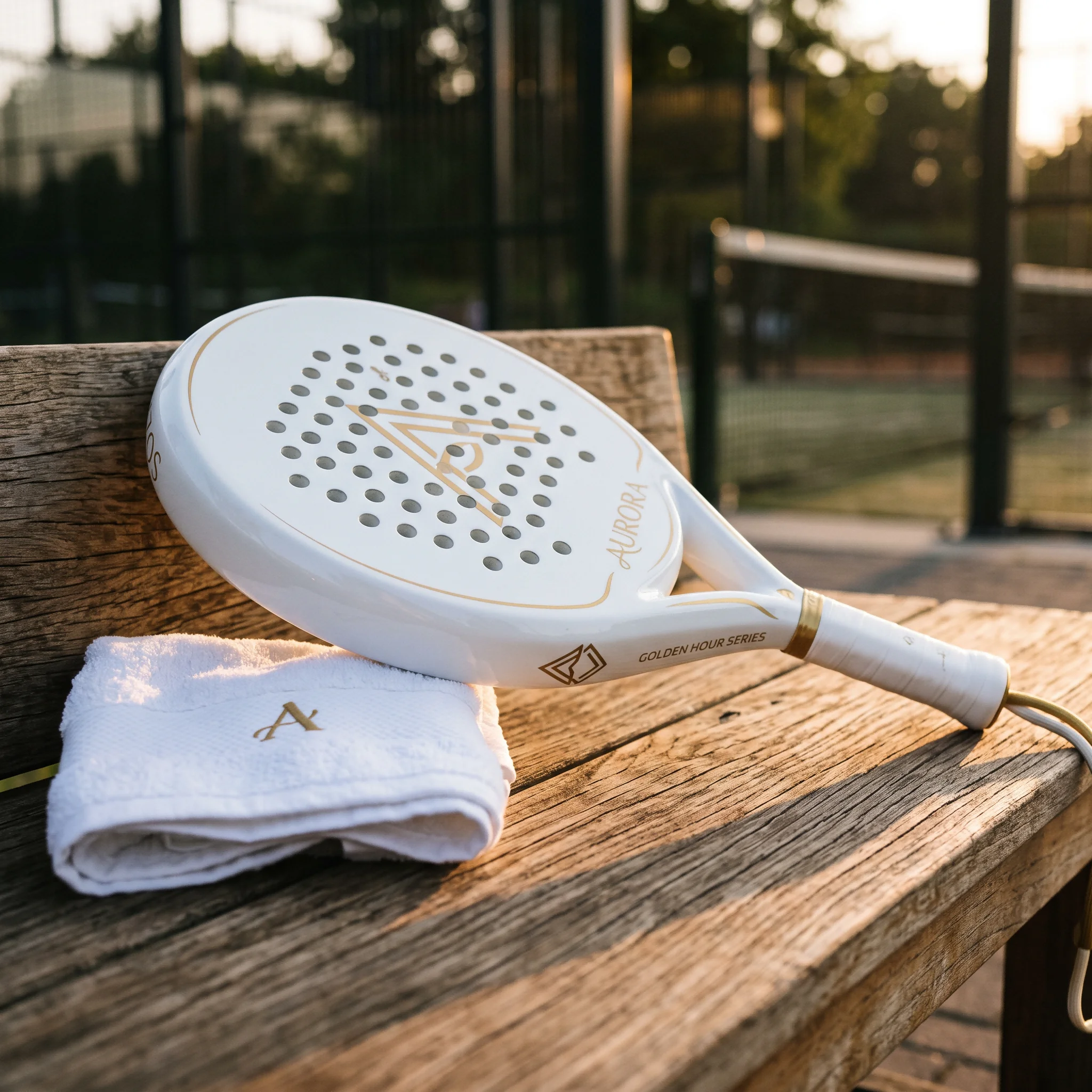
Ending the search for a dependable, factory-direct manufacturing partner comes down to choosing a facility that combines massive R&D engineering depth with transparent quality governance. Taspo stands out among global tennis beach rackets suppliers, operating self-owned standardized production bases supported by more than one hundred and thirty experienced composite engineers. Specializing in advanced carbon fiber prepreg autoclave curing, resin transfer molding, and precision 3D CNC machining, Taspo provides comprehensive one-stop OEM and ODM solutions for custom beach tennis racket collections across 3K, 12K, 18K, and Kevlar-hybrid layups. Partners can customize aerodynamic twenty-to-twenty-two-millimeter molds, quartz-sand spin surfaces, and waterproof grips alongside coordinated beach bags, depressurized Stage 2 balls, tacky overgrips, and moisture-wicking sweatbands. Every wholesale beach tennis rackets order leaving Taspo passes through seven rigorous quality monitoring stages from raw prepreg inspection to final balance calibration. With rapid sample delivery in seven to fifteen working days and twenty-four-hour client support, Taspo is the trusted manufacturing backbone for global beach sports brands.
 Hot News
2026-11-23
2026-11-23
2026-11-23
2026-11-23
2026-11-23
2026-11-23
 EN