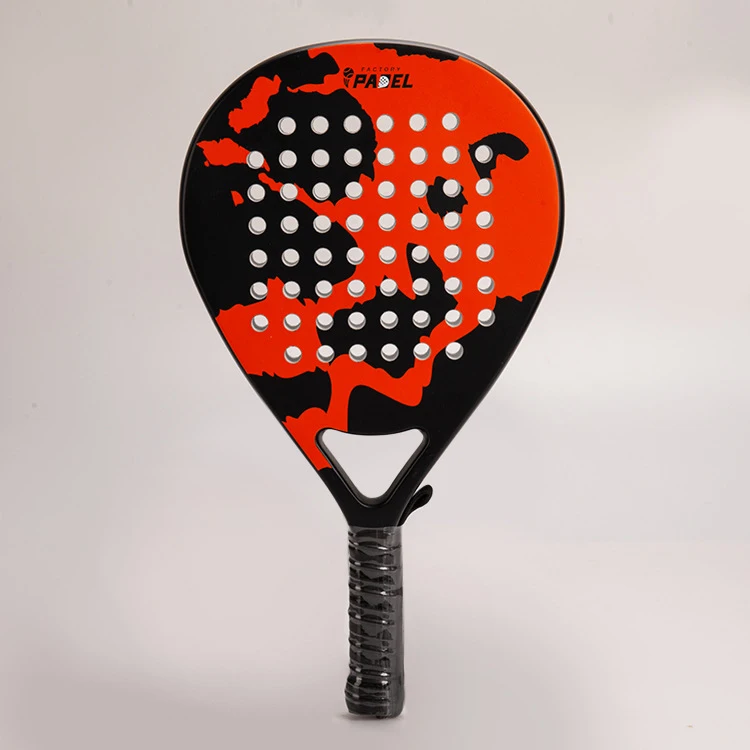
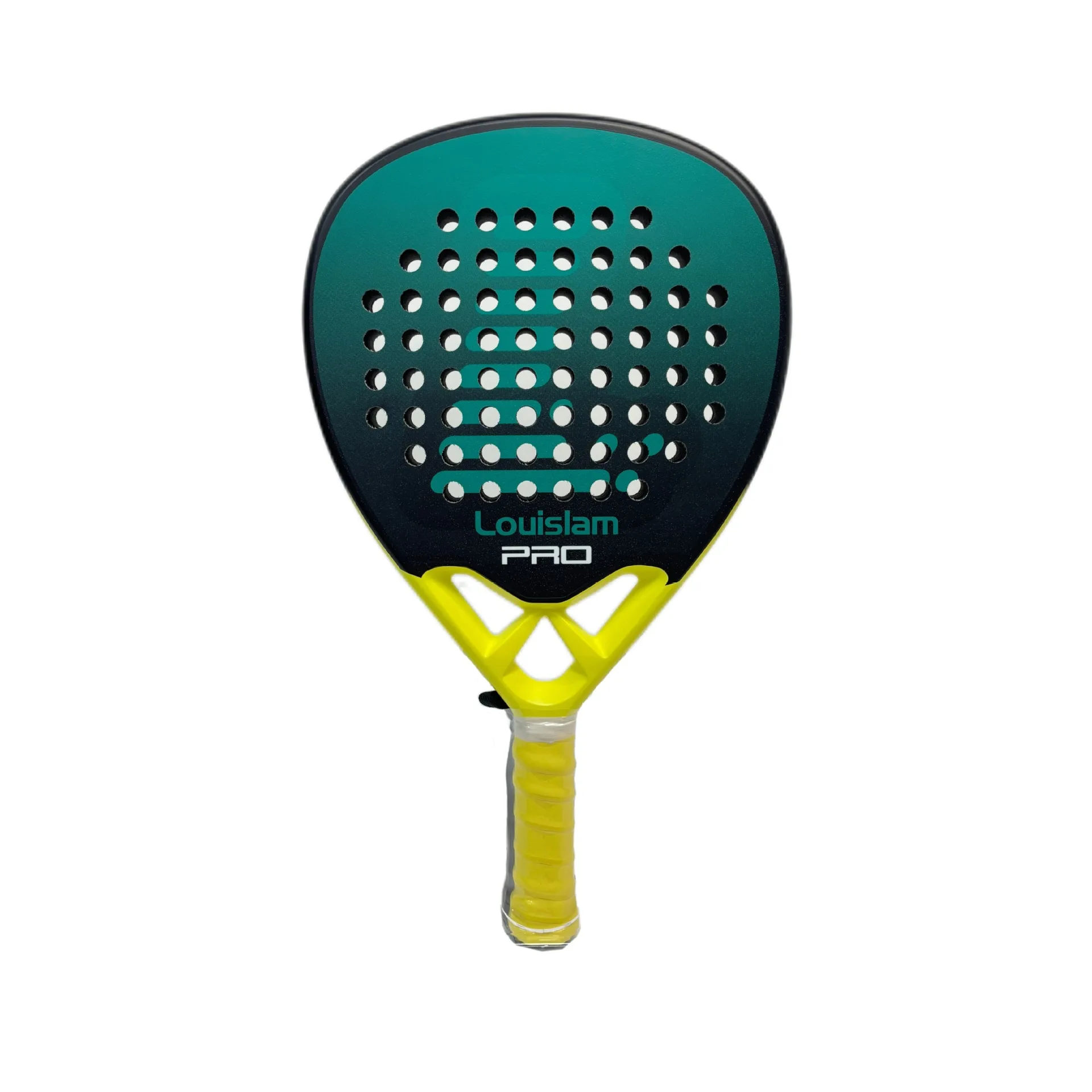
Over the past five years, the international racquet sports landscape has witnessed an infrastructural revolution. What began as a localized phenomenon across Spain and Argentina has rapidly expanded into a global athletic industry spanning Western Europe, the Middle East, North America, and East Asia. Thousands of commercial fitness clubs, municipal parks, and luxury hospitality resorts are constructing panoramic glass courts at record speed to satisfy consumer appetite. However, the most significant commercial shift within this boom is not merely the influx of first-time beginners; it is the rapid technical maturation of existing players. Industry retail analytics reveal that once recreational enthusiasts log between six and twelve months of weekly court time, their biomechanical swing speeds and tactical understanding outgrow basic starter equipment. This massive demographic wave transitioning from casual social rallies into competitive club leagues explains why professional padel racket demand is accelerating across every major sporting territory. Retailers and equipment distributors are discovering that advancing players actively research composite specifications, seeking tour-grade weaponry that delivers sharper directional accuracy, heavier rotational spin, and superior structural longevity.
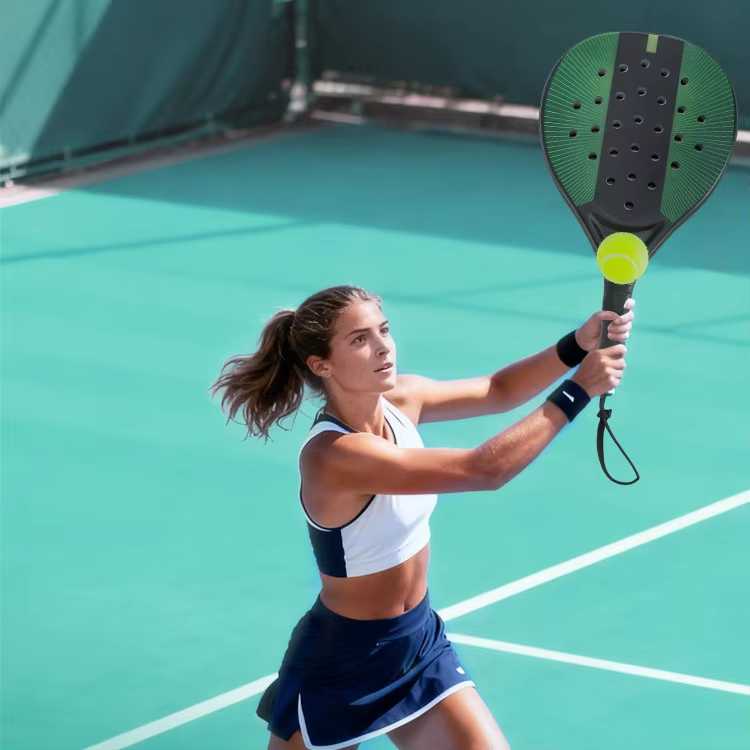
To understand why advancing athletes eagerly invest hundreds of dollars in equipment upgrades, one must examine the mechanical ceiling of budget starter paddles. Entry-level models are almost universally constructed with braided fiberglass faces laminated over soft, single-density polyethylene or low-grade EVA cores. For a true novice with a slow, hesitant swing, fiberglass provides a helpful trampoline effect that pushes the ball over the net effortlessly. Yet as an athlete develops faster wrist snap and begins facing heavy overhead smashes from opponents, that same fiberglass flexibility becomes a severe liability. Under high-velocity impacts, a soft fiberglass face deforms excessively like a loose drumhead, causing the ball to launch at erratic, unpredictable vertical angles. Furthermore, budget single-tube frames lack torsional stiffness along the throat axis; when blocking a fast drive slightly off-center, the entire head twists in the player's hand, sending jarring vibrations straight into the wrist. Within just a few months of aggressive club play, standard foams suffer from permanent cellular compression, leaving the center hitting zone dead and forcing athletes to seek out a genuine carbon fiber padel racket engineered for competitive intensity.
The surging appetite for tour-caliber equipment is driven equally by performance enhancement and musculoskeletal self-preservation. As club competitors increase their playing frequency to three or four sessions per week, repetitive impact shock becomes a major medical concern. Upgrading to a tour level padel paddle constructed from aerospace-grade 3K, 12K, or 18K carbon prepregs fundamentally alters how kinetic energy is managed upon ball contact. High-modulus carbon filaments possess extraordinary tensile stiffness, allowing the hitting face to remain flat and stable during high-speed collisions while returning maximum energy into the shot. Simultaneously, modern professional frames pair these stiff carbon skins with multi-density memory EVA cores and engineered anti-torsion throat bridges. By integrating viscoelastic silicone dampers, braided basalt fibers, or hollow aerodynamic struts into the throat heart, advanced frames filter out destructive high-frequency harmonic vibrations before they travel down the octagonal handle. Orthopaedic sports studies confirm that switching from an unstable, vibrating starter paddle to a torsionally rigid carbon fiber padel racket significantly reduces mechanical strain on the forearm extensor tendons, allowing passionate athletes to compete pain-free across long tournament weekends.
From a commercial business perspective, the shift toward premium equipment has transformed revenue models for sporting goods brands, regional distributors, and multi-court club operators. In the early days of court expansion, clubs generated most of their revenue from hourly court bookings and cheap rental gear. Today, savvy pro-shop managers operate lucrative "demo-to-buy" programs centered around high-end tournament collections. When a club member tests a finely balanced tour level padel paddle featuring exposed 18K triaxial carbon and 3D molded spin grit during a league match, the immediate improvement in overhead smash velocity and net-play touch creates an undeniable urge to upgrade. For private label brands and retail chains, professional models retailing between two hundred and three hundred fifty dollars yield substantially higher gross profit margins per unit compared to low-margin starter kits. Consequently, expanding padel market growth is heavily concentrated in the premium and bespoke product tiers. Brands that supply pro shops with visually striking, technically superior carbon lineups capture recurring revenue from ambitious players who view their equipment as a vital investment in their athletic progression.
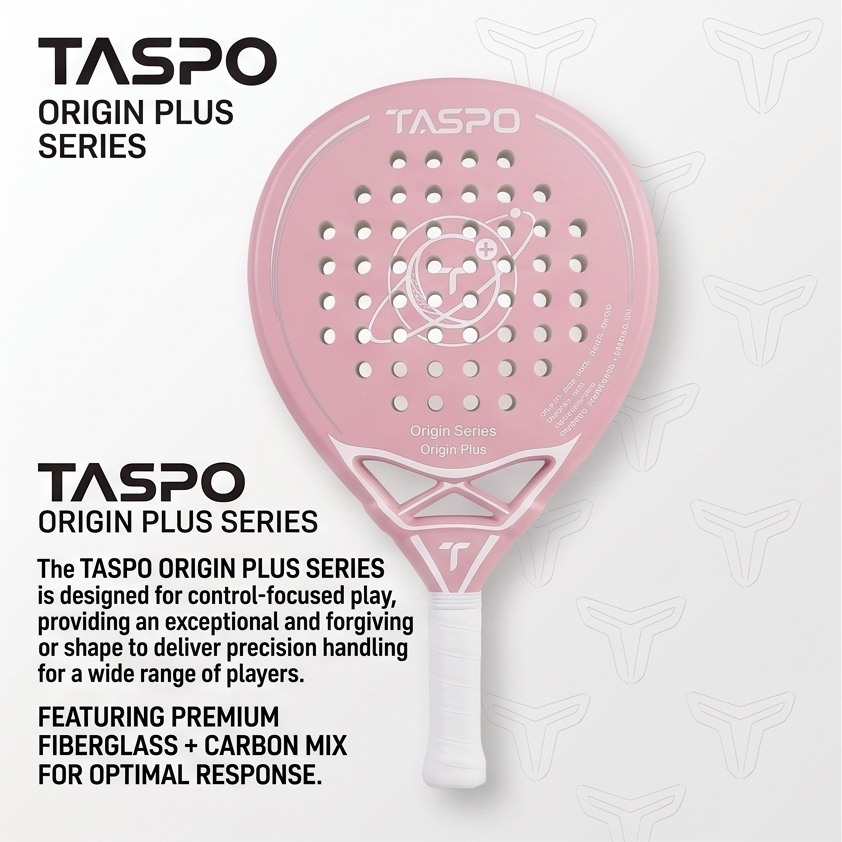
Capitalizing on this worldwide surge in professional padel racket demand requires a resilient, high-capacity manufacturing supply chain capable of delivering flawless aerospace composite quality at scale. During peak seasonal ordering windows, many emerging sports brands suffer catastrophic stockouts or receive rushed factory shipments plagued by delaminated carbon faces, crooked water decals, and wild ten-gram weight discrepancies. Discerning players paying flagship prices have zero tolerance for manufacturing defects. Securing sustainable market leadership requires partnering directly with an established industrial powerhouse. In the global sporting goods manufacturing sector, Taspo Sports stands as an authoritative pioneer in high-performance composite racket production. Operating expansive cleanroom prepreg cutting facilities, multi-cavity isothermal hydraulic presses, five-axis CNC drilling centers, and laser-guided balance calibration lines, Taspo Sports empowers international brands to scale their collections without compromising microscopic quality standards. Whether a business aims to capture global padel market growth with a proprietary anti-vibration bridge mold or launch a flagship carbon fiber padel racket series held to strict plus-or-minus 1.5-gram tolerances, Taspo Sports provides turnkey OEM and ODM execution. Partnering with a trusted padel racket supplier like Taspo Sports guarantees commercial brands dependable lead times, certified tournament durability, and world-class engineering that dominates competitive courts worldwide.
 Hot News
2026-11-20
2026-11-20
2026-11-20
2026-11-20
2026-11-20
2026-11-20
 EN