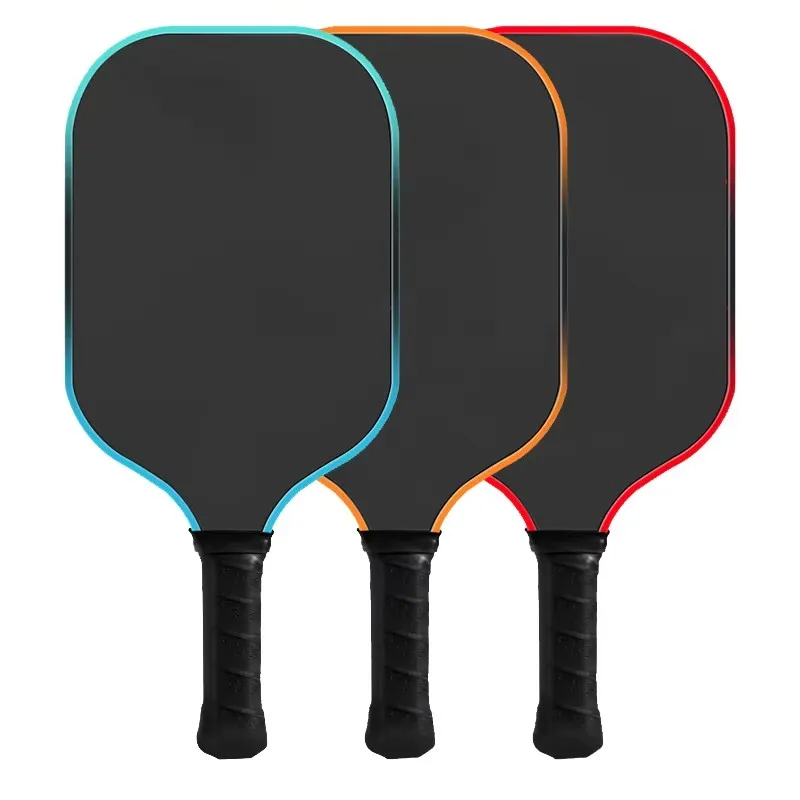
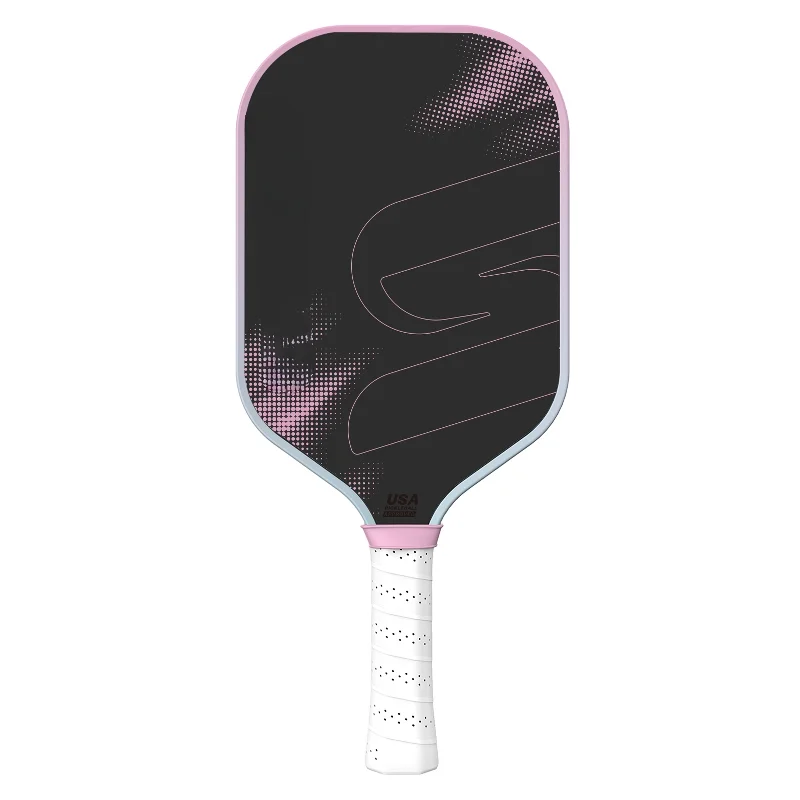
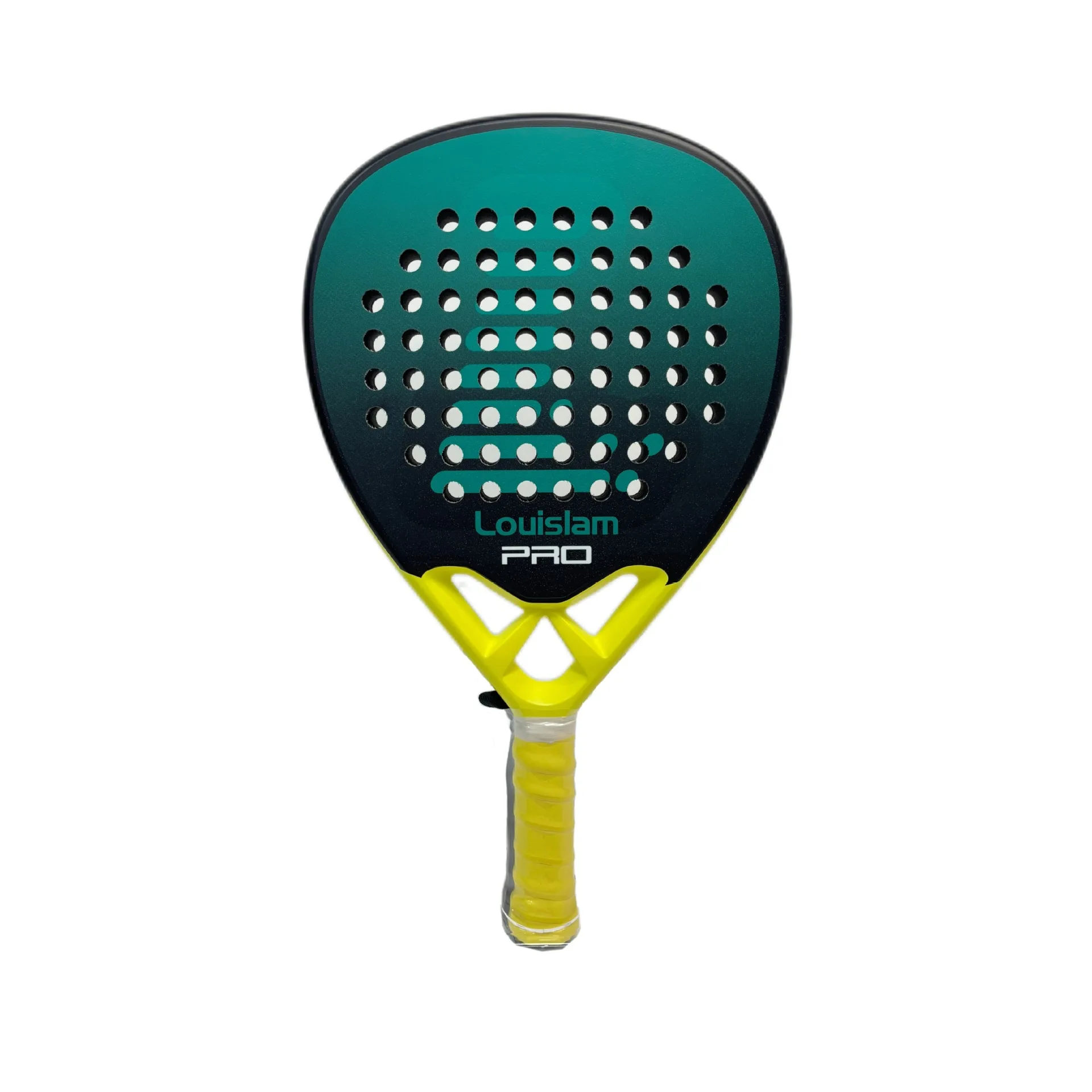
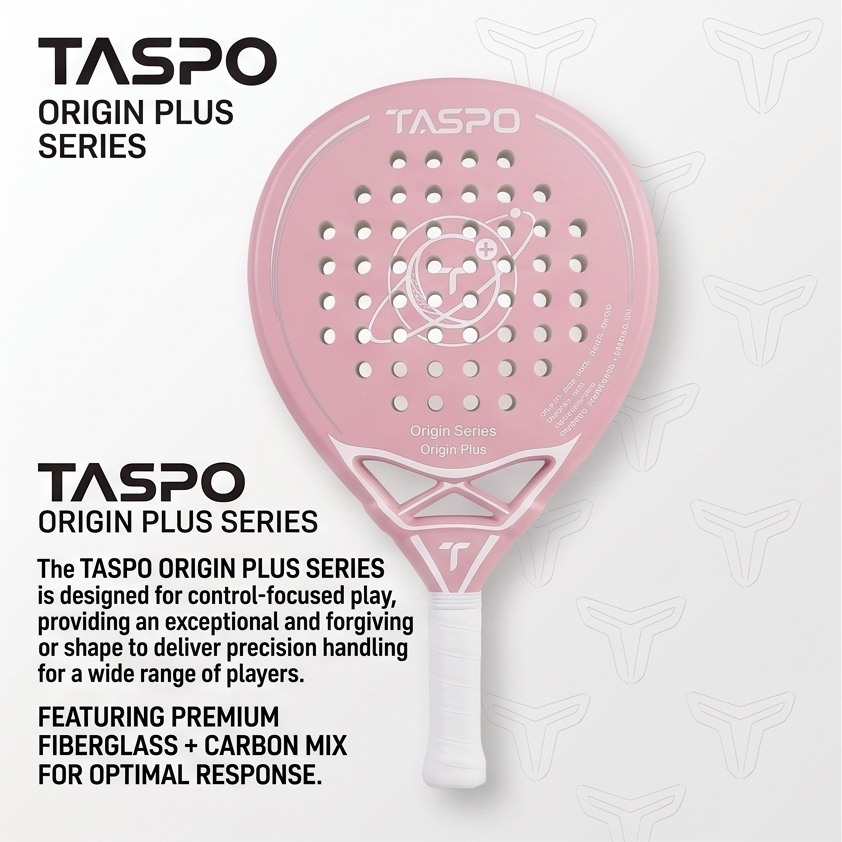
In competitive paddle sports, victory is often determined by milliseconds of control and millimeters of ball clearance. Over the past few seasons, modern pickleball has evolved from a game of simple positioning into a tactical war of spin and pace. At the absolute center of this technical evolution is the science of paddle face friction. Understanding why surface texture matters begins with the microscopic interaction between the ball and the paddle face. When a perforated polymer ball strikes a paddle, it stays on the surface for approximately three to four milliseconds. During this microscopic contact window, the friction coefficient determines whether the ball slides across the face or catches on the material. Advanced pickleball paddle engineering focuses on maximizing this dwell time, allowing the textured surface to grip the smooth plastic of the ball. By converting forward kinetic energy into rotational velocity, players can achieve spin rates exceeding 1500 revolutions per minute. Integrating an optimized pickleball paddle surface texture gives athletes the mechanical advantage needed to generate heavy topspin drives that dip sharply inside the baseline, completely neutralizing defensive opponents.
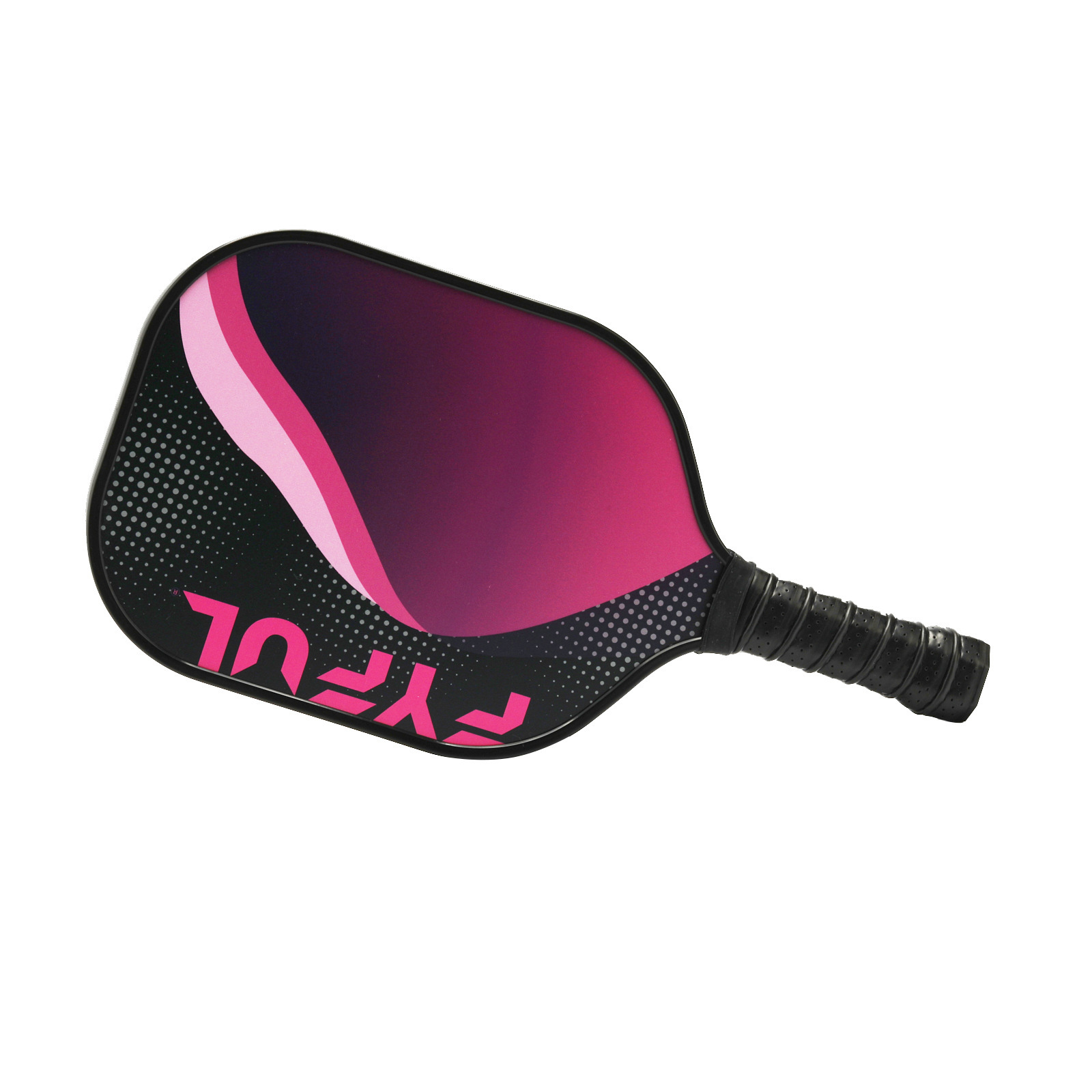
While increasing surface friction provides undeniable competitive advantages, sports engineers must operate within strict legal boundaries. Governing bodies like USA Pickleball have established rigorous testing protocols to prevent equipment from altering the competitive balance of the game. Professional testing laboratories utilize digital surface roughness testers to measure parameters such as average roughness and peak-to-valley profile height across the face. Any custom pickleball paddle submitted for tournament approval must pass these objective friction assessments without exceeding established limits. Designing within these strict tolerances requires sophisticated pickleball paddle engineering that balances aggressive ball bite with legal compliance. If a paddle is engineered with erratic grit, it risks immediate disqualification during pre-tournament inspections. Therefore, leading sports brands prioritize repeatable manufacturing processes that deliver legal friction profiles across high-volume production runs. Achieving this consistency is critical for maintaining professional credibility, ensuring that tournament players can rely on their gear during sanctioned championship play without worrying about rule violations.
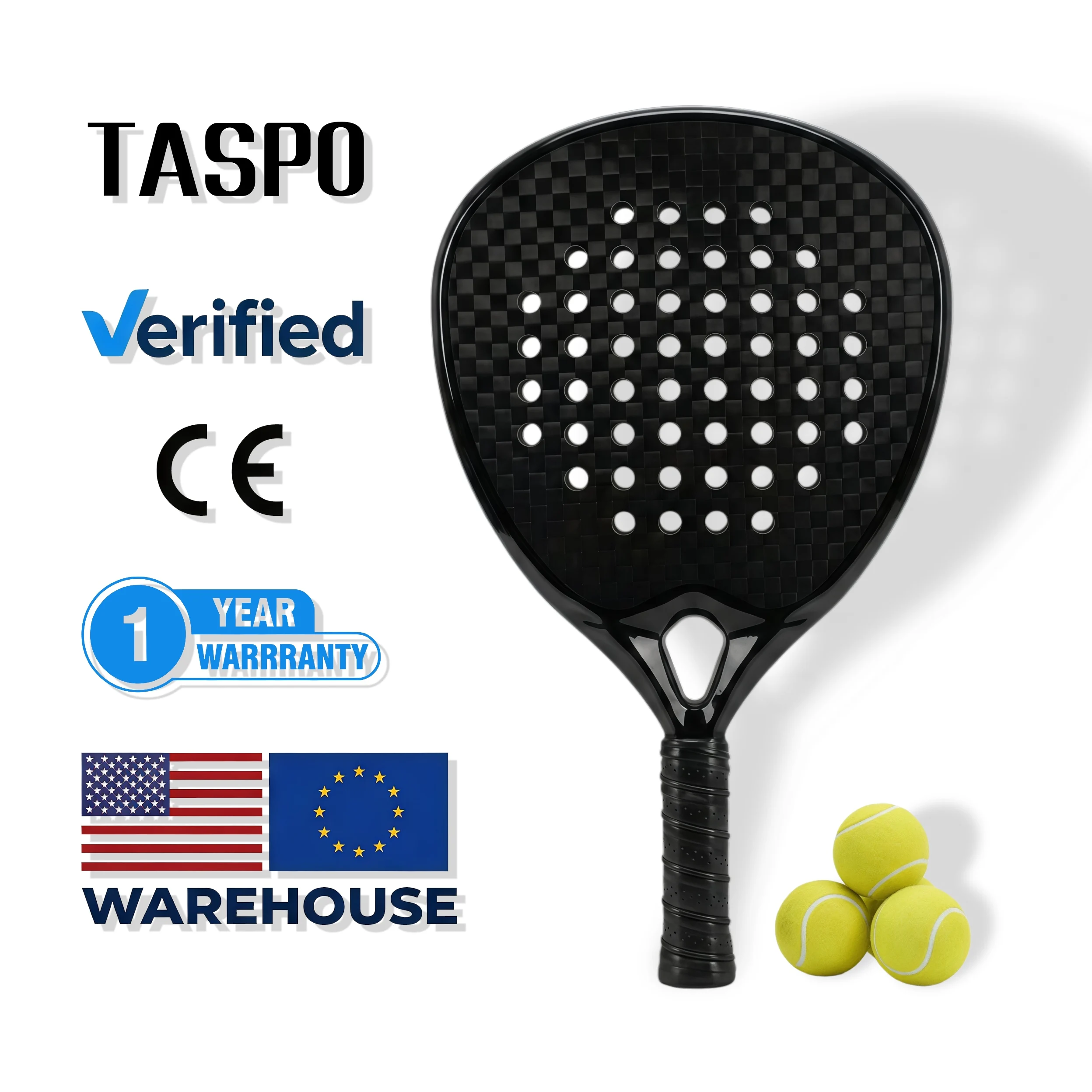
The pursuit of durable friction has triggered significant manufacturing advancements in paddle face materials. Early paddle designs relied heavily on spray-on grit or textured epoxy coatings applied directly over basic composite sheets. While these surface treatments offered impressive initial grip, they suffered from rapid physical degradation. After several weeks of aggressive tournament play, the applied particles sheared off, leaving dead, slippery zones that drastically reduced the pickleball paddle spin rate. Modern performance brands have solved this problem by switching to a raw carbon fiber paddle constructed from high-grade carbon fabrics. In these premium designs, the mechanical friction is not an added coating; it is an inherent property of the textured carbon weave itself. Utilizing untreated T700 carbon fiber allows the multidirectional fiber bundles to grip the ball naturally. Advanced pickleball paddle engineering ensures that this structural weave resists mechanical wear and UV degradation, providing long-lasting friction that maintains consistent playing characteristics across hundreds of competitive matches.
On the court, the tactical value of a refined paddle face is felt across every style of play. For baseline power drivers, brushing up on the ball with an engineered raw carbon fiber paddle imparts heavy topspin. This topspin generates aerodynamic downward force, allowing players to swing aggressively while keeping the ball safely inside the court lines. In non-volley zone exchanges, surface texture is equally decisive. Executing backspin dinks or roll volleys requires a predictable ball bite to manipulate trajectory over the net. A custom pickleball paddle featuring consistent grit allows players to slice under the ball with surgical touch, imparting sharp backspin that keeps the bounce low and awkward for opponents. Furthermore, players who switch from traditional tennis to pickleball often demand a higher pickleball paddle spin rate to mirror their existing stroke mechanics. Having an optimized pickleball paddle surface texture bridges this technical gap, giving athletes the confidence to attempt aggressive angles and roll volleys from below net height without fearing unforced errors.
Translating theoretical surface physics into tournament-ready equipment requires advanced manufacturing facilities and meticulous quality control protocols. For sports equipment brands, achieving consistent friction across thousands of manufactured units is a major operational challenge. Delivering premium custom pickleball paddle solutions requires precision thermoforming molds, automated temperature regulation, and specialized cleanroom laminating environments. As a premier global sporting goods manufacturer, Taspo Sports has established itself as an industry leader in cutting-edge composite production. Through continuous material research and precision molding technology, Taspo Sports produces raw carbon fiber paddle designs that maximize pickleball paddle surface texture while adhering strictly to international tournament regulations. By partnering with Taspo Sports, sporting brands gain access to comprehensive OEM and ODM solutions, including custom edge-guard engineering, core calibration, and bespoke surface texturing. This world-class manufacturing expertise empowers private labels to elevate their custom pickleball paddle performance, delivering exceptional control, explosive spin, and lasting durability to players worldwide.
 Hot News
2026-11-20
2026-11-20
2026-11-20
2026-11-20
2026-11-20
2026-11-20
 EN