 EN



Padel Racket Manufacturing Standards for OEM Brands
A sample that looks right is only the starting point for a brand. The harder question is whether the next padel racket, and the batch after that, will match its approved weight, feel, finish and safety details. For an OEM buyer, a practical standard is a written agreement that connects the design to measurable checks, traceable materials and a clear release decision.
This guide separates the rules of play from the manufacturing limits a brand negotiates with its supplier. Neither a material label nor a product photograph proves that a production padel racket meets a specification. Ask for the drawing, sample record and inspection method before committing artwork or packaging.
Start with the applicable playing rules
The International Padel Federation (FIP) rules published in December 2025 specify a maximum overall length of 45.5 cm, maximum width of 26 cm and maximum thickness of 38 mm. The document also states that a 2.5% thickness tolerance is allowed when controlling measurements. Its equipment rules describe a non-elastic wrist cord fixed to the handle, with a maximum length of 35 cm.
These are rules of play, not a complete factory quality system. For a padel racket intended for a particular competition, confirm the current rule version and any event-specific requirements with the relevant organizer. Record how the factory measures each dimension and whether accessories are present during measurement. A conservative internal target can leave room for variation, but it must be agreed rather than treated as an additional FIP rule.
Turn the design into an approved specification
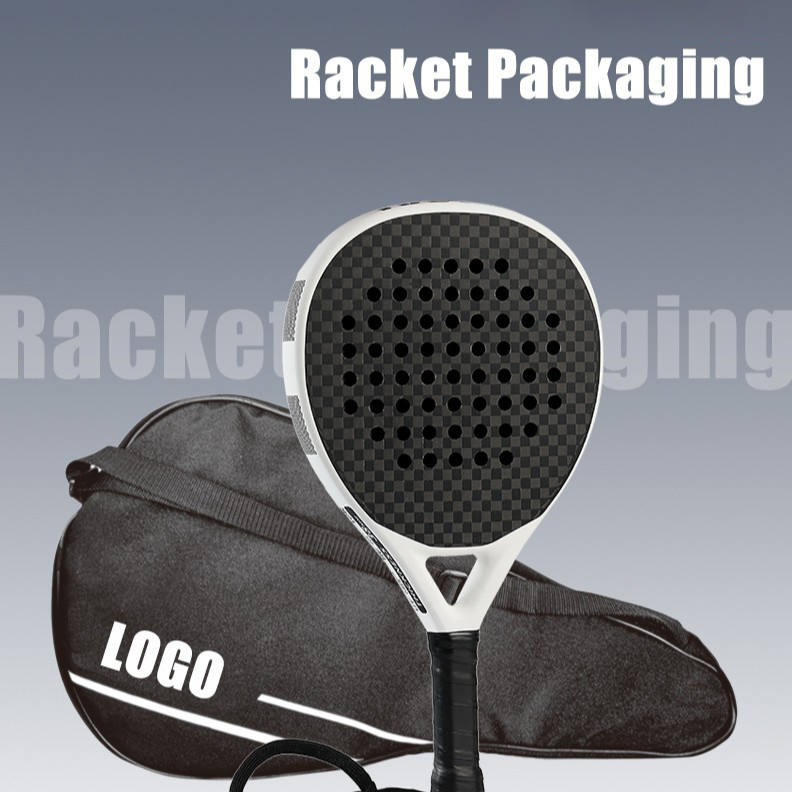
A useful padel racket specification identifies the drawing revision, head shape, hole layout, grip dimensions, finished mass and balance measurement method. Add numerical targets and tolerances only after the brand and manufacturer agree on them. Record the configuration being weighed: an overgrip, protective film or packaging can change the result.
Define the intended user and playing character before selecting materials. A project described as a padel racket pro line may aim for a different balance of response and comfort than a recreational range. Treat that label as positioning, not as a verified performance grade. Agree how the sample will be assessed on court, who provides feedback and what would justify another sample.
- Drawing and materials: record the frame and face construction, foam core specification, surface finish and approved suppliers or substitutions.
- Measurements: define the instruments, points of measurement, sample size, units and allowable range for each critical characteristic.
- Appearance: approve the artwork file, color reference, logo placement and examples of acceptable cosmetic variation.
- Safety and packing: specify cord attachment, protective packing, identification and any test method required by the order.
For example, a buyer may approve two similar samples that feel different because their balance points differ. Recording the measurement location and target range makes the distinction actionable; a note saying “good feel” does not.
Understand materials without treating them as proof
A padel racket can combine a foam core with a composite frame and faces. Published research on composite racket production describes the use of carbon and glass fiber materials, including pre-impregnated forms. The actual construction, resin system and process vary by design and supplier. A carbon weave designation alone does not establish durability, stiffness or player response.
Ask the manufacturer for a bill of materials and a cross-section or layup description appropriate to the project. The brand should know which details are approved, which are confidential and which can be changed only after written authorization. A sample made with an alternate foam or face material should be identified as a new configuration, even when its graphics are unchanged.
Incoming material checks
For each padel racket production run, agree how fiber, resin, foam, grip and cord lots are identified. Supplier documents and incoming inspection records can show whether the delivered material matches the agreed designation. If the team checks thickness, appearance or storage conditions, write down the method and limits. A material certificate is useful evidence of the supplied material, but it is not a finished-product performance test.
Control production at the points that matter
Composite fabrication may involve preparing material layers, positioning them around a core, molding, drilling and finishing. The exact sequence depends on the process. Before approving a padel racket order, ask which operations are used and which settings are controlled, including documented process conditions and tool or mold identification.
During layup and molding, establish how the factory records the material configuration and checks the positioning of components. After molding and finishing, inspect edges, holes, face surfaces and the handle area against an approved reference. Agree how visible damage, loose material, voids or finish defects are classified; do not rely on an undefined promise of “premium quality.”
Production records should link each padel racket lot to the drawing revision, relevant material batches, work order and inspection results. If a mold, material or process changes, the supplier should notify the brand and obtain approval before the changed item enters the order. Retain a reference sample under agreed conditions so later checks have a comparison point.
Choose tests and acceptance criteria together
Testing is useful only when the procedure is repeatable and the acceptance threshold is agreed before the assessment. For a padel racket, a purchase agreement can include dimensional checks, mass and balance measurements, visual inspection, cord attachment assessment and selected functional tests. The parties should define the equipment, setup, number of samples, pass criteria and how failed items are handled.
Impact, flex or durability assessments may help compare versions, but a test result applies to the tested configuration and method. Do not present it as proof of universal playing performance. Ask whether the report is an internal check or an independent laboratory report, when the samples were made and whether the report identifies the same design revision as the goods ordered.
| Checkpoint | Evidence to request | Decision |
|---|---|---|
| Pre-production sample | Signed specification, photos and measurement record | Approve or revise the reference |
| Incoming materials | Lot identification and agreed supplier documentation | Accept or hold material for review |
| In-process inspection | Work order, process records and defect log | Correct or isolate affected items |
| Finished lot | Sampling plan, measurements and visual results | Release, rework or reject by agreement |
State the sampling method and acceptable defect limits in the purchase contract. A failed check should trigger an investigation and a documented disposition, not an automatic claim that the entire production system is defective. Decide who pays for retesting, who authorizes rework and how a second inspection is recorded.
Protect artwork and control commercial claims
Brand owners need a padel racket that is consistent on the shelf as well as on court. Approve print files, placement and packaging against the reference sample, and agree how revisions are communicated. Record who owns the artwork and what happens to excess branded stock or rejected components. Those are commercial terms to settle with the supplier, not assumptions about a factory's standard service.
Some searchers use phrases such as “nox padel racket sale” when comparing retail offers. That search intent is not evidence of an OEM relationship with another brand. Avoid using another company's name, artwork or product photographs in your own packaging unless you have the necessary rights. Likewise, do not claim that a padel racket is certified or tournament-approved without matching documentation for the actual model and market.
Questions to send before placing an OEM order
- Which version of the padel racket drawing and bill of materials will govern the order?
- How are overall dimensions, mass and balance measured, and what are the agreed acceptance limits?
- How are the wrist cord, face finish and hole edges checked on the finished sample?
- What lot records connect the goods to materials, production conditions and inspection results?
- Which tests are included, who performs them, and what happens after a failed result?
- What changes require written approval, and how are reference samples and artwork controlled?
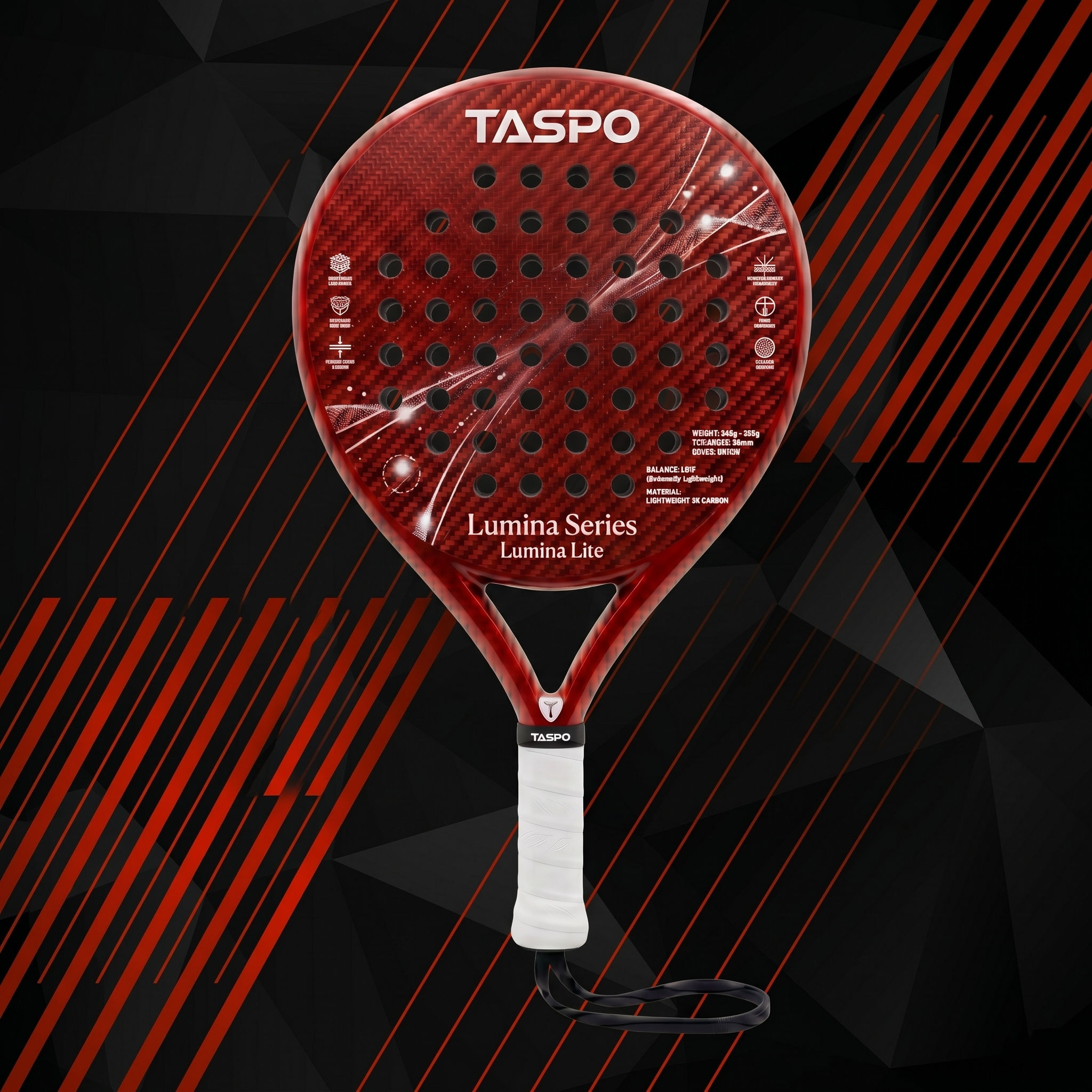
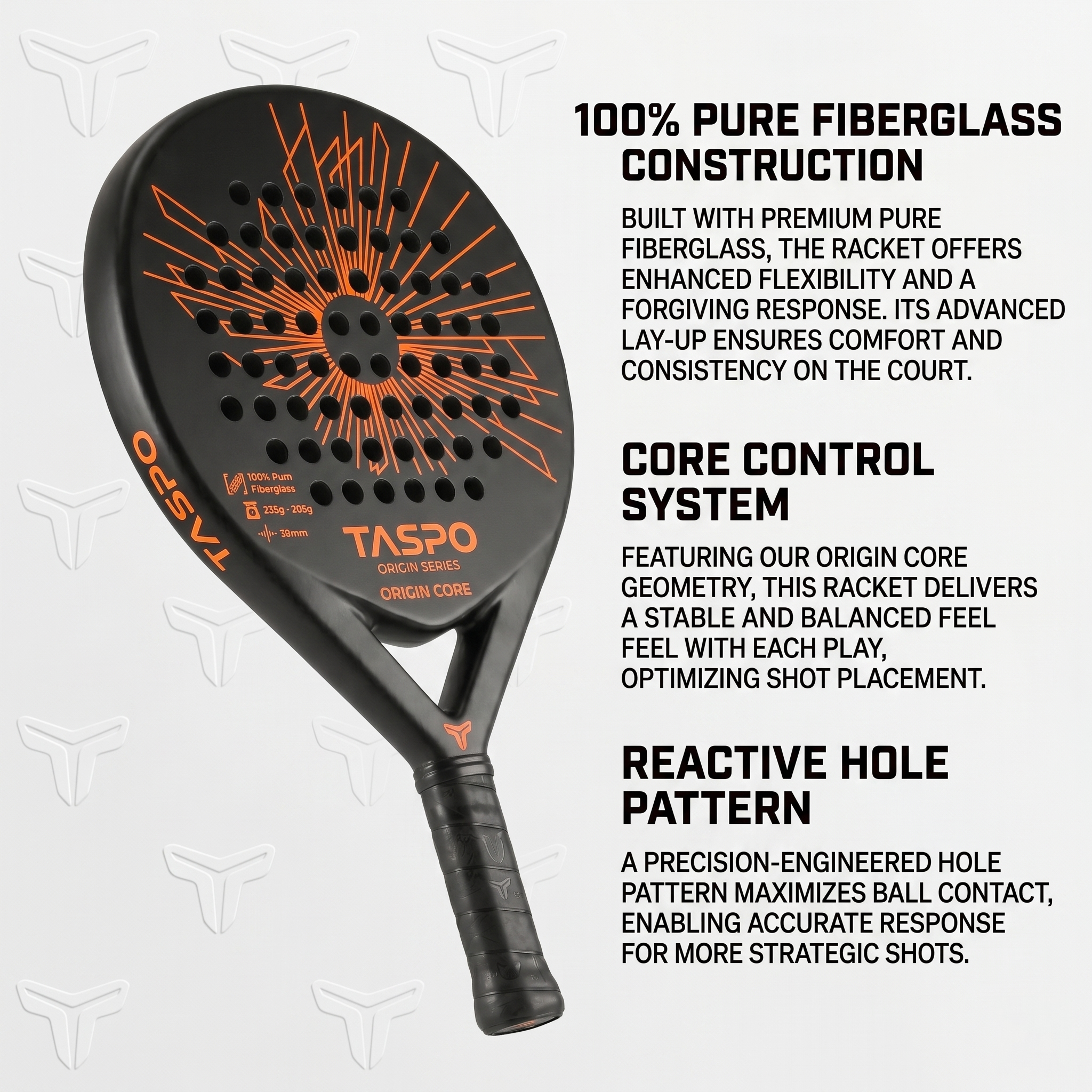
Use the answers to build a specification that both teams can sign before production. Taspo Sports lists padel equipment among its product categories; brands can use the Taspo Sports website as a starting point for a discussion. Ask for model-specific specifications and evidence rather than assuming any particular material, certification or testing service is available.
 Hot News



