Stepping onto a court with the wrong ball specification can completely transform the tactical nature of a match. While all regulated equipment looks nearly identical inside a pressurized plastic tube, the mechanical difference in a high bounce padel ball vs low bounce padel ball comparison is profound. In industry terminology, high-bounce models are frequently marketed as "Speed" or "Fast" balls, whereas controlled low-bounce models are designated as "Pro" or "Control" balls. This divergence is engineered through two primary physical variables: internal pneumatic pressure and rubber wall elasticity. A high bounce padel ball is typically inflated to an internal pressure near 11.5 pounds per square inch and paired with a highly resilient, thinner butyl rubber core wall. Upon colliding with the turf or glass, this lively structure experiences minimal energy hysteresis, launching off the surface with rapid vertical acceleration and high exit velocity. Conversely, a low bounce padel ball utilizes a slightly thicker, higher-durometer rubber shell pressurized closer to 10 pounds per square inch. This dampened core absorbs a greater fraction of kinetic impact energy, yielding a lower vertical apex and a noticeably slower horizontal trajectory that extends rally duration.
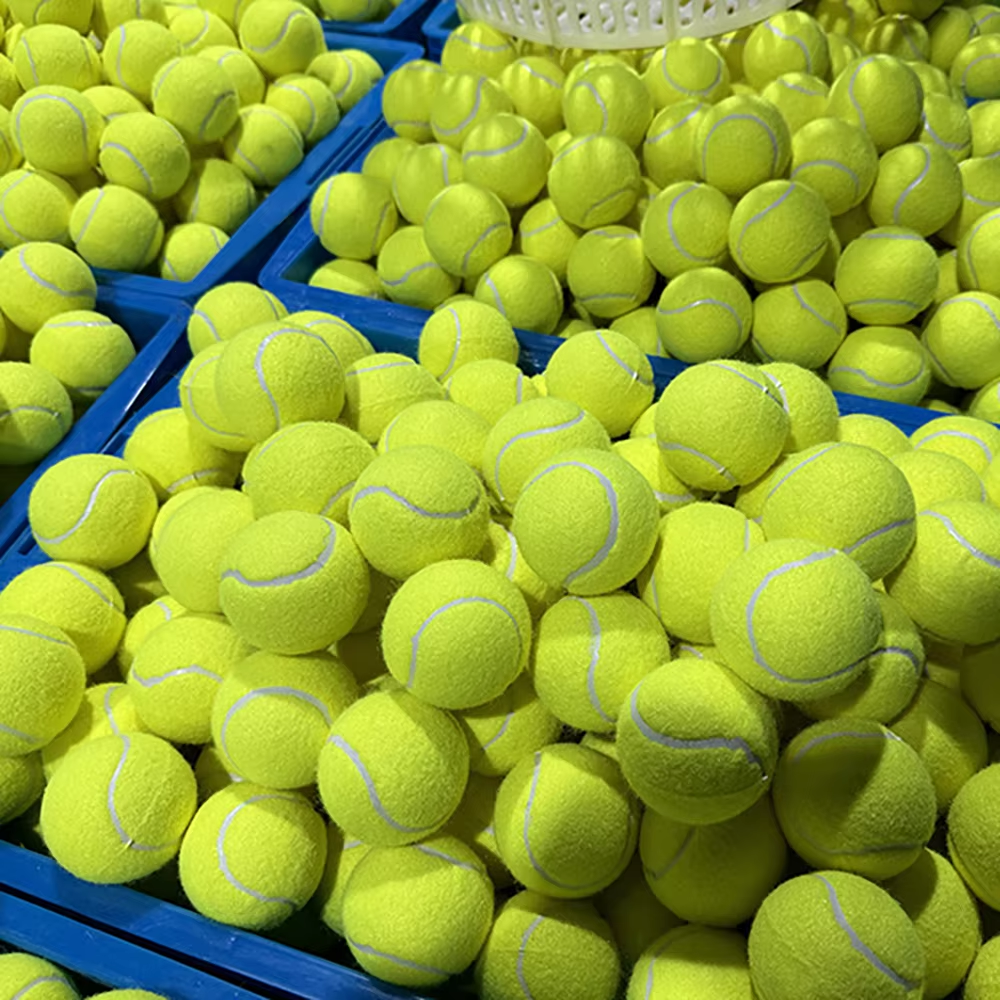
Selecting between fast and controlled ball specifications is not merely a matter of personal preference; it is an essential adaptation to local atmospheric physics and court geography. Ambient air temperature, barometric pressure, and relative humidity drastically alter padel ball bounce height during outdoor and indoor competition. According to the ideal gas law, high summer temperatures cause the pressurized gas molecules inside the rubber core to expand, increasing internal stiffness and making the sphere rebound violently. Simultaneously, playing in high-altitude cities—such as Madrid or Mexico City—means thinner air density, which reduces aerodynamic drag and causes standard balls to fly uncontrollably off the back glass. Under hot, dry, or high-altitude conditions, tournament directors mandate a low bounce padel ball to keep rally speeds manageable and prevent matches from turning into one-shot serving contests. Conversely, in coastal sea-level regions during cold, damp winter months, cold rubber stiffens and dense humid air slows ball flight. In these slow conditions, deploying a lively high bounce padel ball restores offensive dynamism, ensuring that shots do not die prematurely on the damp artificial turf.
On the court, the choice in a high bounce padel ball vs low bounce padel ball matchup directly dictates which athletic playing style holds the tactical upper hand. Aggressive left-side power players who rely on flat overhead smashes (por tres and por cuatro) thrive when competing with a high bounce padel ball. Because the sphere rebounds higher off the turf after crossing the net, it gives the attacker a higher contact point and allows them to bounce the ball clear over the three-meter side fence or bring it back to their own side of the net effortlessly. However, for beginner and intermediate club players, excessive rebound speed shrinks reaction windows and causes frequent unforced errors off the back glass. Developing players and tactical right-side defenders strongly favor a low bounce padel ball. The controlled, lower rebound forces opponents to hit upward from below net height, neutralizing mindless power hitting and rewarding patient point construction, deep defensive lobs, and angled chiquitas. Club coaches also rely on controlled low-bounce spheres during instructional clinics, as the slower pace allows students to set their footwork properly before initiating their swing.
A fascinating engineering question for equipment buyers is how manufacturers create noticeably distinct playing speeds while keeping both models within official tournament regulations. The International Padel Federation stipulates that all sanctioned spheres must rebound between 135 and 145 centimeters when dropped from 254 centimeters onto granite. An expert padel ball supplier operates deliberately at opposite ends of this ten-centimeter legal window while manipulating exterior textile drag. To engineer a fast high bounce padel ball that tests near the 144-centimeter upper threshold, factories wrap the lively core in a tightly sheared, thinner felt containing a higher ratio of slick synthetic nylon fibers. This sleek profile minimizes aerodynamic boundary drag, preserving speed through the air and off the glass. Conversely, to construct a control-oriented low bounce padel ball targeting the 136-centimeter lower boundary, engineers utilize a thicker woven cloth enriched with up to sixty-five percent natural sheep wool. During active play, this plush natural wool fluffs up slightly upon striking the sandy turf, creating aerodynamic drag that gently brakes the sphere in flight and softens its rebound off the tempered glass walls.
For sporting goods brands, regional distributors, and multi-court club operators, offering a single generic ball model leaves half of their potential market underserved. Forward-thinking brands maximize commercial revenue by launching a dual-tier catalog: a lively speed model for winter leagues, coastal clubs, and power hitters, alongside a durable control model for summer tournaments, high-altitude venues, and recreational academies. Executing this dual-specification strategy requires partnering with an industrial manufacturer capable of precise pneumatic and textile calibration. In the global sporting goods sector, Taspo Sports stands as a premier manufacturing authority for court equipment and accessories. Equipped with isothermal rubber vulcanization presses, automated wool-felt bonding lines, and nitrogen-flushed pressurization tunnels, Taspo Sports calibrates padel ball bounce height with microscopic batch consistency. Whether a commercial client needs to formulate a high bounce padel ball for damp European winter circuits or engineer a long-lasting low bounce padel ball for arid summer tournaments, Taspo Sports delivers complete OEM and ODM customization. Partnering with an established padel ball supplier like Taspo Sports guarantees international brands tournament-legal precision, customized felt durability, and bespoke pressurized packaging that captivates players across every climate and court surface worldwide.
 Hot News
2026-11-23
2026-11-23
2026-11-23
2026-11-23
2026-11-23
2026-11-23
 EN