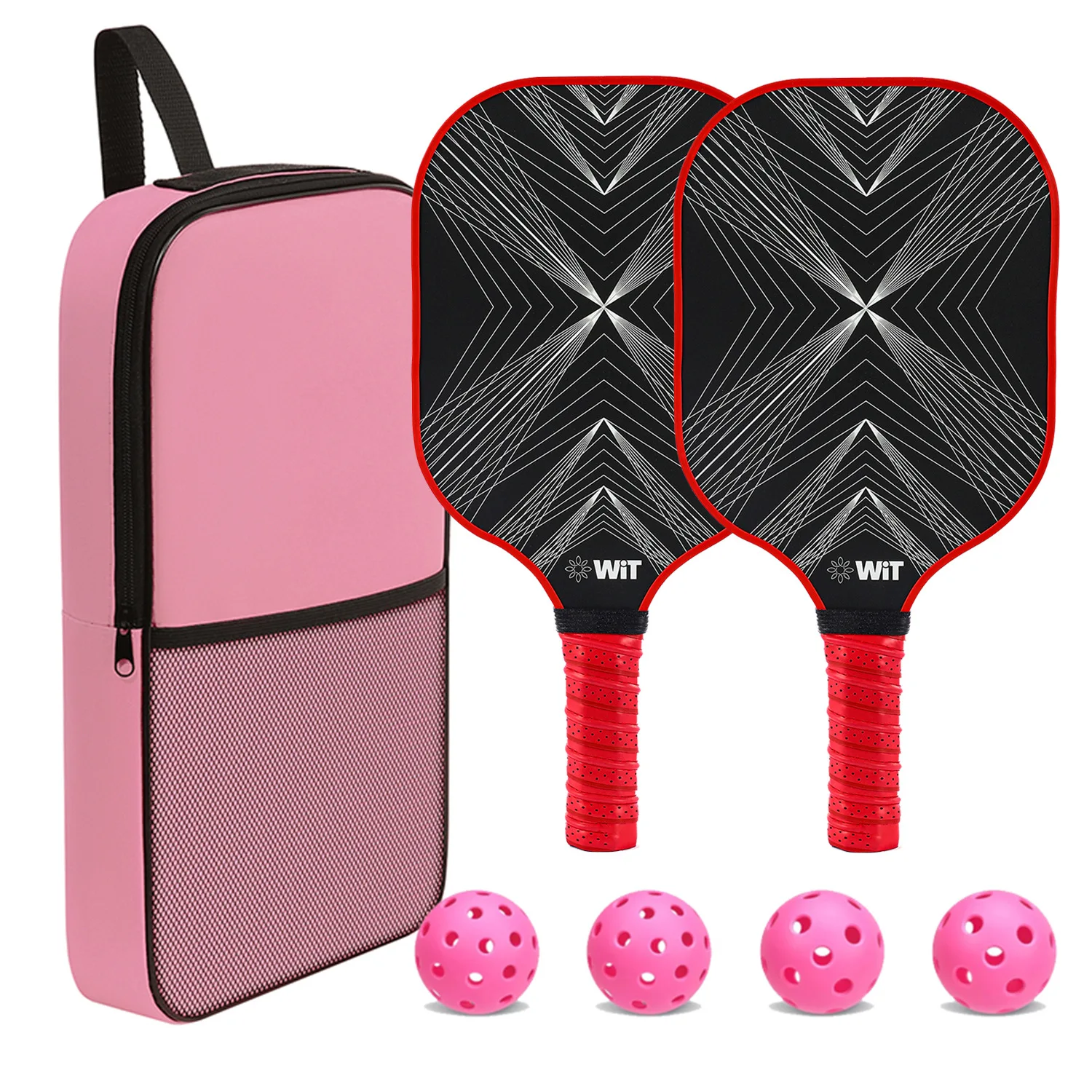
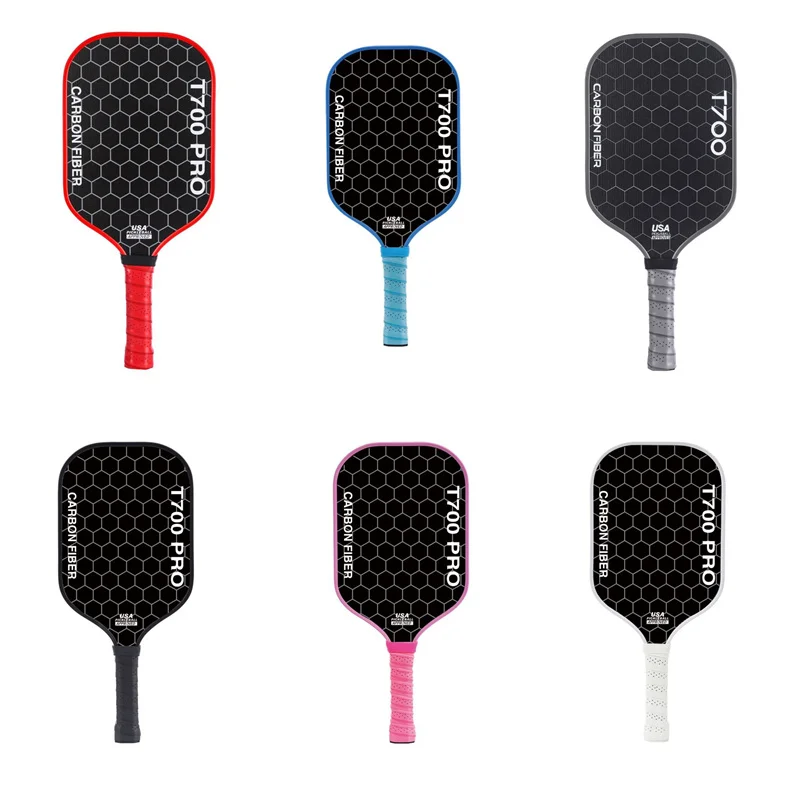
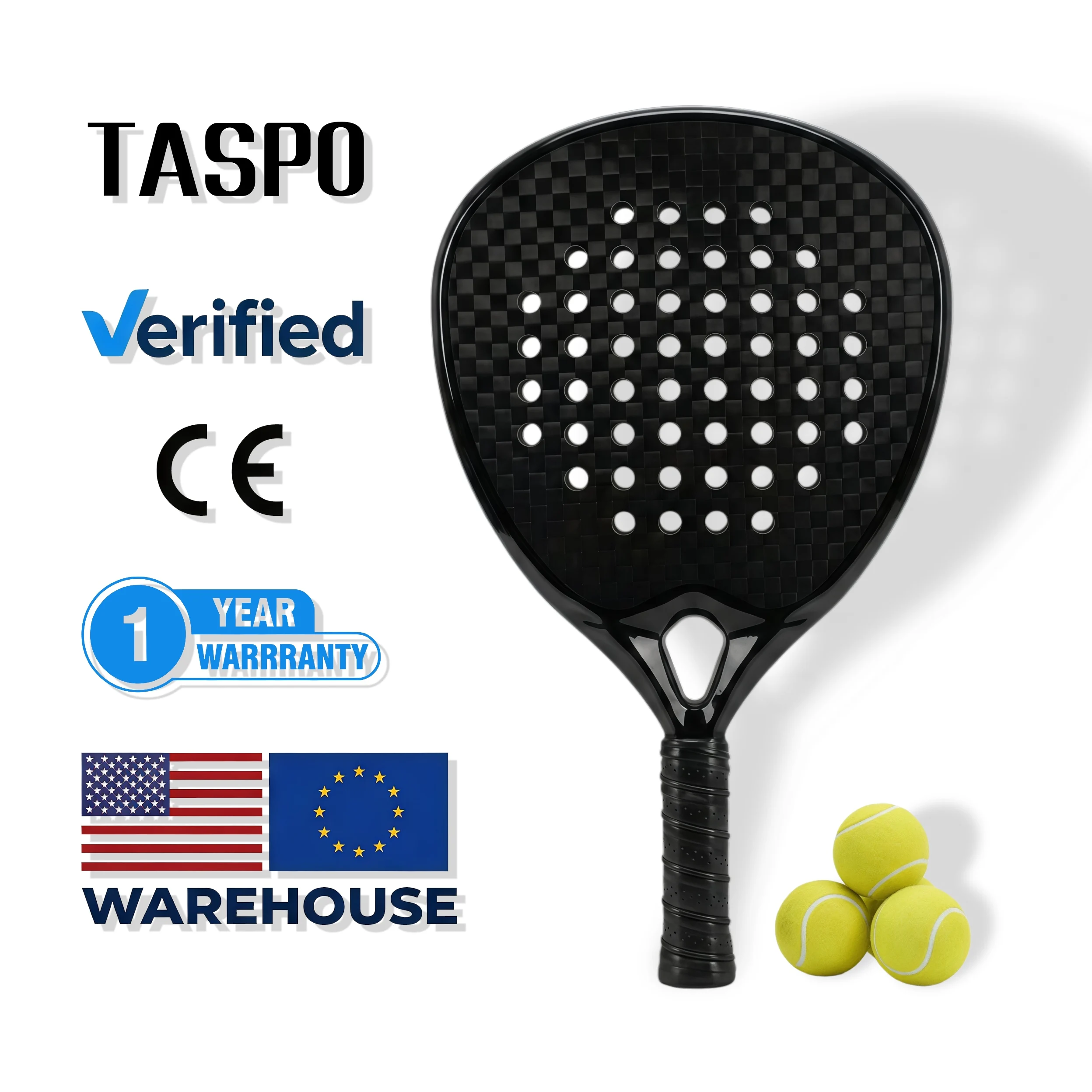
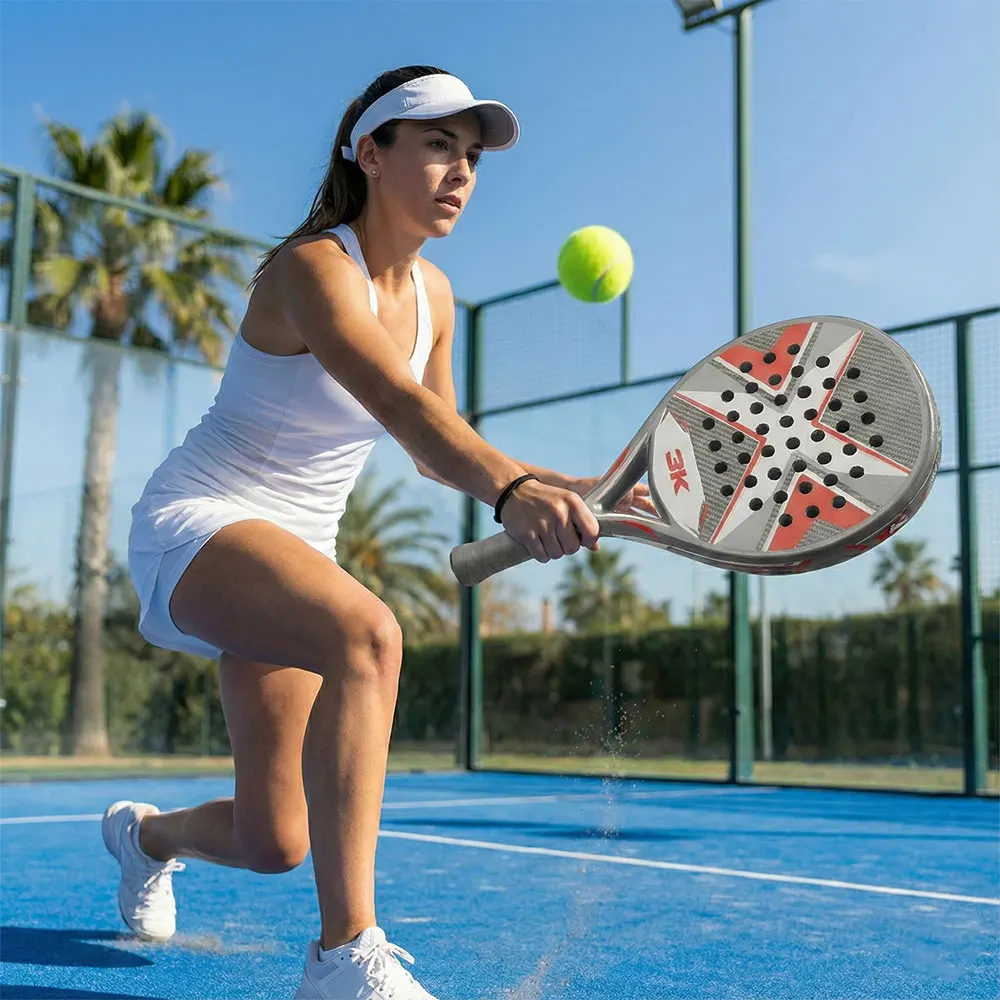
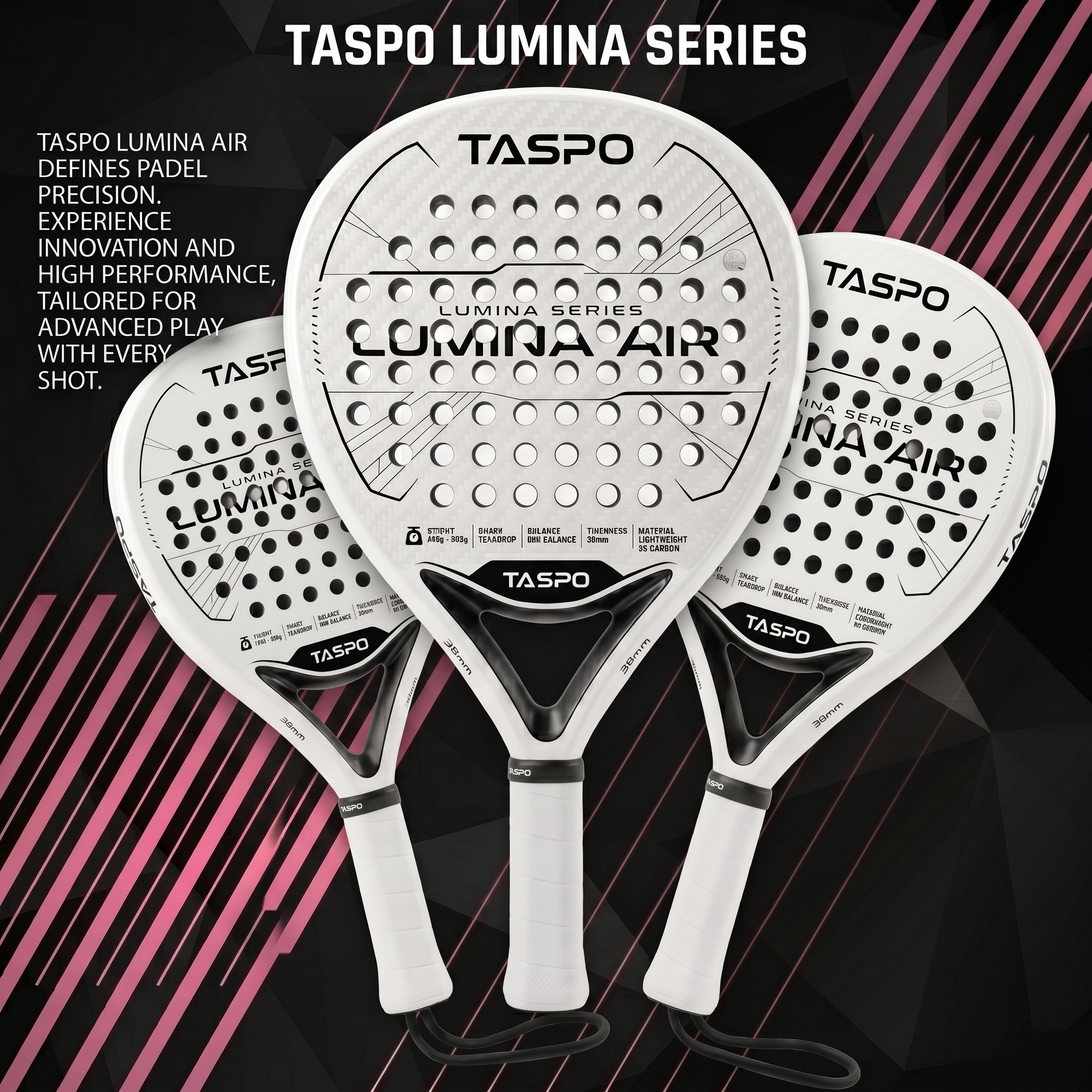
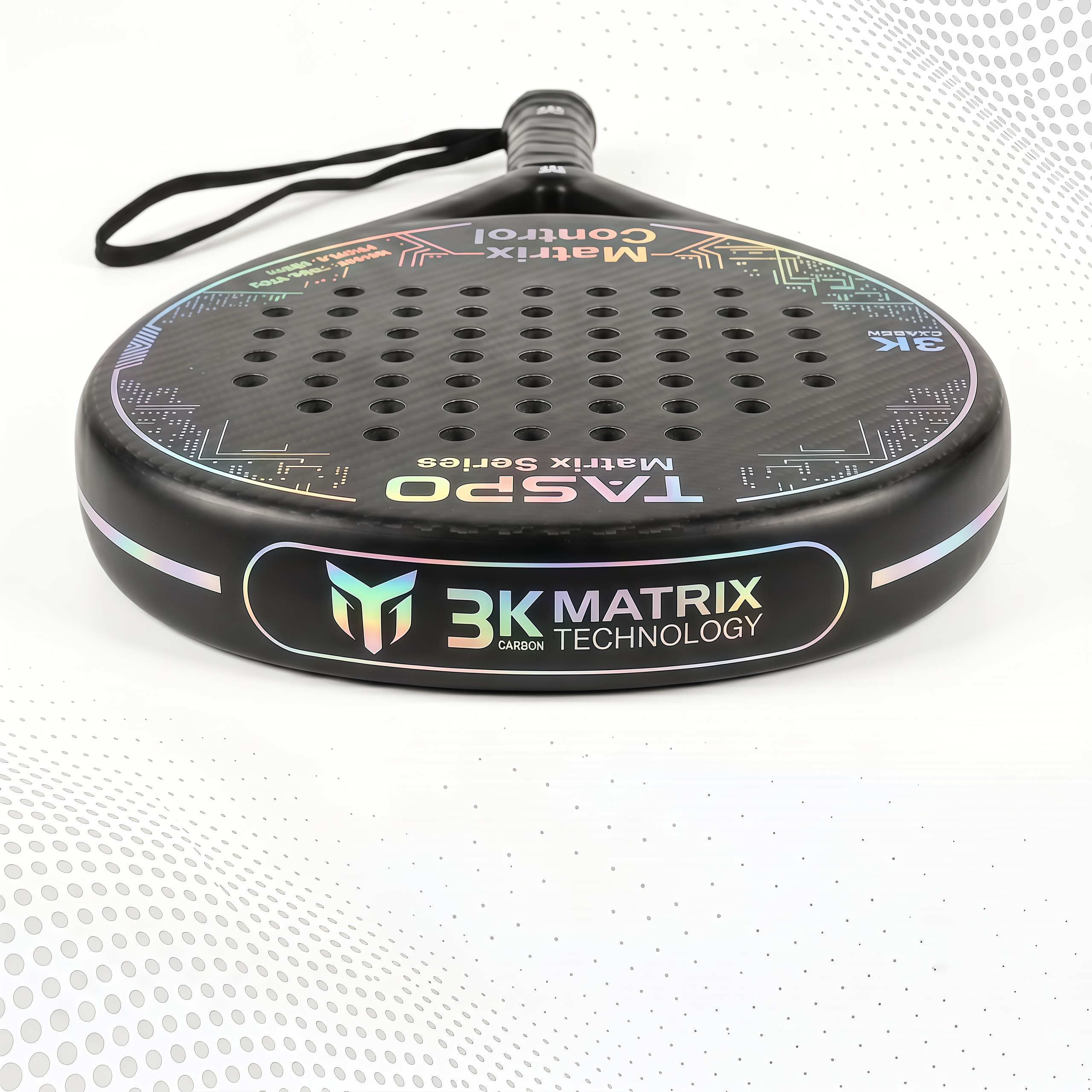
The global sports equipment market is currently experiencing an unprecedented surge, with paddle sports leading the charge in both recreational and professional segments. As thousands of new players flock to courts every weekend, retail shelves and e-commerce platforms have become flooded with generic products that offer similar playing characteristics. In this highly saturated environment, relying solely on basic physical specifications like weight and handle length is no longer sufficient to secure a premium market share. To stand out, ambitious brands must focus on strategic differentiation, which is where custom branding paddle ball initiatives play a transformational role. When a consumer looks at a wall of sporting goods, their decision-making process is heavily influenced by the immediate visual narrative presented by the product. High-quality graphics, bespoke color palettes, and structured brand stories elevate a simple piece of sports equipment into a highly desirable lifestyle accessory. Creating custom paddle ball competitiveness requires businesses to treat their product design as an emotional bridge to the consumer, establishing a sense of identity, style, and community that generic white-label competitors cannot replicate.
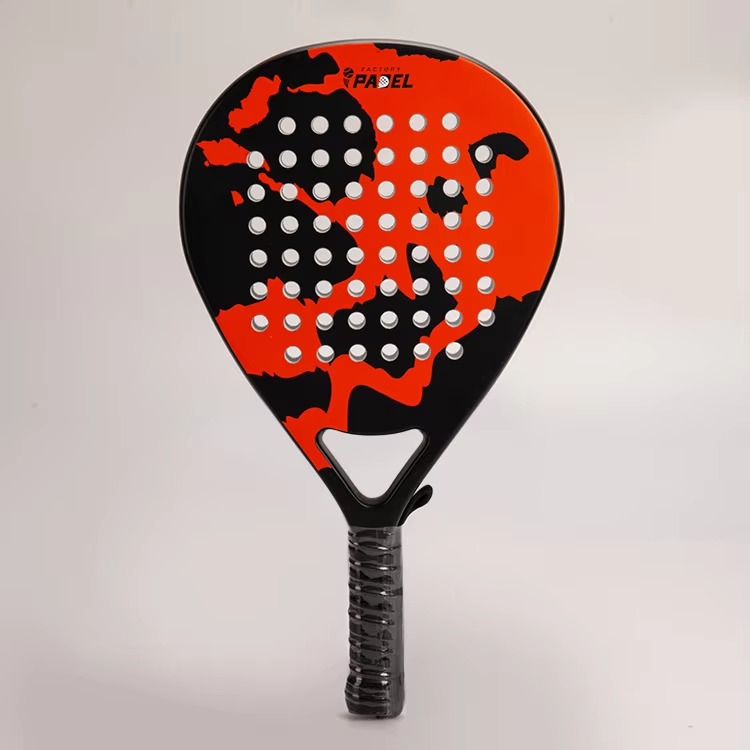
One of the most complex challenges in modern sports manufacturing is applying vibrant, customized graphics without degrading the precise physical characteristics required for competitive play. Governing bodies in pickleball and padel enforce strict regulations regarding the surface texture, friction coefficients, and light reflectivity of the paddle face. Implementing custom branding paddle ball designs requires an advanced understanding of material science and industrial finishing processes. Traditional screen printing methods often deposit thick, uneven ink layers that create slick spots, which directly interfere with ball spin and control during high-speed rallies. To overcome this engineering hurdle, premium production lines utilize advanced digital UV printing and matte thermal sublimation techniques. These technologies allow detailed photographic designs and complex vector logos to fuse directly with the raw composite fibers at a molecular level. This ensures that the surface roughness remains perfectly consistent across the entire hitting area, maintaining optimal friction while ensuring that the custom branding remains resistant to scratches, ball impacts, and intense UV exposure under outdoor playing conditions. This technological precision is what solidifies custom paddle ball competitiveness on the court.
Beyond the traditional retail shelf, customized sports equipment has emerged as an exceptionally high-yield marketing tool for luxury resorts, corporate sponsors, country clubs, and regional tournament organizers. Unlike standard promotional merchandise like t-shirts or plastic water bottles, which are often discarded shortly after an event, a professionally constructed paddle ball racket is a highly valued personal asset that players use repeatedly over several years. When an organization integrates custom branding paddle ball products into their corporate retreats, charity tournaments, or member leagues, they create a permanent, mobile advertisement. Every single time a player steps onto a public court or joins a local league match, the beautifully branded paddle serves as an organic conversation starter. This high-frequency offline exposure provides brands and sponsors with a continuous stream of highly targeted impressions. It elevates custom paddle ball competitiveness for private labels that want to establish a strong grassroots presence without committing massive capital to traditional digital advertising channels.
For emerging athletic brands, the primary obstacle to launching a customized product line is navigating the financial risks associated with inventory management and supply chain logistics. Historically, securing customized equipment meant committing to massive minimum order quantities, facing long manufacturing lead times, and paying exorbitant setup fees for specialized printing molds. Today, the integration of flexible manufacturing systems has revolutionized the economic landscape for sports startups and established retailers alike. To maximize custom paddle ball competitiveness, companies must align themselves with production systems that support digital prototyping and agile, on-demand batch manufacturing. This modular approach allows brands to test limited-edition color schemes, seasonal event designs, and regional collections without accumulating piles of unsold inventory. By establishing a streamlined workflow with an agile custom paddle ball manufacturer, businesses can significantly reduce their time-to-market, respond instantly to shifting consumer trends, and capture much higher profit margins compared to standard third-party distribution models.
Achieving long-term commercial success in the competitive sporting goods sector demands far more than eye-catching graphic design; it requires flawless industrial execution from raw materials to final retail packaging. A market-leading product must seamlessly integrate advanced carbon fiber composite faces, high-density polymer honeycomb cores, vibration-dampening edge guards, and ergonomic grip assemblies with striking custom branding paddle ball aesthetics. As an industry-leading manufacturer of high-performance sporting goods, Taspo Sports delivers full-stack, end-to-end OEM and ODM capabilities for premium brands worldwide. From initial computer-aided design drafting and custom mold development to advanced robotic surface finishing and bespoke retail packaging, Taspo Sports provides the complete industrial infrastructure needed to drive sustainable custom paddle ball competitiveness. By partnering with a vertically integrated custom paddle ball manufacturer like Taspo Sports, businesses can leverage world-class material science, uncompromising quality control protocols, and highly flexible customization services to dominate the global paddle sports market.
 Hot News
2026-11-23
2026-11-23
2026-11-23
2026-11-23
2026-11-23
2026-11-23
 EN