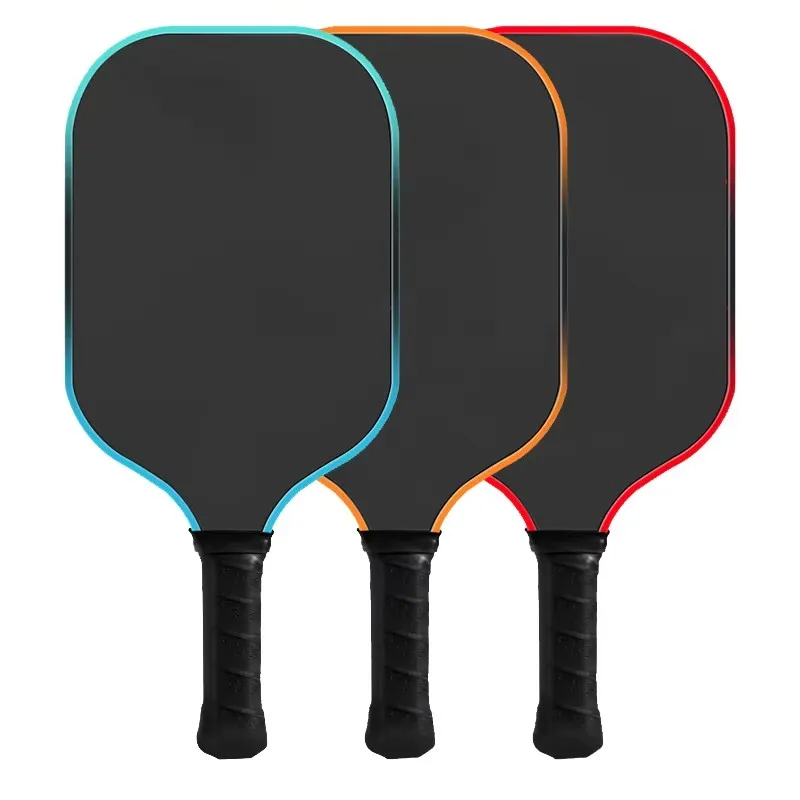
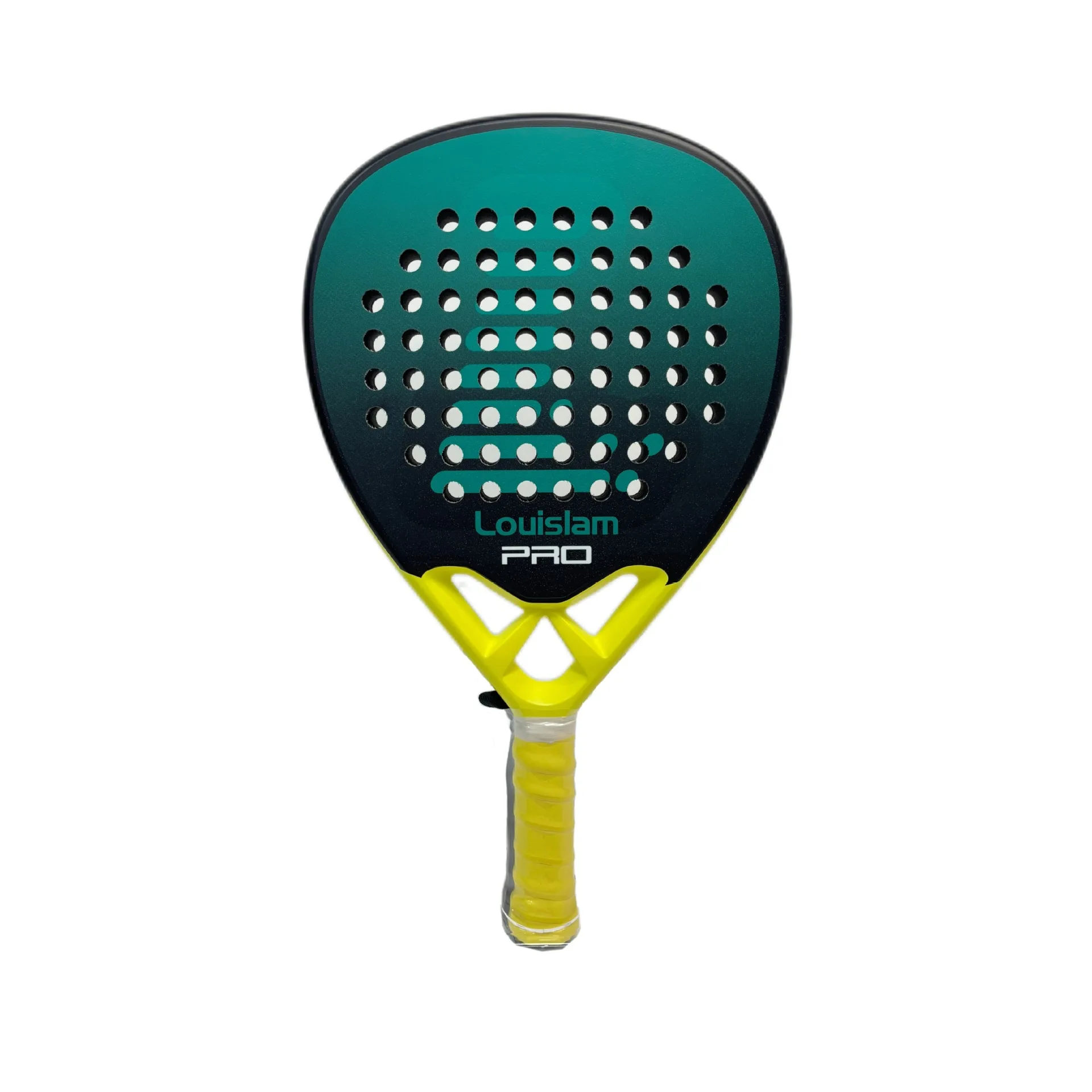
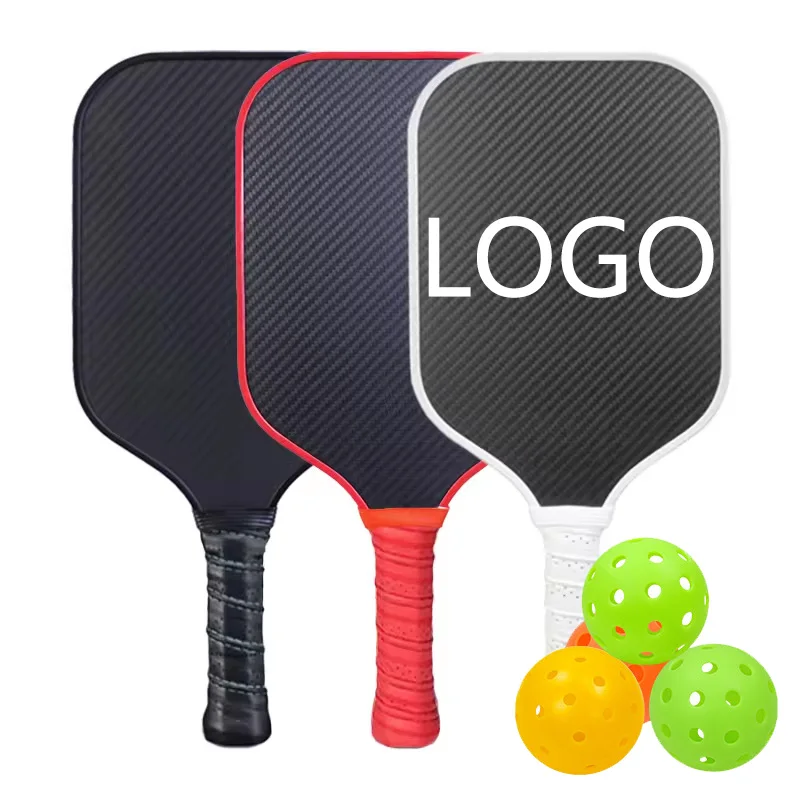
In the rapidly evolving world of paddle sports, pickleball has transitioned from a backyard pastime into a highly competitive global discipline. For competitive players and brand managers looking to capture market share, understanding the internal engineering of the equipment is paramount. The performance of any customized racket is primarily determined by its internal core material, which acts as the engine of the paddle. Most modern high-performance paddles rely on a polymer honeycomb core, typically constructed from high-grade polypropylene. This core structure is engineered to compress upon impact, absorbing kinetic energy and dispersing it across the entire frame. The physical behavior of this polymer matrix determines the coefficient of restitution, which directly dictates how much speed is transferred back to the ball. While Nomex cores offer extreme stiffness and a loud acoustic pop preferred by traditional power hitters, they often lack the control and vibration dampening required for precise kitchen play. Polypropylene honeycomb, with its hexagonal cell geometry, offers the optimal balance of energy absorption and elastic rebound, making it the undisputed foundation for custom pickleball paddle performance across professional tournament circuits.
One of the most persistent complaints among intermediate and advanced players is the lack of consistency during off-center hits. When a ball strikes near the edge of a standard paddle, the frame undergoes torsional twisting, resulting in a dramatic loss of power and erratic directional accuracy. Addressing this mechanical instability requires precise engineering of the core density and edge construction. To elevate custom pickleball paddle performance, manufacturers must focus on perimeter weighting and structural reinforcing. High-density edge foams injected into the outer chambers of the honeycomb core significantly increase the moment of inertia. This prevents the paddle from rotating in the player's hand during high-velocity volleys. Furthermore, varying the cell wall thickness of the internal honeycomb allows designers to expand the effective sweet spot toward the outer perimeter. By neutralizing these off-center "dead zones," players can execute aggressive resets and dinks with uniform tactile response, ensuring that control remains absolute regardless of where the ball contacts the face.
While the internal honeycomb core dictates the paddle’s dampening characteristics, the composite face material governs the immediate ball-strike feedback and rotational spin potential. Brand developers must strategically choose between carbon fiber and fiberglass surfaces to align with their target audience's playing style. Raw carbon fiber, specifically woven 3K or 18K weaves, provides incredible tensile strength and a lightweight profile. This stiffness allows the paddle to resist deformation, offering unmatched control and a soft feel that is highly prized in tactical, slow-paced dink rallies. Conversely, high-strength fiberglass faces offer greater elasticity, acting like a trampoline to generate explosive ball velocity for baseline power play. To maximize custom pickleball paddle performance, advanced engineering now blends these materials, creating hybrid composite faces that combine the grit and control of carbon fiber with the energy return of fiberglass. This material synergy allows competitive players to transition seamlessly from defensive soft blocks to aggressive, high-spin overhead smashes.
The manufacturing process utilized to fuse the core and face materials plays a massive role in the overall lifespan and responsiveness of a pickleball paddle. Traditional cold-pressing methods rely on heavy layers of liquid epoxy adhesive to bond the components, which often adds unnecessary static weight and creates rigid dead spots over time. The modern pinnacle of manufacturing technology is thermoforming, a process that utilizes heated molds and high-pressure compression to fuse the carbon fiber face, edge walls, and polymer core into a single, cohesive unit. This integrated hot-press curing cycle prevents delamination, a common failure point where the face separates from the core after repeated high-impact hits. Thermoformed paddles exhibit superior shear strength and structural integrity, ensuring that the paddle maintains its original flex profile and acoustic signature over hundreds of hours of intense tournament play. Investing in these advanced curing innovations is essential for any brand hoping to offer elite durability and retain consumer trust in a competitive market.
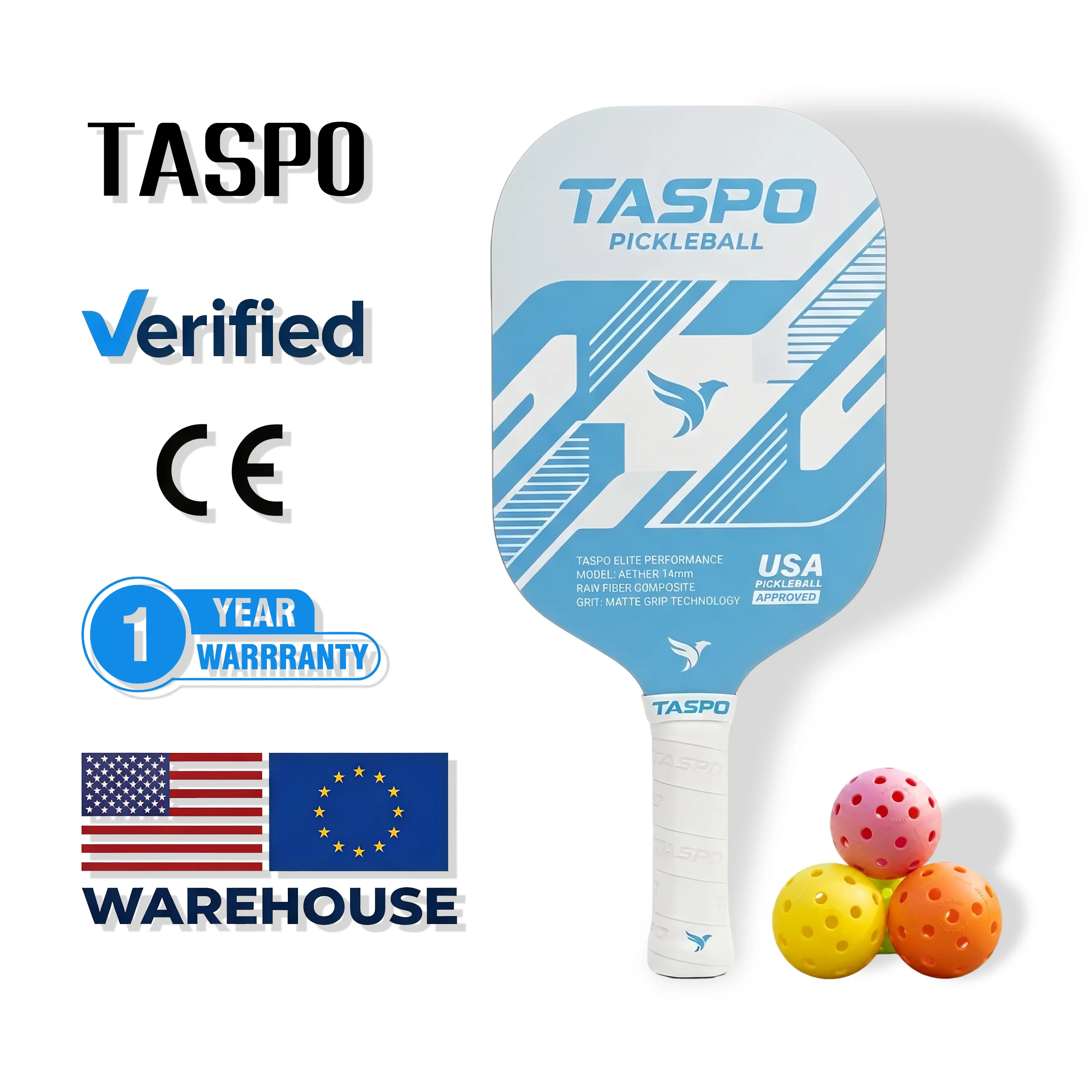
Translating cutting-edge material science into a commercially successful product line requires a manufacturing partner with world-class engineering capabilities and microscopic quality control standards. For premium sporting brands, consistency across production batches is the ultimate metric of success. Delivering exceptional custom pickleball paddle performance requires specialized machinery, climate-controlled storage for raw prepreg fibers, and laser-guided calibration systems. As a globally recognized manufacturer of high-end carbon fiber sporting equipment, Taspo Sports has set the benchmark for professional pickleball paddle production. With advanced thermoforming lines, custom composite layup molding, and rigorous mechanical stress testing, Taspo Sports provides the complete OEM and ODM infrastructure needed to bring visionary paddle designs to life. By partnering with Taspo Sports, global brands can leverage state-of-the-art research and development, custom surface grit customization, and bespoke industrial design to deliver paddles that offer unmatched power, surgical control, and elite durability on courts worldwide.
 Hot News
2026-11-20
2026-11-20
2026-11-20
2026-11-20
2026-11-20
2026-11-20
 EN