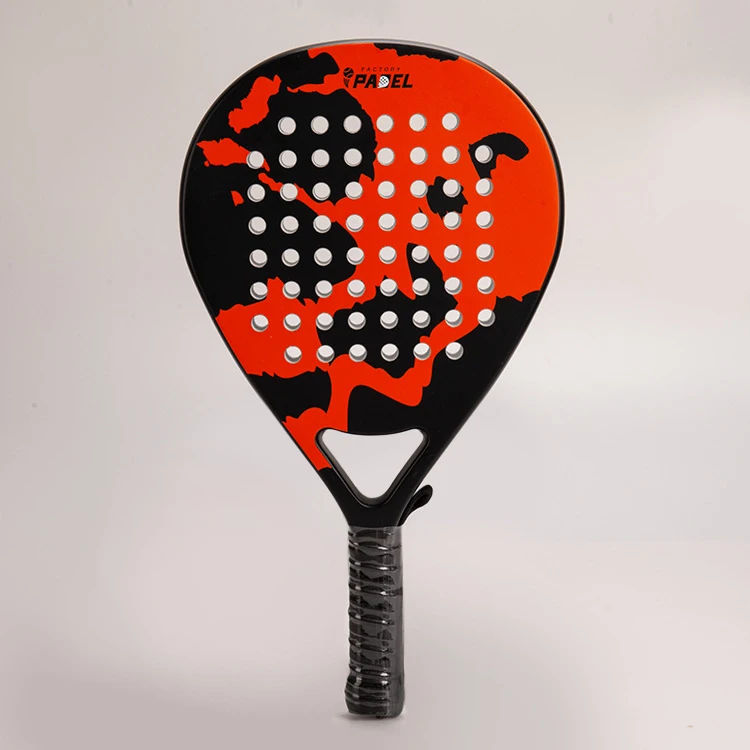
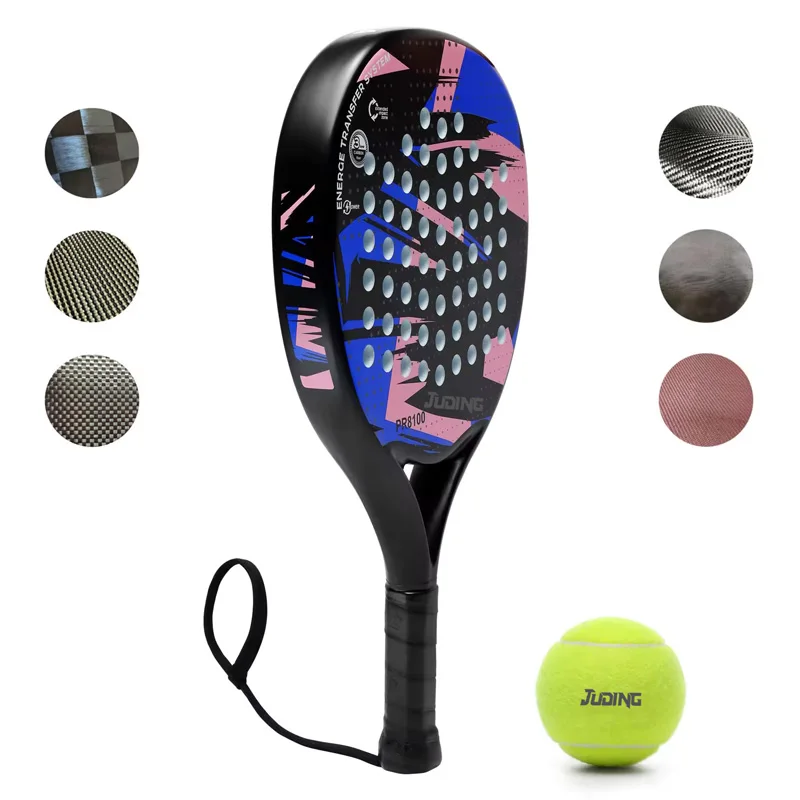
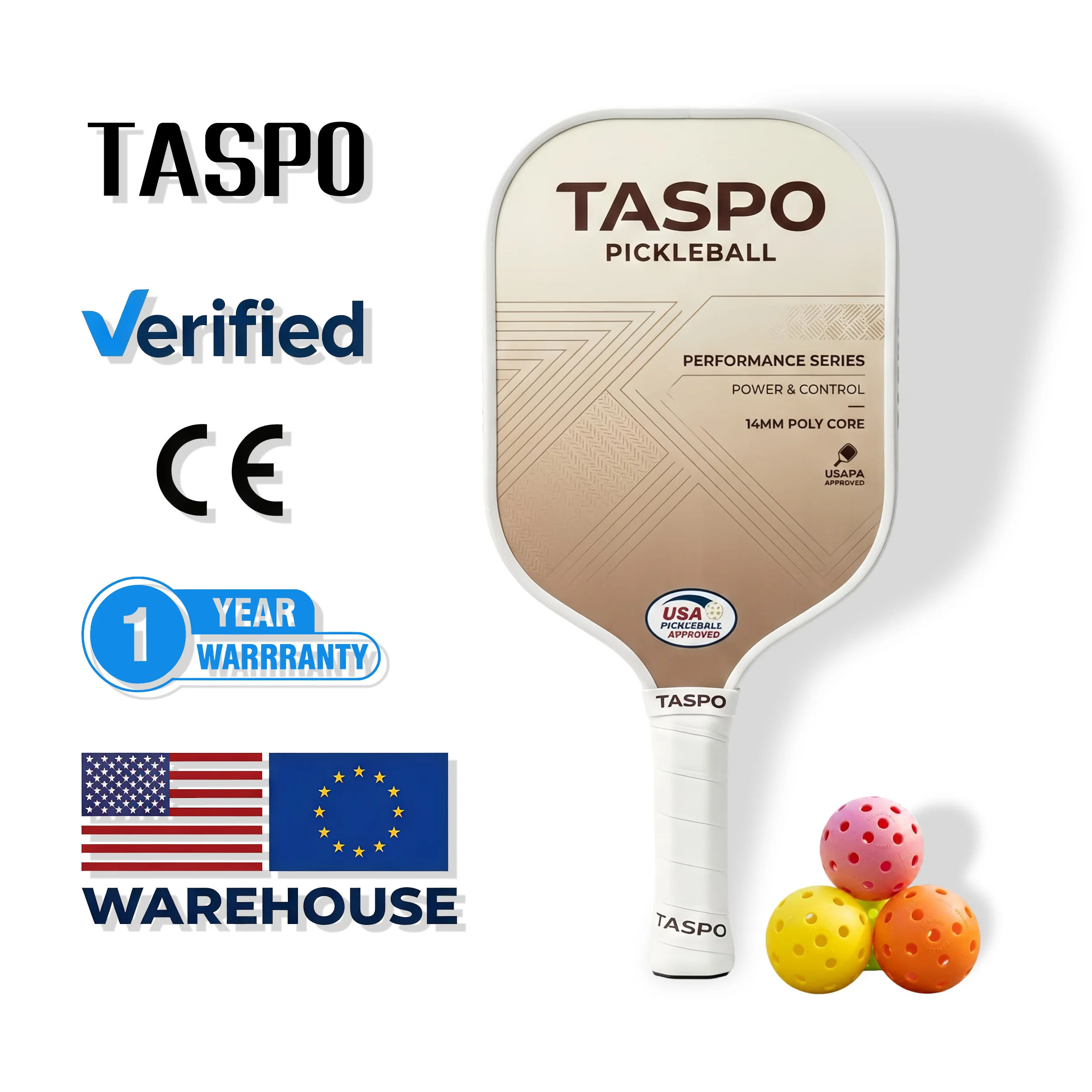
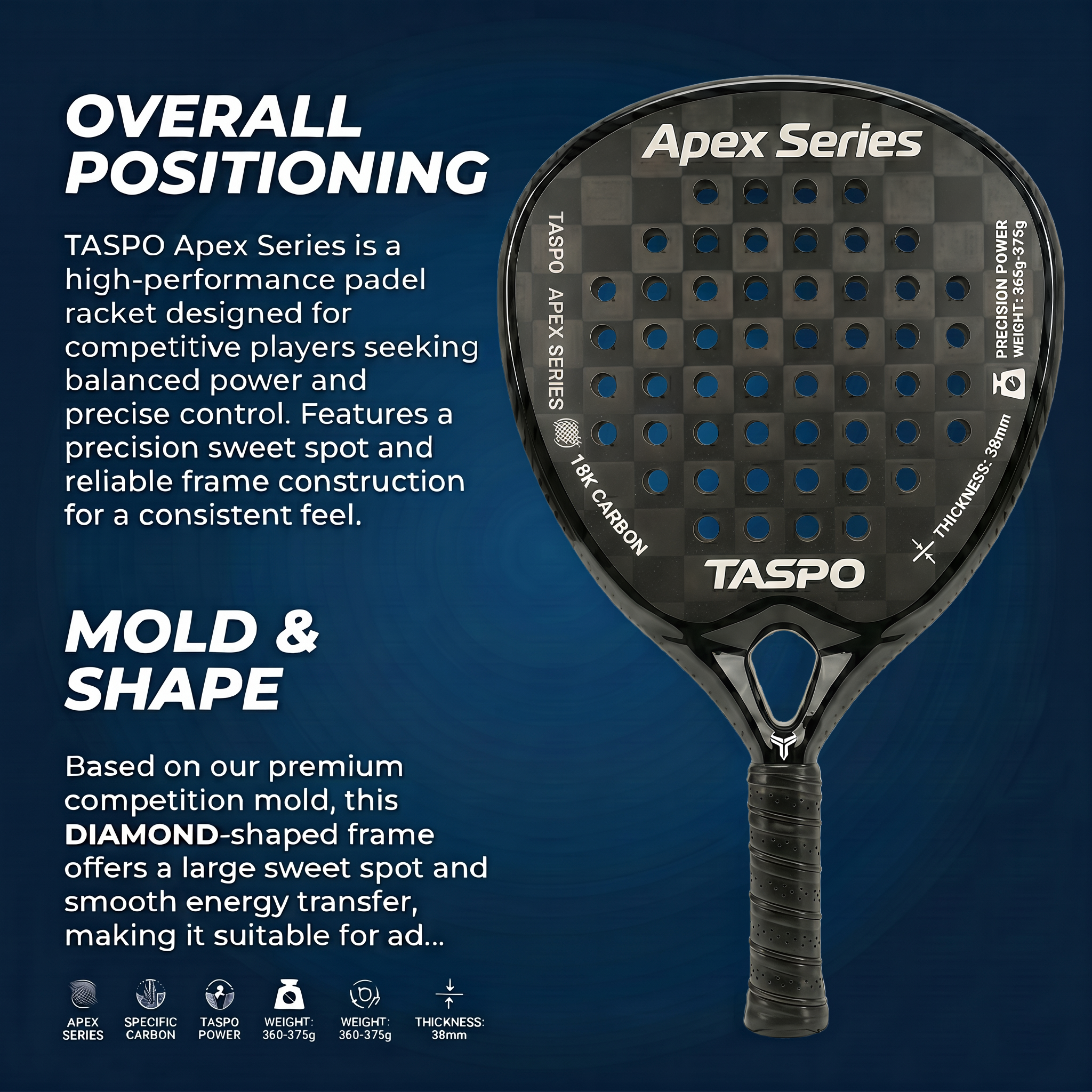
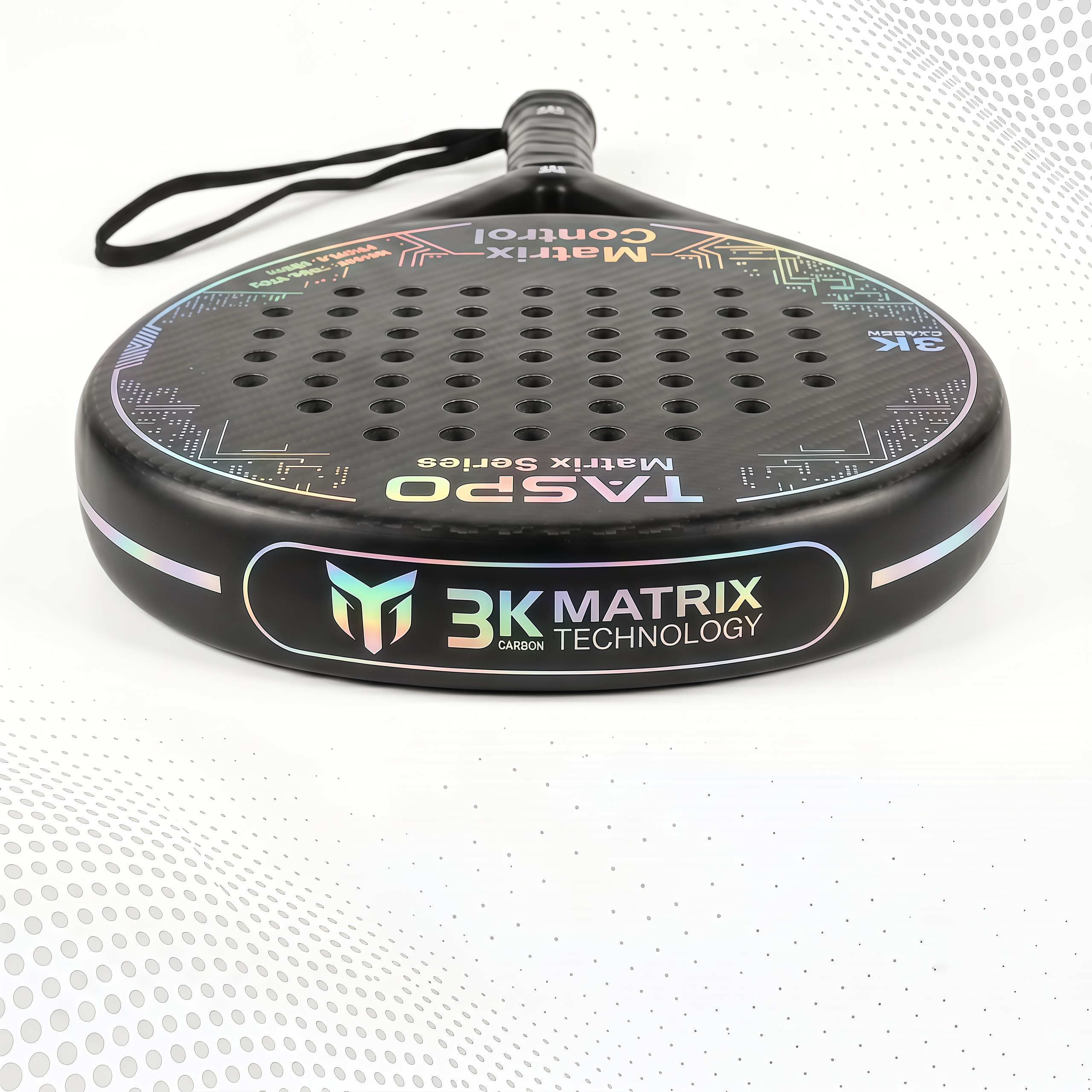
Launching a new line of paddles and court accessories solely through digital social media ads has become an expensive trap for emerging sports brands and regional distributors. As major national retailers bid up cost-per-click keywords across search engines, online customer acquisition costs frequently swallow up first-order profit margins before a buyer ever swings a paddle. Figuring out how to promote pickleball gear in regional markets requires shifting budgets away from crowded digital feeds and placing physical products directly into the hands of local players. Racket sports thrive on tactile community trust: athletes rarely buy a hundred-and-fifty-dollar carbon paddle from a static website banner, yet they will purchase one on the spot if they borrow it during a Saturday morning open-play session and start winning kitchen rallies. Building sustainable regional market share starts with hyper-local court activation, club partnerships, and structured demo ecosystems.
Industry participation reports from the Sports and Fitness Industry Association alongside international court construction trackers confirm that pickleball growth has moved far beyond casual driveway play into dedicated commercial facilities. Across North America, Europe, Southeast Asia, and Australia, municipal tennis centers and private warehouse clubs are converting courts at a record clip, creating massive localized demand for reliable pickleball gear. However, regional markets do not mature at the exact same speed. Emerging territories in Europe and Latin America currently show surging B2B demand for durable starter bundles, portable net systems, and rental paddles to onboard first-time players. Meanwhile, established metropolitan hubs require advanced thermoformed carbon paddles, tournament-grade outdoor balls, and replacement maintenance accessories. Tailoring inventory assortments to match the exact maturity curve of a local metropolitan area prevents wholesale pickleball equipment distributors from sitting on dead stock while maximizing inventory turnover across neighborhood pro shops.
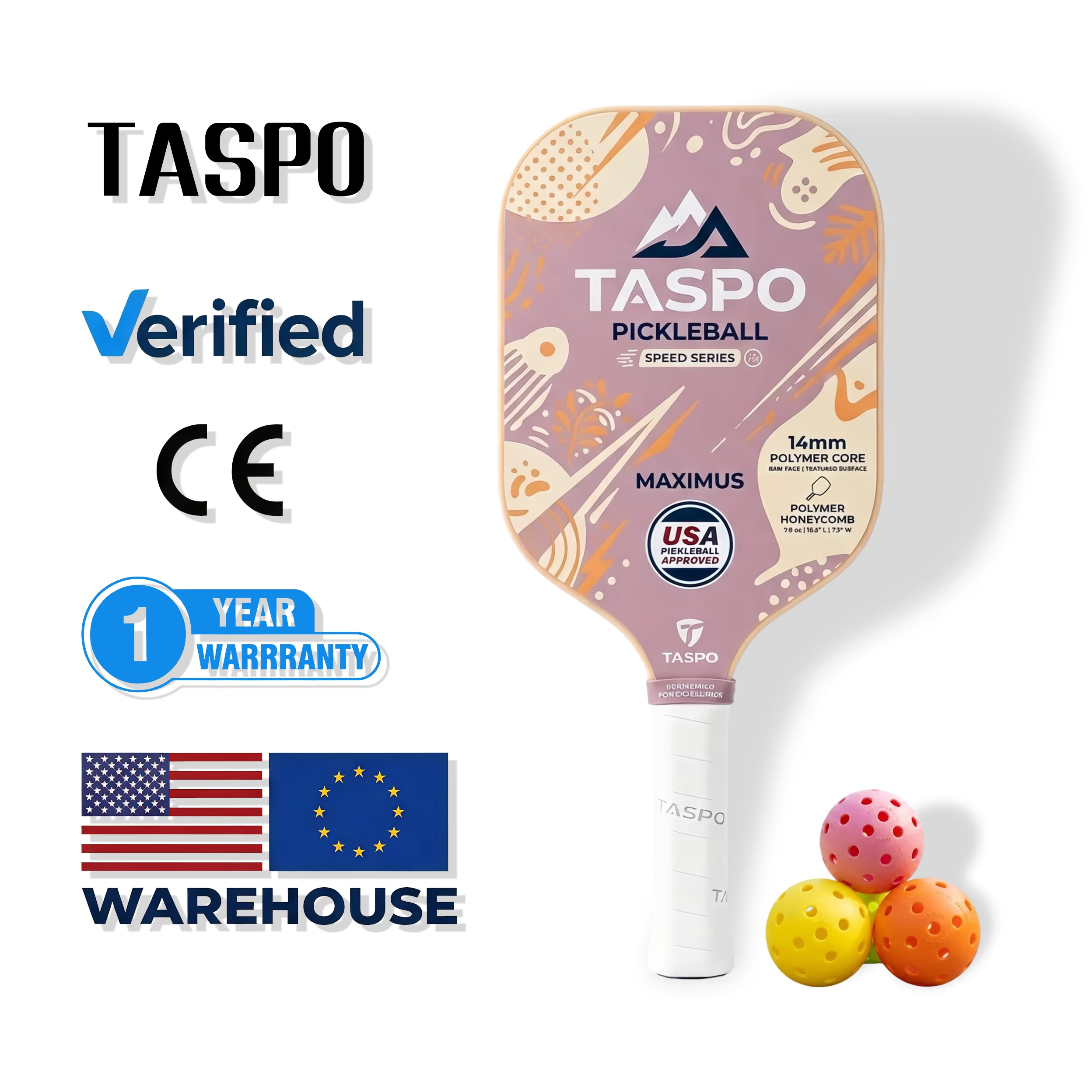
The single highest-converting channel for any regional pickleball brand is a well-managed demo fleet paired with certified local teaching pros. Instead of cold-calling retail store buyers who hesitate to stock unfamiliar labels, smart marketers equip ten to fifteen certified club coaches and open-play organizers in a target city with custom demo bags containing four distinct paddle specifications: a lightweight fourteen-millimeter power model, a plush sixteen-millimeter control frame, an elongated reach paddle, and a wide-body forgiving option. Each demo frame carries a durable QR code sticker on the throat linking directly to the club pro shop or a geo-tagged distributor checkout page with a coach-specific discount code. When students test wholesale pickleball equipment during a ninety-minute clinic and feel the immediate upgrade in spin and pop over worn-out loaner bats, conversion rates routinely exceed thirty-five percent. Compensating local coaches with transparent commission tiers or free teaching balls turns influential community leaders into dedicated brand evangelists.
Real-world commercial numbers illustrate just how quickly localized court marketing outperforms generic digital campaigns. Last spring, a regional sports distributor expanding across six indoor racket clubs in Germany and the Netherlands struggled to move inventory through online marketplace listings. Restructuring their approach, the team partnered with an OEM manufacturer to produce a localized collection of custom pickleball gear featuring club-branded overgrips, high-visibility indoor balls, and two tiers of carbon paddles. They deployed thirty rotating demo kits across weekend dynamic universal pickleball rating tournaments and sponsored the prize tables with branded edge guard tapes and sweatbands. Within ninety days of launching the on-court demo program, pro shop sell-through rates jumped by fifty-eight percent, while overall customer acquisition costs dropped by forty-one percent compared to their previous quarter of paid search advertising. Even better, three of the participating clubs signed annual supply contracts for bulk coaching balls and rental paddles.
Sustaining long-term profitability in a regional territory requires looking beyond one-time paddle transactions and engineering a complete recurring-revenue product matrix. A high-performing carbon paddle lasts a recreational player twelve to eighteen months, meaning brands that only sell frames constantly have to hunt for brand-new customers. Experienced distributors structure their pickleball gear catalog into three strategic tiers. Tier one features an accessible two-paddle fiberglass or hybrid starter set bundled with four balls and a sling bag, priced to capture park districts, schools, and corporate wellness buyers. Tier two showcases flagship raw T700 carbon fiber tournament paddles that anchor brand prestige and deliver strong unit margins. Tier three drives monthly repeat visits through high-margin consumables: rotational-molded pickleball balls, sawtooth edge protection tapes, moisture-wicking wristbands, and tacky replacement overgrips. Bundling a free pack of custom edge tape and overgrips with every flagship paddle purchase introduces athletes to the accessory line and locks in repeat pro shop traffic.
Executing a dominant regional marketing strategy requires a manufacturing backbone capable of delivering consistent tournament quality, flexible customization, and fast restocking speeds. Taspo operates as a premier B2B sports equipment manufacturer supported by more than one hundred and thirty experienced engineers and self-owned standardized production bases. Specializing in advanced carbon fiber prepreg molding, thermoforming, and precision CNC processing, Taspo empowers regional distributors, club chains, and emerging sports brands with comprehensive one-stop OEM and ODM solutions. Partners can develop proprietary custom pickleball gear collections—spanning T700 and 3K/12K/18K carbon paddles, seamless rotational-molded balls, portable nets, sawtooth edge tapes, sweatbands, and custom court bags—all under one roof. Every product leaving Taspo passes through seven rigorous quality inspection stages to guarantee batch-to-batch uniformity. With custom prototypes delivered in just seven to fifteen working days and twenty-four-hour responsive support, Taspo gives regional marketers the manufacturing agility needed to capture local courts and scale globally.
 Hot News
2026-11-25
2026-11-25
2026-11-25
2026-11-25
2026-11-25
2026-11-25
 EN