 EN



How to Select a Padel Racket for Defensive Players
Defensive padel is a series of small decisions made under pressure: read a shot, let it rebound, get the face behind the ball and recover for the next exchange. A padel racket that feels exciting during a few overheads may feel much less helpful when you are stretched in the back corner. For selection, start with the shots you play most often rather than the shape that looks most aggressive.
Compare a padel racket for handling, contact feel and placement before judging power. The right combination depends on your technique, fitness and preferences, so use the descriptions below to make a shortlist, then test it on court.
Start with the defensive job
Think about where your padel racket needs to help you recover. At the back of the court, a low ball may leave little time to prepare after the glass. At the net, a quick block calls for a compact movement. A defensive lob, meanwhile, needs a predictable response when you open the face and lift from below the ball.
For each padel racket you try, notice whether you can position it early, produce a controlled return and regain a ready position. If your current equipment pulls your hand forward during fast exchanges, start by comparing balance rather than buying on total weight alone. If you regularly miss the center, prioritize forgiving contact before seeking a harder strike.
Compare shape and balance together
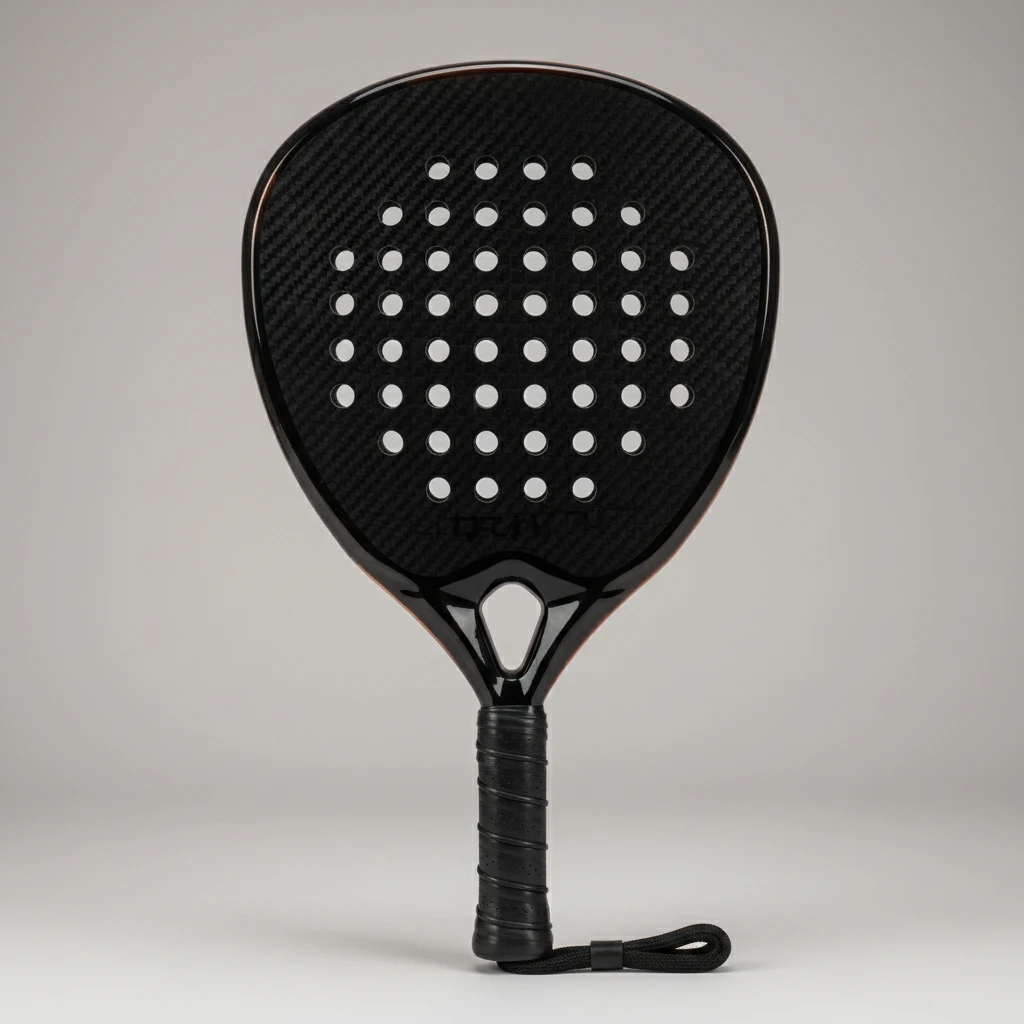
A round padel racket is a sensible starting point for many defensive players. Round designs commonly place the sweet spot nearer the center and often have a lower balance, but shape does not fix either feature. Two round models can feel quite different because their materials and weight distribution vary.
A teardrop padel racket can be worth trying when you want a compromise between defense and overhead play. Some have a moderate balance that provides a little more head presence while remaining manageable for blocks. Compare the actual balance and on-court feel instead of assuming every teardrop behaves alike.
A diamond-shaped padel racket often places more mass toward the head. That can feel useful on overheads, yet it may take more effort to reposition during a rapid defensive exchange. Experienced players who like this response need not rule it out; they should test recovery and off-center contact carefully. A label is a starting clue, not a performance promise.
Separate weight from how heavy it feels
Two rackets with a similar listed weight can swing differently. A padel racket with more mass near the head generally feels more demanding to start and stop than one with mass closer to the handle. Grip additions and a frame protector can also change the feel, so compare samples with similar accessories.
Try a padel racket for several consecutive defensive drills, not just one comfortable swing. Can you keep the face steady on a hurried return? Does your preparation stay compact after a long rally? If you begin arriving late or tightening your grip, try a less head-heavy option. Conversely, a model that feels too light or unstable for you may warrant a slightly heavier alternative.
Assess the face and core as a system
The surface and core of a padel racket influence contact feel along with the frame and overall construction. Softer-feeling designs may offer a more cushioned response at lower swing speeds; firmer designs can feel more direct to players who generate their own pace. Neither description predicts the result for every player or shot.
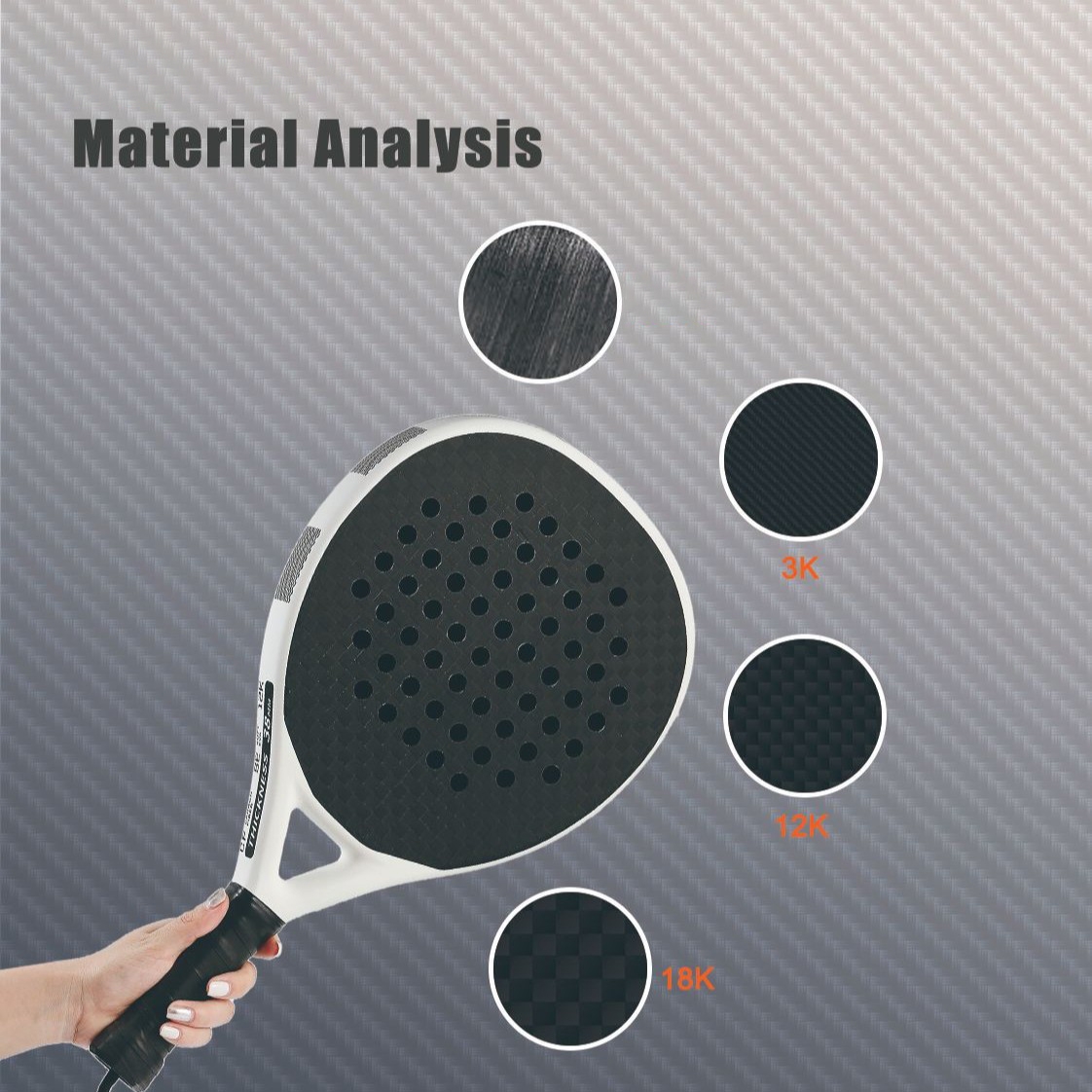
Carbon and fiberglass are material descriptions, not shortcuts to a verdict. A padel racket made with carbon can still differ markedly from another carbon model because the weave, layers, core and shape vary. Ask for the actual construction details, then compare samples rather than treating a material name as a guarantee of control or durability.
During testing, use the same type of ball and similar swing effort. On a slow rebound, observe whether the padel racket gives you enough feedback to control depth. On a firmer block, look for an output you can repeat without forcing your wrist. Personal comfort matters; stop if a setup causes discomfort and seek appropriate advice if it persists.
Make grip and wrist strap part of the comparison
The grip is your connection to the padel racket. A grip that feels too small can encourage excess squeezing; one that feels too large can make the face harder to adjust. Hold each sample with your usual grip and check whether your fingers can wrap around it comfortably without strain. An overgrip changes both the circumference and the balance, so include it when comparing candidates.
Check that the wrist strap is secure and comfortable for play. For organized competition, confirm the current event rules and the racket specifications with the organizer. Published International Padel Federation rules state a maximum racket width of 26 cm and thickness of 38 mm; those limits are dimensions, not evidence that a particular model is approved.
Run a repeatable court test
Compare each padel racket in the same order, with a partner feeding similar balls. A few hard smashes will tell you less than a structured session.
- Back-glass returns: Take several forehands and backhands after the rebound. Note whether you can set the face early and send the ball deep without a rushed swing.
- Low defensive volleys: Block controlled feeds from a ready position. Check how quickly the padel racket moves from one side to the other and whether the ball lands where intended.
- Lobs under pressure: Lift feeds from a low contact point. Compare how much effort is needed to clear the net and control length.
- Recovery: After each shot, return the padel racket to a neutral position. Repeat at the end of the session when you are less fresh.
- Off-center contacts: Observe normal mishits without deliberately striking the frame. Notice feedback and control, but do not infer durability from a brief test.
Write a short note for each padel racket: handling, placement, feel and fatigue. A design that ranks second for overhead power may be the more useful choice if it helps you keep the ball in play throughout a long exchange.
For clubs and buyers building a racket range
If you are evaluating an export carbon padel racket factory, share a player profile rather than only a material request. Ask what sample shapes, balances, weights, grip options and core constructions are available, then confirm specifications and commercial terms directly. A sample test helps you compare the proposed padel racket with your intended users' needs; it does not establish production consistency on its own.
A search for diamond shape padel racket bulk may suit a range aimed at attacking players, but do not assume that shape serves every defensive player. Request a round or less head-heavy comparison sample where available, and agree on the final specifications before placing an order. Contact Taspo Sports to discuss your racket requirements and available options.
Choose for the shots you need to make
Begin with a manageable padel racket, compare balance and contact feel, and use a consistent drill to check your choices. For a defender, reliable preparation and a comfortable response under pressure can matter more than a single powerful overhead. Keep notes, revisit your shortlist after a full session, and choose the setup that supports your own game.
 Hot News



