 EN



How Manufacturing Consistency Enhances Padel Ball Reliability
A padel ball that feels lively in one can and noticeably different in the next can complicate a club session or a distributor's repeat order. For a buyer, reliability is not simply a question of whether one sample plays well. It is whether balls from the same lot, and from later lots, behave within an agreed range under comparable conditions.
Manufacturing consistency supports that goal by reducing avoidable variation in the core, felt, assembly and packaging. It does not mean every ball is identical, nor does it replace testing. Ask what the supplier measures, how often it checks, and what happens when a lot falls outside the agreed limits.
What reliability means for a padel ball
Players experience reliability through familiar bounce, response and feel. A club may also care about how consistently balls perform across court sessions, while an importer may focus on comparable results between shipments. These are related but distinct questions. A padel ball can meet a dimensional specification when new yet still require separate checks for lot variation, wear and storage effects.
Start with the intended use: coaching, recreational play or a competition governed by specified rules. The International Padel Federation's ball certification document lists a diameter of 6.35–6.77 cm and a mass of 56.0–59.4 g. Those are specification ranges, not evidence that a particular shipment has been approved or tested. Ask for the applicable current rule and approval details if the intended event requires them.
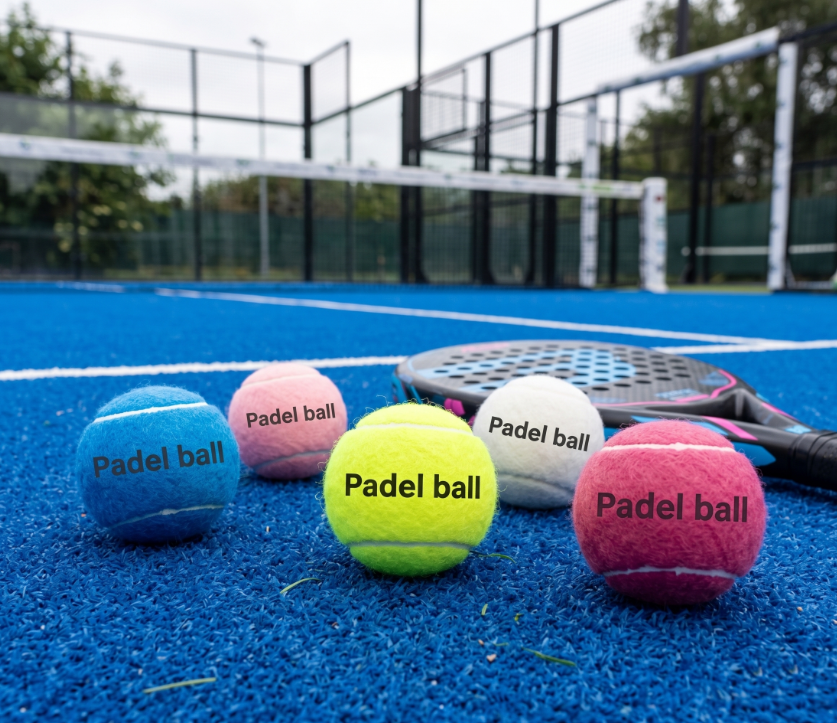
Where repeatability begins on the production line
Core materials and forming
The rubber core is central to how a padel ball responds to impact. Variations in material, forming or assembly can influence the way individual balls deform and rebound. A buyer does not need to prescribe a factory's formula to ask sensible questions: how are incoming materials identified, which process settings are monitored, and can a finished lot be traced back to its production records?
A supplier may use its own documented controls. Ask to see the checks and the criteria used for this product rather than assuming that a material description alone establishes performance. If a padel ball sample feels right, a retained reference sample and a written specification make that impression easier to discuss when the next order is placed.
Pressure and sealing
For a pressurised design, internal pressure and the integrity of the enclosure can influence rebound. Inconsistent sealing or handling can produce differences that become apparent during storage or use. The practical buying question is not whether a ball will keep its initial feel indefinitely; it is what the supplier checks before shipment and what storage conditions apply to those results.
Ask whether the padel ball is evaluated after a defined conditioning period, whether packaging seals are inspected, and how an unusual result is investigated. A documented test is more useful than a broad claim that every can will play the same way.
Felt coverage and finishing
The outer felt affects the contact surface and may influence the feel and flight of a padel ball as it wears. Uneven coverage, a visibly lifted seam or inconsistent finishing can be worth investigating. Visual inspection alone, however, cannot establish rebound or service life. Pair a surface check with the performance tests agreed for the order.
During sample review, compare balls from more than one can. Note the condition of the seams and the surface before play, then keep observations alongside the lot identifier. This gives the supplier a more useful description than simply saying the balls feel different.
Turn production controls into measurable evidence
A repeatable test method makes comparisons meaningful. Record the test surface, drop height, temperature, sample age and measurement method when reviewing bounce. The 2017 federation rules describe a rebound of 135–145 cm from a 2.54 m drop onto a hard surface; treat that as a historical reference and check the rule edition applicable to the event before setting an acceptance criterion.
For each padel ball lot, ask how samples are selected and how results are reported. An average alone can hide a wide spread: request individual measurements or a summary of the range as well as the acceptance limits. Agree on the number of samples and the disposition of a failed lot before production, not after delivery.
Also distinguish a factory's routine check from an independent test or a federation approval. Each answers a different question. A report should identify the product, test method, date and samples covered; it should not be treated as proof for an unrelated model or shipment.
Why packaging and transit belong in the conversation
Even when production is controlled, the condition of a padel ball at arrival can differ from its condition at testing. Storage time, temperature exposure, handling and the integrity of the can are variables worth recording. Ask for the supplier's handling recommendations and inspect outer cartons and seals when the order arrives.
For comparisons, keep unopened samples under similar conditions and record when each can was opened. Testing one freshly opened can against another that has spent weeks in use would tell you little about manufacturing consistency. A simple receiving log can connect the result to the shipment, lot, date and observed package condition.
A practical checklist for repeat orders
When evaluating high bounce padel balls wholesale, define what “high bounce” means for the intended use and verify that it fits the relevant rules where applicable. Higher is not automatically more suitable. When discussing factory direct bulk padel balls supply, confirm the actual production source and the documents available for the proposed order rather than relying on a sales label.
- Set the baseline. Agree on the intended use, ball specification and an approved reference sample.
- Define the method. Record how mass, diameter and bounce are measured, including conditioning and sampling.
- Review variation. Ask for sample-level results or a range, not just one passing reading.
- Connect the records. Request lot identifiers, packaging details and the process for reporting a concern.
- Compare subsequent deliveries. Use the same test conditions and keep an unopened sample when practical.
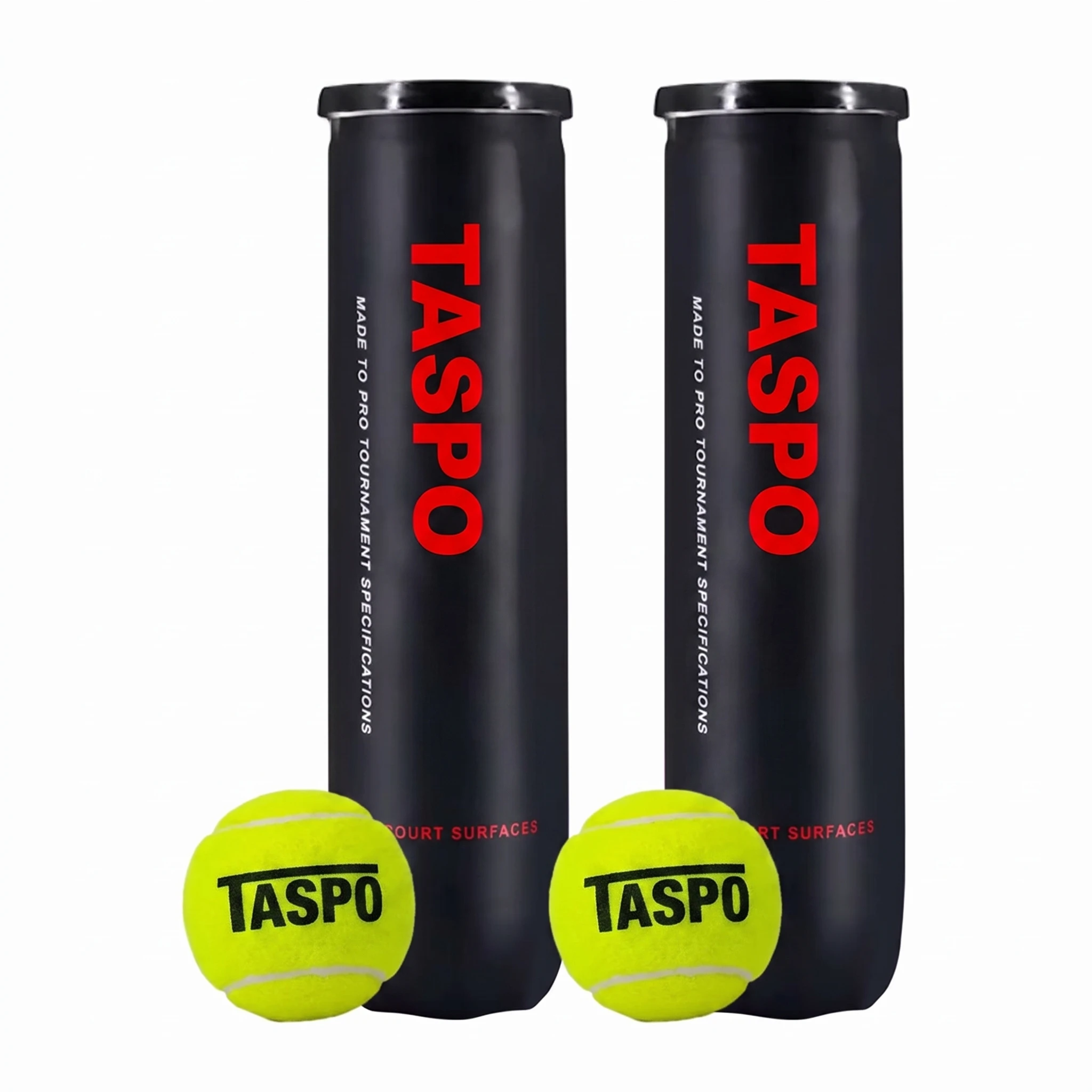
For a padel ball buyer, the strongest starting point is a clear specification plus evidence that the supplier can repeat and document its checks. A sample supports the decision; it is not a substitute for lot-level information. Taspo Sports provides racket-sport equipment context on its company website. Confirm ball availability, specifications and testing directly before placing an order.

 Hot News



