 EN


How Round Padel Racket Models Support Beginners?
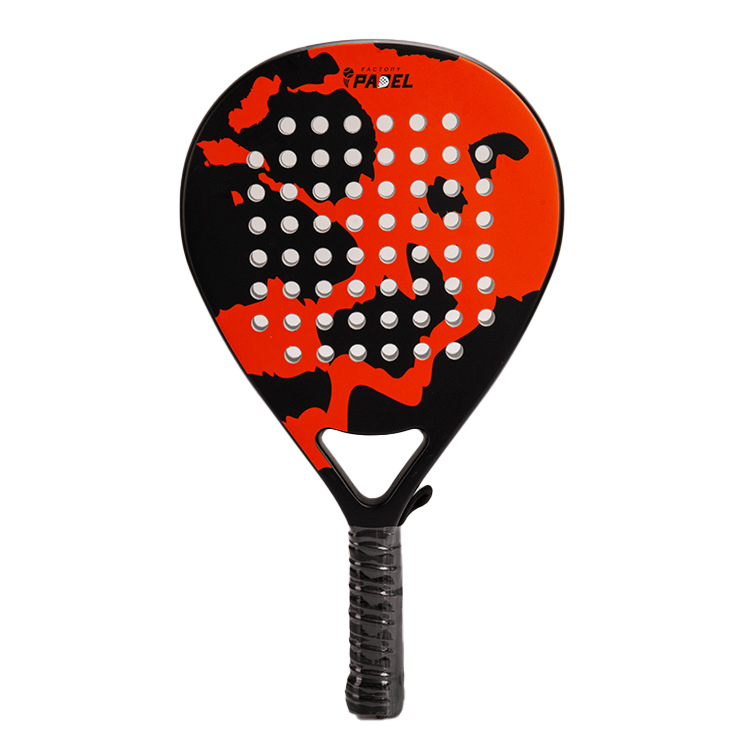
A first padel session can be busy: you are judging the bounce, moving toward the ball and trying to keep a rally going. A round padel racket can be a sensible starting point because many models place a forgiving hitting area near the centre of the face. That can help when contact is not yet consistent. Shape is only one part of the decision, however. Weight, balance, grip and construction also influence how a racket feels in your hand.
For a new player, the useful question is not whether a round frame will make every shot easier. It is whether a particular padel racket gives you enough control and comfort to practise the strokes you want to develop. The way it handles on court is a more useful test.
Why does a round shape appeal to new players?
Many round designs have a relatively generous sweet spot: the area of the face where contact tends to feel more responsive and consistent. A ball struck outside that area can feel less controlled. A round padel racket may therefore be more forgiving of slight timing errors than a more demanding frame, helping a beginner focus on positioning instead of correcting every imperfect hit.
Think of a player returning a ball that has come off the back glass. The bounce can be hard to read at first, so the contact point may shift from shot to shot. A forgiving face can help, but it cannot replace footwork or guarantee that the return lands in. This is an illustration of a practice situation, not a claim about a particular product.
The sweet spot is not the whole face
A larger effective hitting area does not mean every contact feels identical. Face materials, core firmness, drilling pattern and overall construction all contribute to the response. Two round models can feel noticeably different. If possible, hit with each padel racket you are considering rather than relying on the outline alone.
How balance affects handling
Balance describes where weight is distributed along the racket. A lower balance places more of that weight toward the handle; a higher balance places more toward the head. Many round frames are designed with a low or medium balance, which can feel easier to move into position for quick blocks and volleys. That is a tendency, not a rule for every round padel racket.
Total weight matters too. Two models with similar weight can feel different when you swing because their weight is distributed differently. A racket that feels manageable during a few slow swings may feel more demanding after a long practice. Conversely, an unusually light frame may not give every player the stability they prefer. Choose a padel racket you can move without rushing or gripping tightly, and compare it with another option if you can.
What control means during beginner practice
Control is not a promise that the ball will go exactly where you intend. It is a practical way to describe how confidently you can direct and repeat a shot. A padel racket that feels manageable can give you a useful starting point for practising direction, depth and a relaxed swing.
- At the back of the court: practise moving behind the ball and returning it with a compact swing. Notice whether the face is easy to position after a wall rebound.
- Near the net: try controlled volleys rather than hitting as hard as possible. See whether you can bring the racket into place for the next ball.
- During a gentle rally: aim for a comfortable rhythm. Compare how consistently you can send the ball toward a chosen area.
If the padel racket feels awkward, check grip and balance before assuming the head shape is wrong. Technique, ball speed and familiarity with the equipment all affect the result.
Round, teardrop or diamond: which trade-off matters?
Round frames are commonly associated with control and an accessible sweet spot. Teardrop shapes often sit between round and diamond designs in the way they are marketed, while diamond shapes are often aimed at players who want more head-weighted power. Treat these as broad descriptions: an individual padel racket may feel different.
A new player with good timing or previous racket-sport experience may enjoy a different shape. Equally, an experienced player can prefer a round frame. If you are choosing a first padel racket, start with the handling you can repeat comfortably, then compare the feel of another shape. Do not make the decision from a power label alone: more momentum at the head can come with a slower-feeling response when you need to react quickly.
Five checks before choosing a round model
- Hold the grip. Your hand should feel secure without squeezing hard. Ask about grip size and overgrip options if the handle feels too thin or bulky.
- Compare weight and balance together. Hold and swing each padel racket you are considering. Notice whether the head feels easy to bring back into position.
- Ask about the face and core. Softer and firmer constructions can produce different sensations. Labels alone do not establish how comfortable a frame will feel for you.
- Try ordinary shots. If a demo is available, include blocks, volleys and controlled returns as well as overhead shots. A few powerful swings do not represent a whole session.
- Check the wrist strap and condition. Use the strap while playing and inspect it along with the frame. For organised play, confirm the applicable equipment rules with the event organiser.
If you are comparing a padel racket for a club or retail range, ask for the individual model's specifications and arrange a sample where possible. Share the intended player level and the kind of sessions it will support. A description of the target user is more useful than assuming that every beginner needs the same setup.
When might a different choice suit you?
A round head is worth considering if you want to prioritise a manageable feel while building your timing. It may be less appealing if you already generate consistent contact and prefer the sensation of a more head-weighted frame. A padel racket can feel right to one person and cumbersome to another, even at the same playing level.
Take time to adapt, but pay attention to persistent discomfort. If something hurts, stop and seek advice from a qualified professional rather than treating a change of racket as a medical solution. A coach can also help you separate a handling issue from a movement or timing issue.
Make the next session your test
Begin with a round padel racket that feels comfortable in your hand, then test it through the shots you actually practise. Note its balance, the grip and how it responds when contact moves outside the centre. Compare those observations with a second model where possible.
Taspo Sports provides padel equipment; for a specific model, ask for current specifications and available samples before making a decision. A careful comparison, combined with regular practice, gives you a clearer basis for choosing than shape alone.


 Hot News


