 EN



What Wholesale Buyers Expect from Bulk Tennis Ball Suppliers
A low tennis ball price can look attractive until the shipment arrives with an unfamiliar bounce, damaged tubes, or packaging that does not match the approved artwork. For a distributor, club buyer, or private-label brand, the real question is not simply how many tennis balls fit in a carton. It is whether the supplier can repeat the agreed specification, document what was shipped, and resolve problems without disrupting the selling season.
Use the following purchasing framework to turn a tennis ball inquiry into a practical agreement. Start with the end user, then compare samples and commercial terms on the same basis. No single ball or package suits every channel.
1. A tennis ball specification tied to the intended use
Tell the supplier whether the tennis ball is for club practice, retail sale, coaching, events, or another purpose. A training buyer may prioritize a consistent practice experience and replenishment, while a retailer may also need shelf-ready tubes and barcode placement. Specify the expected court surface and whether the order is intended for adult play or a particular junior stage.
Ask for the proposed tennis ball type, construction, felt description, color, and whether it is pressurized or pressureless. These are separate choices, not interchangeable labels. A pressurized tennis ball in a sealed can has different packing and handling considerations from a pressureless practice ball sold in a bag. Compare like with like before discussing price.
If tournament use matters, request evidence for the exact tennis ball model and applicable period. The International Tennis Federation maintains an approved-ball list; a general statement about a manufacturer is not proof that a particular custom-labeled model is approved. Check the current list and the competition organizer’s rules before making a claim.
2. Comparable samples and clear acceptance criteria
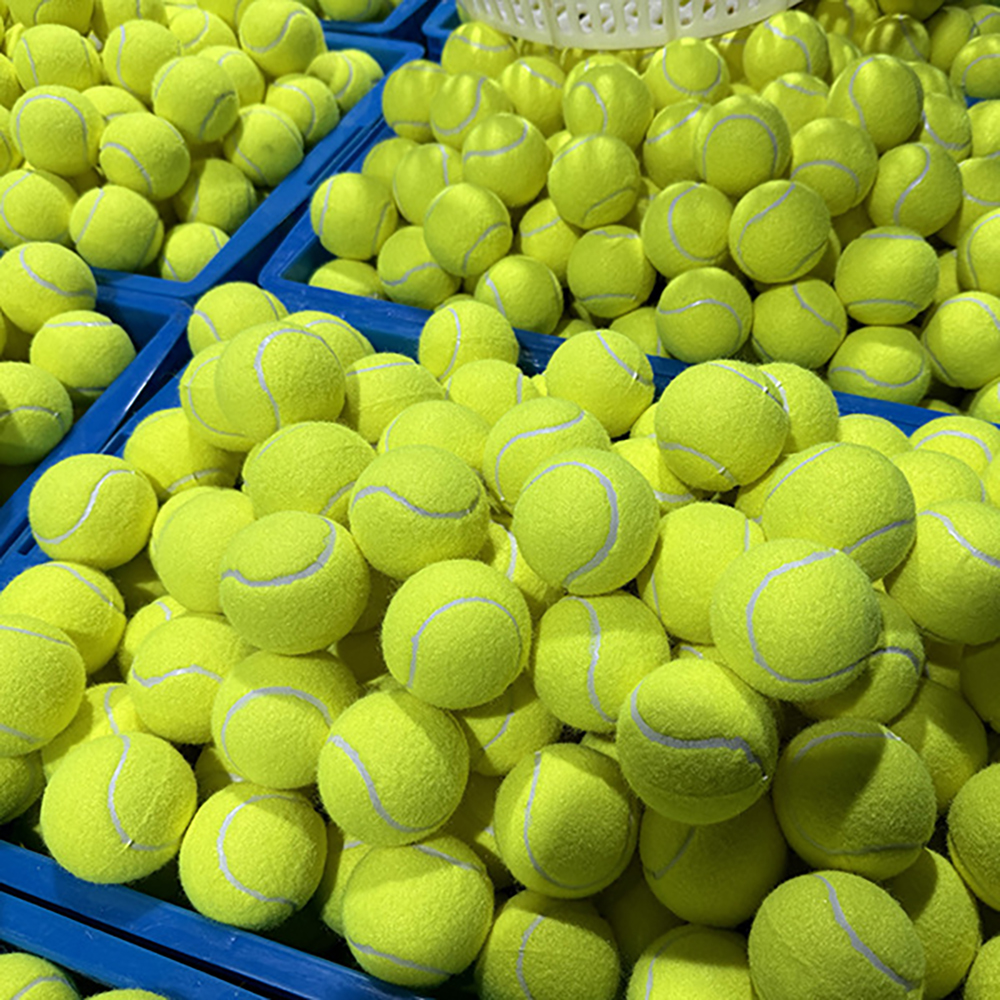
Request tennis ball samples that reflect the proposed production version, including the logo and retail container when those details affect the order. Agree on how samples will be judged: visual appearance, felt coverage, seam finish, bounce, and any required markings. Record who approves each item and keep one signed reference sample for comparison with the shipment.
For a technical starting point, published ITF Type 2 figures include a mass range of 56–59.4 g and a diameter range of 6.541–6.858 cm. Those figures apply to a defined ball category, not every junior or specialty tennis ball. Ask which current standard and test conditions apply to your order rather than treating a quick hand test as formal certification.
Decide the inspection method before production: sample size, test location, acceptable deviations, documentation, and what happens if a batch falls outside the agreed limits. A useful tennis ball report identifies the model, lot, date, test method, and result. It should also distinguish factory checks from independent testing, if the latter is required.
3. Packaging that survives shipping and supports the shelf
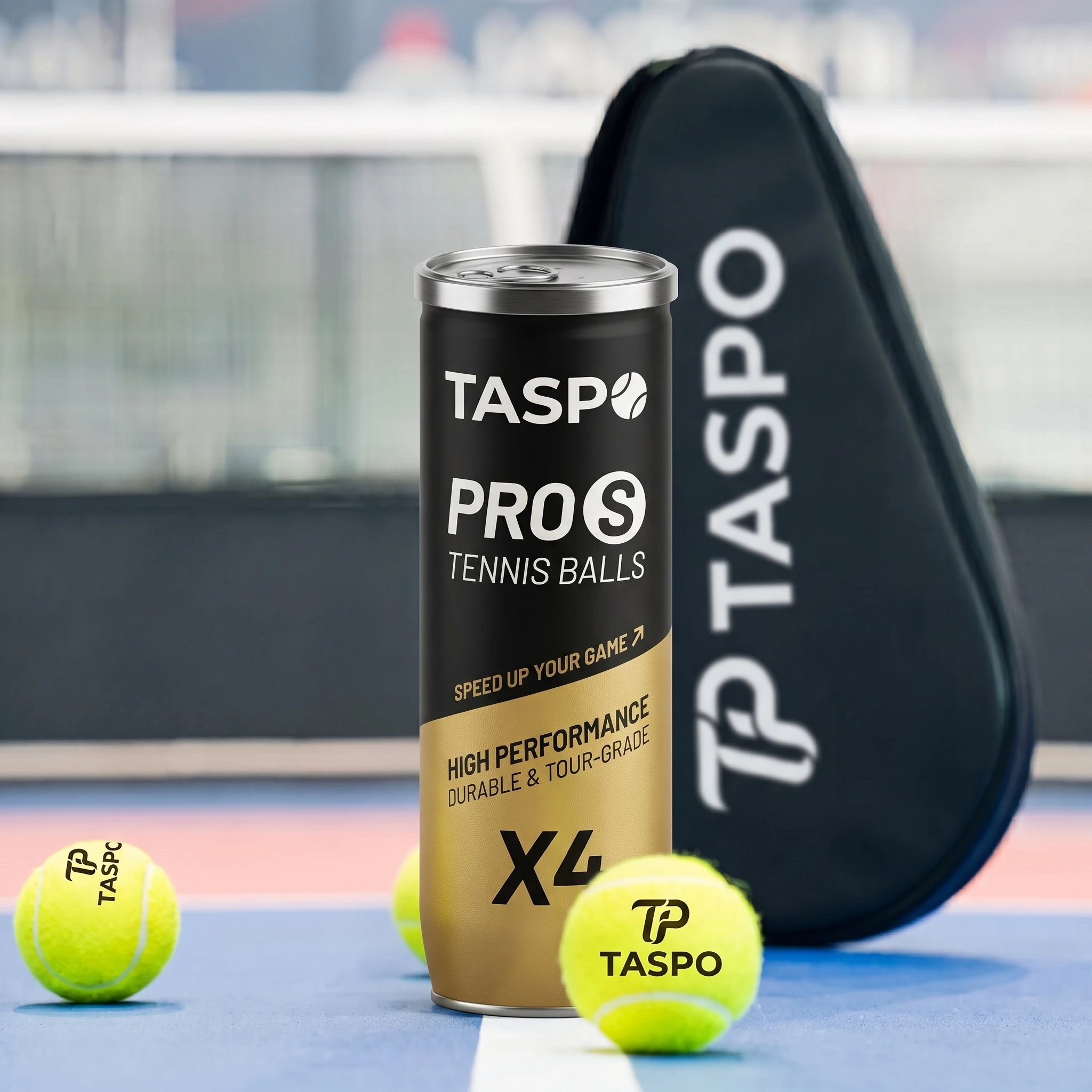
When an inquiry asks for an export grade tennis balls tube, replace the broad phrase with measurable requirements. Confirm balls per tube, tube and lid materials, seal type, carton count, outer dimensions, markings, and the packing arrangement. If the tennis ball is pressure-packed, agree on how the seal will be checked. A tube’s appearance alone does not establish that it holds pressure.
Pressurized tennis balls gradually lose air after a can is opened, so buyers should agree on the handling and storage instructions for that product. Ask for the packing date or traceable lot code and the supplier’s recommended storage conditions. Do not assume a universal shelf life: obtain the applicable recommendation in writing.
For retail, review a physical tube alongside the printed proof. Check the barcode, product description, language, destination-specific labeling and any required warning text with the appropriate importer or adviser. For clubs, cartons that are easy to count and identify may matter more than elaborate graphics. In either case, specify how damaged or short cartons will be documented on arrival.
4. Private-label artwork with a controlled approval process
For customized logo tennis balls bulk orders, ask where the logo can appear: on the tennis ball, the tube, the label, or the carton. Provide a production-ready file and confirm dimensions, colors, orientation, and any space needed for mandatory markings. A digital proof is useful, but it may not show how ink looks on textured felt.
Ask whether a physical tennis ball pre-production sample is available, what it costs, and whether making it changes the schedule. Agree on the reference used for color and on acceptable print variation. Confirm who owns the artwork, who may authorize a change, and whether repeat orders will use the same approved file. Do not assume a supplier can offer a particular decoration or packaging option until it has confirmed it.
5. A quotation that makes landed cost visible
Compare each tennis ball quote using the same quantity, specification, package, and delivery point. Ask for a breakdown of unit price, sample or tooling charges, artwork costs, carton packing, freight, insurance, and any taxes or import charges that apply to the agreed route. State the currency and validity period. The responsibilities depend on the named delivery term and location, so write both into the quotation.
Also ask for the minimum order quantity per tennis ball design and per package variant. A lower unit price may require a larger commitment or a longer replenishment cycle. For a seasonal buyer, a smaller initial order with a confirmed reorder process may be more useful than a large purchase that occupies warehouse space. Treat this as a planning comparison, not a promise about any supplier’s terms.
6. Production, delivery, and issue resolution
A useful tennis ball schedule separates artwork approval, sample approval, production, inspection, dispatch, and transit. Ask when the clock starts and how changes affect the dates. For repeat orders, discuss lead time, lot identification, and how a material or packing change will be communicated before it is used.
Before payment, agree on the evidence needed for a claim: photos, carton labels, lot codes, inspection records, and a notification window. Specify the review process and possible remedies in the purchase agreement. A responsive contact and a written escalation path matter most when a tennis ball shipment is short, a seal is damaged, or a logo differs from the approved sample.
What to include in a first supplier inquiry
- Intended users, court surface, tennis ball type, and any required competition approval.
- Expected order quantity, reorder estimate, destination, and requested delivery date.
- Tube or bulk packing, balls per unit, carton details, labeling, and preferred delivery term.
- Artwork files, logo placement, sample needs, and who will approve the proof.
- Test criteria, inspection arrangements, traceability, and documents needed at shipment.
A good tennis ball supplier conversation ends with a shared specification, not just a number on a quotation. Keep the approved sample, packing details, and written terms together so the next order can be checked against the same reference.
 Hot News



