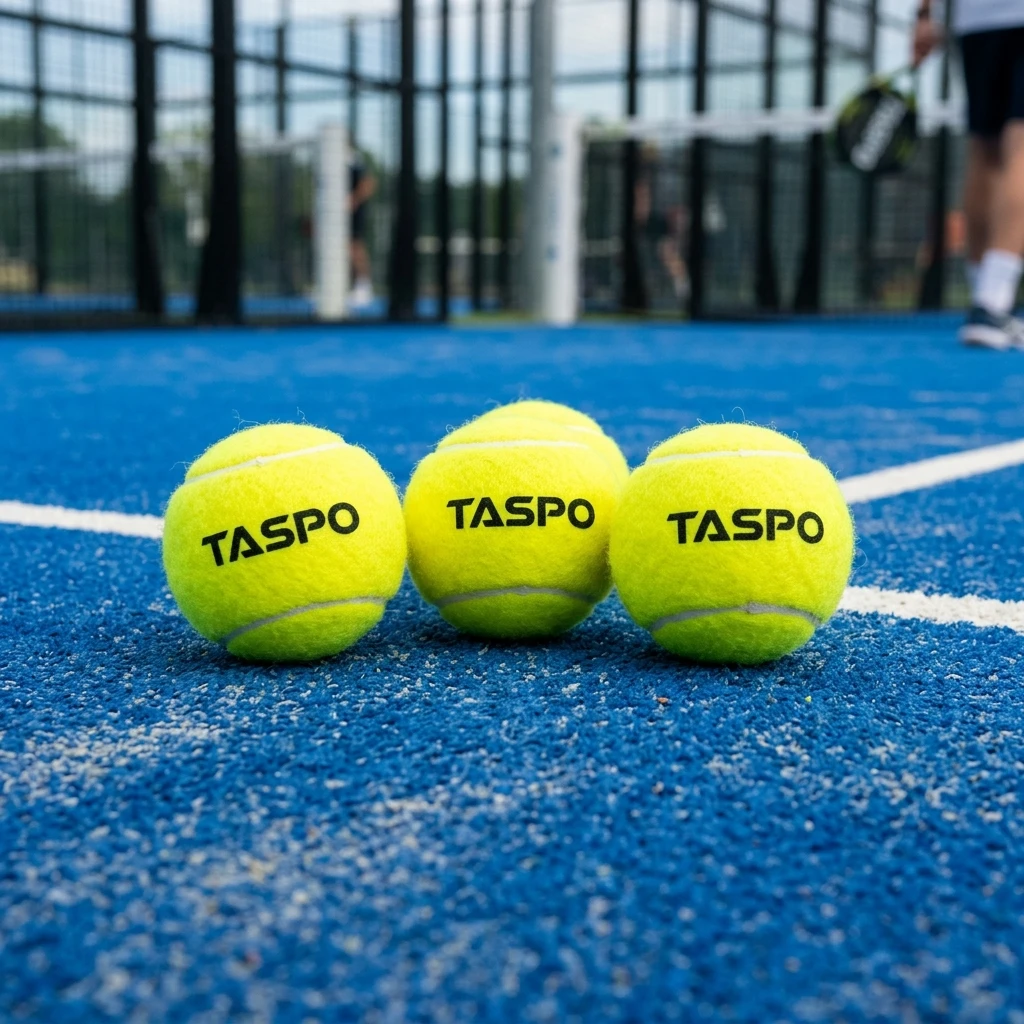
Popping open a pressurized canister right before a competitive match delivers an unmistakable hiss that every court athlete loves. During the first fifteen minutes of warmups, a fresh padel ball rockets off the turf and rebounds cleanly off the back glass with predictable height and pace. Yet players frequently complain that by the middle of the second set, those same spheres feel heavy, sluggish, and unresponsive during overhead smashes. Understanding what creates rebound speed in a fresh padel ball helps tournament directors and serious athletes avoid premature equipment failure during crucial tiebreaks. That lively initial pop is not an accident of manufacturing; it results from a delicate mechanical balance between internal gas pressure, vulcanized rubber wall elasticity, and exterior felt aerodynamics. When a poorly constructed padel ball hits the steel mesh or tempered glass wall at high velocity, microscopic fissures in low-grade rubber allow pressurized gas to escape rapidly. Selecting a properly engineered tournament padel ball ensures that kinetic energy transfers back into the flight path rather than dissipating as heat and structural deformation against the court surface.
The primary engine driving padel ball rebound speed sits hidden beneath the bright yellow exterior. According to official equipment standards established by the International Padel Federation, a regulation sphere must measure between six point three five and six point seven seven centimeters in diameter while weighing between fifty-six and fifty-nine point four grams. To achieve the mandated bounce height of one hundred and thirty-five to one hundred and forty-seven centimeters when dropped onto a hard surface from two hundred and fifty-four centimeters, manufacturers inject the hollow padel ball core with compressed air or nitrogen mixtures. While standard tennis balls carry roughly fourteen pounds per square inch of internal pressure, a specialized pressurized padel ball is calibrated slightly lower, typically around ten to eleven pounds per square inch, to moderate pace inside the enclosed twenty-by-ten-meter court. However, pressure alone only tells half the story. The surrounding rubber shell must feature high-cis polybutadiene and natural latex compounds vulcanized at precise temperatures. This high-density padel ball core acts like a coiled spring on impact, compressing against the carbon face of the racket and snapping back into a perfect sphere within four milliseconds to generate explosive rebound velocity.
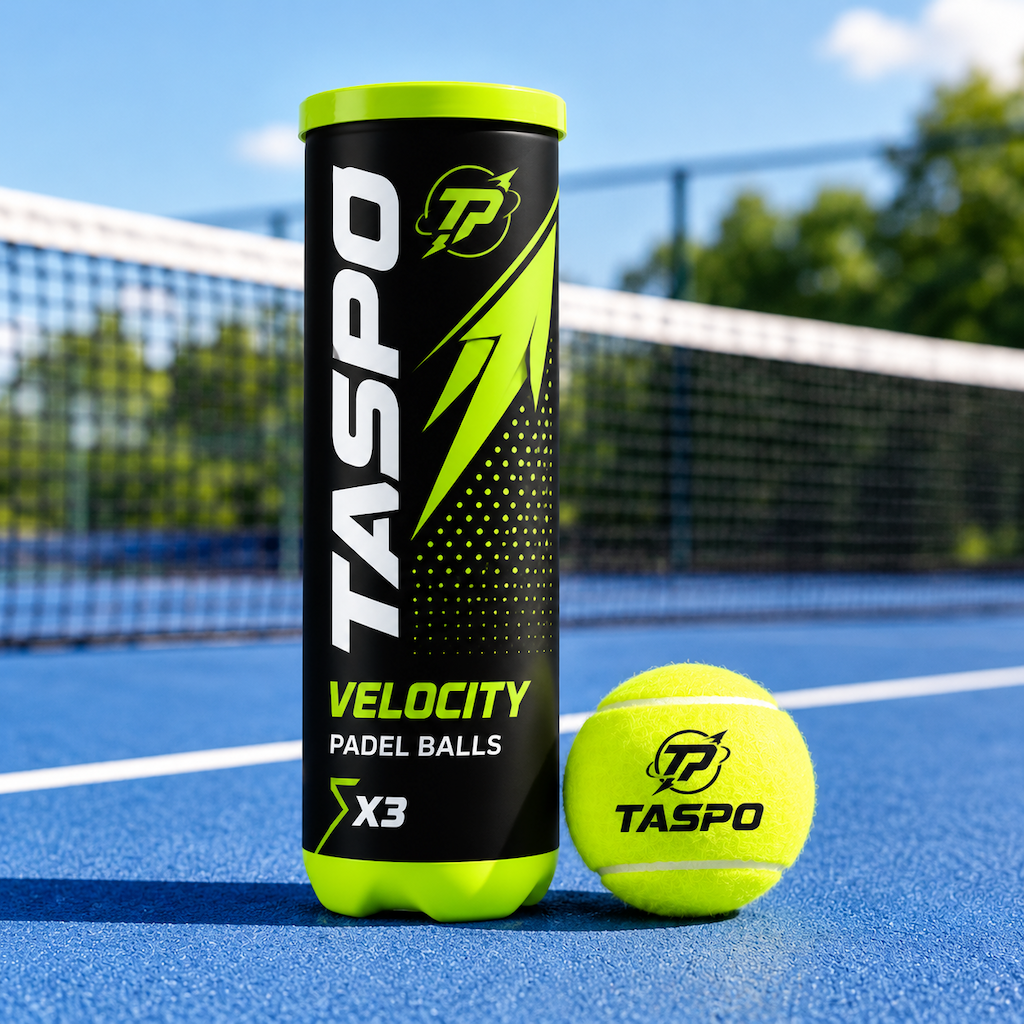
Even the most responsive padel ball core will fail to deliver consistent court speed if wrapped in inferior textile material. The outer felt layer governs both aerodynamic drag through the air and surface friction against artificial turf, sand grains, and glass panels. Manufacturers generally divide exterior coverings into two categories: needle-punched synthetic felt and woven wool-nylon blends. A budget padel ball typically uses one hundred percent synthetic polypropylene or polyester fibers punched together mechanically. While inexpensive, synthetic fibers fluff up rapidly after scraping against sandy court surfaces, increasing wind resistance and slowing down rebound speed within twenty minutes of heavy hitting. Conversely, a premium tournament padel ball incorporates forty-five to fifty-five percent natural New Zealand wool blended with reinforced nylon filaments and treated with moisture-repellent silicone coatings. This tightly woven structure resists abrasion from textured racket faces and prevents sand particles from embedding deep into the nap. By maintaining a compact, low-profile surface geometry throughout three full sets, a wool-blend pressurized padel ball preserves its crisp trajectory off the glass and allows aggressive players to execute high-bouncing kick smashes that clear the four-meter perimeter fence.
Environmental conditions play a massive role in how padel ball rebound speed behaves outside laboratory testing chambers. During a six-week field evaluation conducted across four coastal clubs in southern Spain and two high-altitude indoor complexes in Latin America, equipment engineers tracked pressure retention and bounce velocity across three hundred canisters. At sea level with seventy-five percent relative humidity, standard commercial balls lost nineteen percent of their initial rebound height after just ninety minutes of continuous play as moisture soaked into untreated felt fibers. In contrast, a moisture-sealed tournament padel ball batch featuring butyl-lined rubber cores lost only six point two percent of its vertical bounce height over the exact same ninety-minute window. Laser radar guns positioned behind the service line confirmed that players using the butyl-enhanced pressurized padel ball maintained an average off-the-glass exit velocity that was eleven kilometers per hour faster during the third set compared to standard models. Club managers participating in the trial reported that upgrading to a high-retention padel ball core reduced their weekly canister consumption by thirty-five percent during weekend league tournaments, delivering substantial operational savings alongside superior player satisfaction.
For sports retailers, academy coaches, and tournament organizers ordering equipment in volume, preserving factory-fresh padel ball rebound speed depends heavily on packaging engineering and pre-shipment quality control. Because gas molecules naturally migrate from high-pressure zones to low-pressure zones, a pressurized padel ball begins losing internal energy the moment its canister seal is compromised. Trustworthy production lines utilize food-grade polyethylene terephthalate cans pressurized to match the exact internal atmosphere of the spheres inside, sealed with double-crimped aluminum pull-ring lids. Before approving a bulk shipment, buyers should request compression deflection reports verifying that every padel ball undergoes automated optical sorting and mechanical squeeze testing. Under a standard load of eight point one sixfive kilograms, forward deformation must remain between zero point five six and zero point seven four centimeters, while return deformation stays within strict recovery margins. Furthermore, storing crates in climate-controlled warehouses between fifteen and twenty-five degrees Celsius prevents thermal expansion cycles that prematurely fatigue the padel ball core before players ever step onto the court.
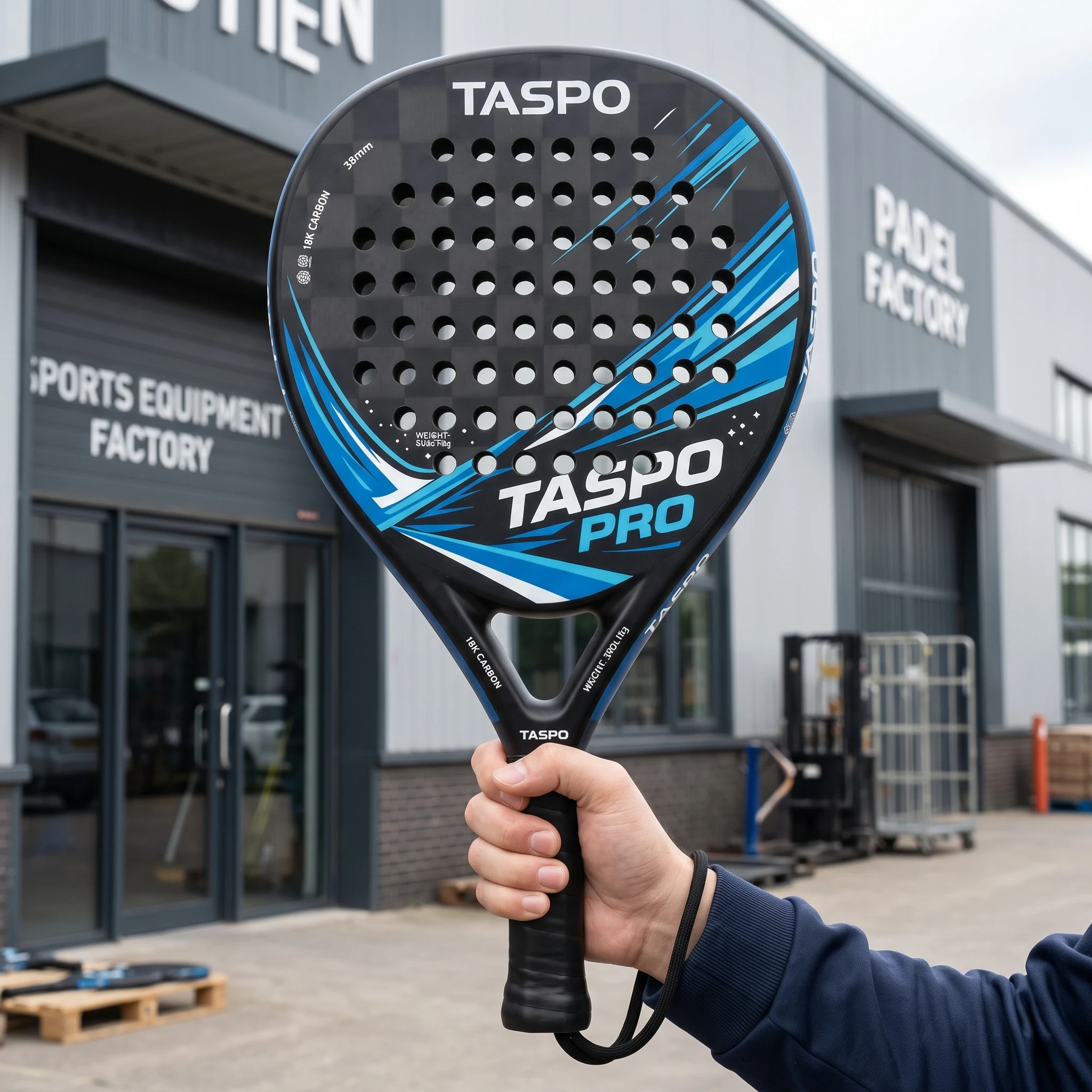
Building a winning reputation in the fast-growing racket sports market requires equipment that performs reliably from the opening serve to match point. Taspo operates as a premier sports manufacturing partner with self-owned standardized factories and a dedicated research team of over one hundred and thirty engineers specializing in advanced composite rackets and court accessories. While widely recognized for crafting high-modulus carbon fiber padel rackets through precision autoclave curing and resin transfer molding, Taspo also provides comprehensive one-stop sourcing for tournament padel ball supplies, high-tack overgrips, protective frame tapes, and custom court bags. Every pressurized padel ball and carbon racket developed through Taspo undergoes seven strict inspection stages covering bounce uniformity, weight tolerance, felt abrasion resistance, and packaging seal durability. Whether a regional distributor wants to launch a custom private-label padel ball line or a club chain needs coordinated rackets and balls engineered to work in harmony, Taspo delivers rapid prototyping within seven to fifteen working days and twenty-four-hour technical support to keep athletic brands ahead of the competition.
 Hot News
2026-11-23
2026-11-23
2026-11-23
2026-11-23
2026-11-23
2026-11-23
 EN