Walk behind the baseline of a busy tennis academy or community club teaching court and you will see wire hoppers and automated ball machines holding upwards of three hundred spheres per court. For head coaches, school athletic directors, and facility managers, keeping those teaching baskets filled with lively spheres is a relentless financial drain. When a club fills its coaching carts with standard pressurized tournament balls, the clock starts ticking the exact second the aluminum pull-tab is popped open. Because pressurized spheres rely on fourteen pounds per square inch of compressed internal gas to generate their bounce, microscopic gas molecules begin migrating out through the porous rubber bladder wall immediately—even if the balls sit untouched inside a closet. Within two to three weeks of opening, standard pressurized spheres lose up to twenty-five percent of their rebound height, turning into mushy, dead weights that force students to scoop their swings upward and ruin their stroke mechanics. Understanding what makes a pressureless tennis ball ideal for practice gives academies and wholesale buyers a permanent solution that extends basket lifespan from three weeks to over nine months.
To understand why a pressureless sphere never goes flat, one must examine the structural cross-section of its vulcanized rubber core. In a traditional pressurized ball, the rubber shell is molded to a thin three-point-two-millimeter wall that acts merely as an inflatable balloon skin holding compressed air inside. Once that internal gas escapes, the thin rubber wall collapses easily under racket impact. In contrast, a professional pressureless tennis ball is engineered with zero added internal gas pressure—its interior cavity sits at normal atmospheric equilibrium. Instead of relying on trapped air, manufacturers generate regulation bounce directly from the mechanical elasticity of a thicker, four-point-two to four-point-five-millimeter core wall compounded from high-purity natural latex rubber blended with cis-polybutadiene elastomers. Early-generation pressureless spheres built by budget factories used cheap, overly rigid synthetic rubber that felt like hitting a heavy cobblestone and jarred the player’s wrist. Modern custom pressureless tennis balls solve that stiffness problem by introducing micro-cellular foaming agents into the natural rubber cure, matching the exact fifty-seven-gram weight and 140-centimeter rebound of a pressurized sphere while remaining gentle on developing junior elbows.
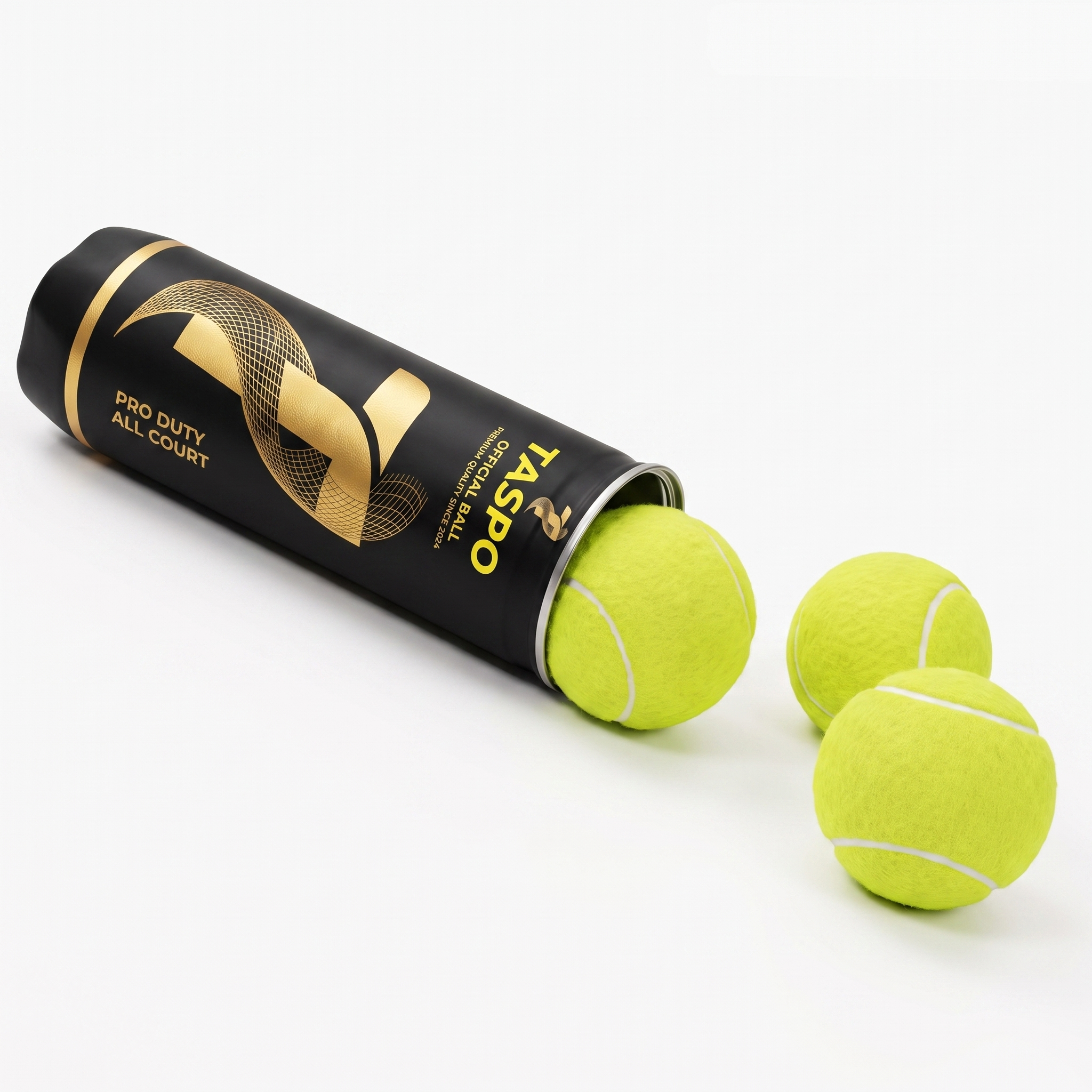
Beyond eliminating gas leaks, pressureless construction shines in two notoriously difficult operating environments: automated dual-wheel ball machines and high-altitude mountain courts. Modern portable and commercial ball machines launch topspin and underspin shots by pinching the sphere violently between two counter-rotating polyurethane throwing wheels spinning at thousands of revolutions per minute. That pinching friction crushes the internal gas seal of pressurized balls within three sessions while ripping loose synthetic fuzz into the machine’s internal sensors. Because a bulk pressureless tennis ball derives its rebound from solid rubber wall memory, it survives five thousand passes through high-speed throwing wheels without losing a millimeter of bounce height. In fact, as the outer needle-or-woven wool-nylon felt gradually wears thinner over months of hard-court abrasion, the sphere becomes slightly lighter and livelier—perfectly offsetting natural rubber aging. Furthermore, because the core contains no pressurized gas differential, a pressureless practice tennis ball plays identically at sea level in Miami and at sixteen hundred meters elevation in Denver or Johannesburg, where thin mountain air causes standard pressurized spheres to balloon out of control.
Examining annual equipment ledgers from multi-court coaching centers demonstrates how switching basket stock to engineered pressureless spheres slashes operating overhead. Consider a sixteen-court municipal tennis center and junior academy operating in Denver, Colorado, alongside a partner indoor training facility in Birmingham, United Kingdom. Previously, both centers replaced three thousand pressurized coaching balls every six weeks because dead bounces frustrated adult drill groups and clogged their twelve automated ball machines. Two years ago, the procurement director partnered directly with a specialized ball factory to transition eighty percent of their teaching carts to a custom pressureless tennis ball line featuring a micro-softened natural rubber core wrapped in high-visibility two-tone yellow-and-orange felt—which helped juniors visually track topspin rotation in mid-air. Packaged in reusable sixty-ball mesh coaching totes, a single batch lasted through seven full months of daily four-hour academy drills and ball-machine workouts before needing replacement. Annual consumable expenditure dropped by fifty-eight percent, ball-machine maintenance downtime fell by seventy percent, and retail pro shop sales of sixty-ball practice buckets to home ball-machine owners surged.
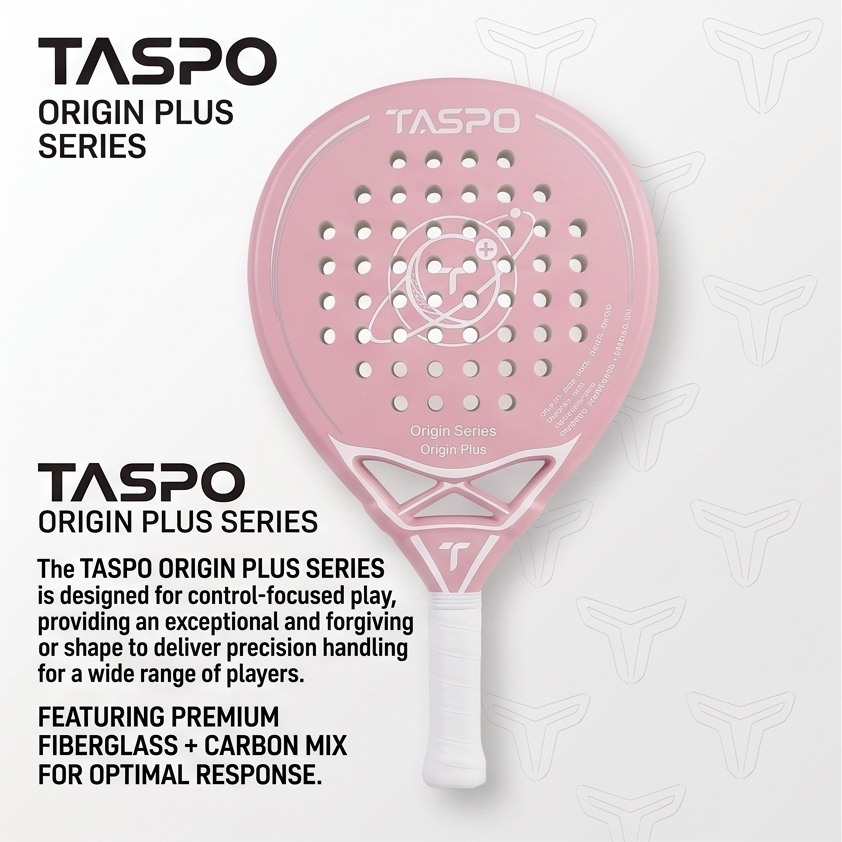
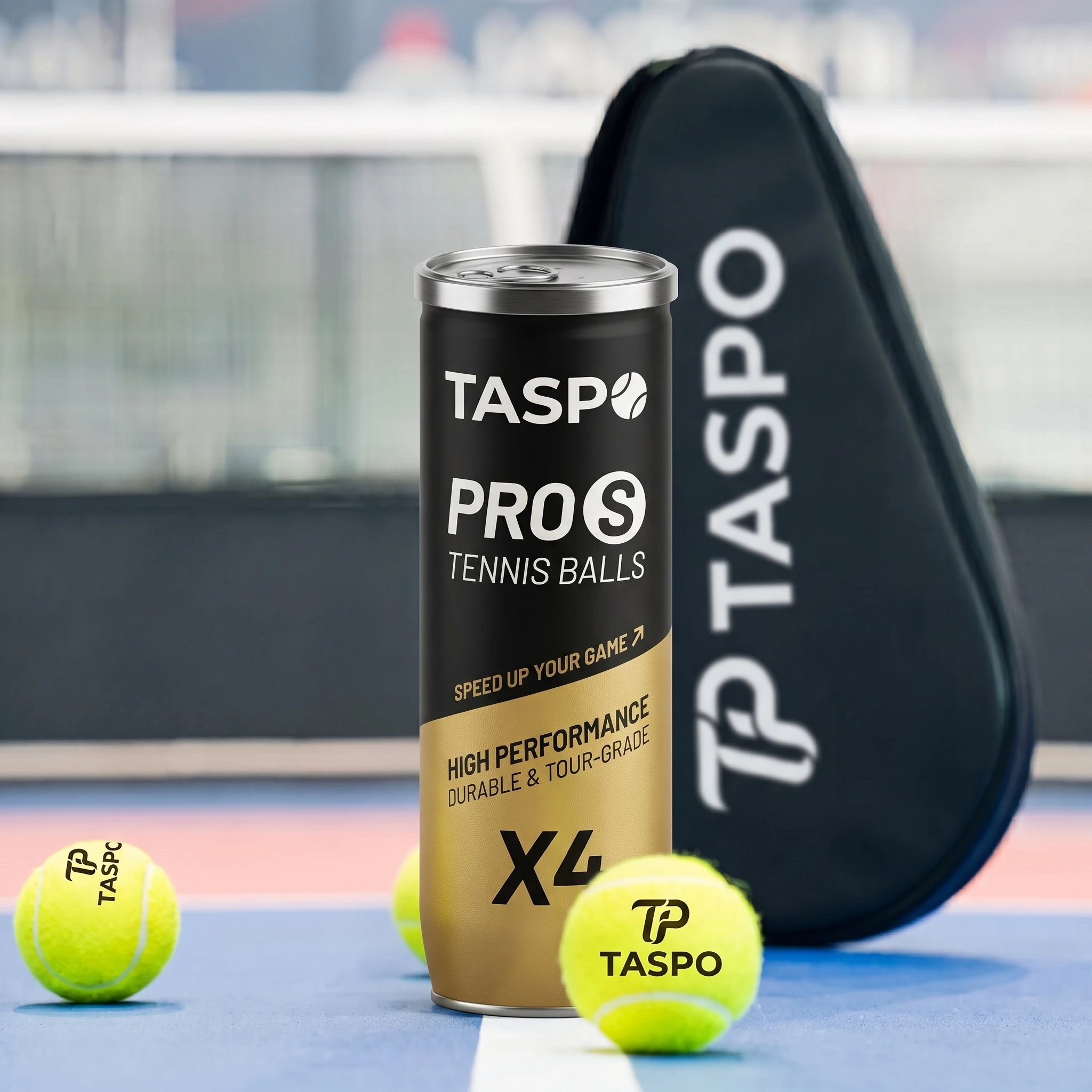
Turning practice consumables into a reliable, high-margin product line for academies, schools, and retail shoppers requires partnering directly with a manufacturer that masters natural rubber elastomer compounding. When wholesale tennis ball buyers source through unverified trading brokers, low-end workshops frequently dump reclaimed tire rubber and chalk fillers into the core molds—producing overweight, brick-hard spheres that trigger immediate tennis elbow complaints and crack open during winter play. Collaborating directly with a vertically integrated ball factory eliminates those quality hazards completely. This is where Taspo serves as the premier manufacturing partner for global tennis brands, coaching academies, and wholesale distributors. Operating modern ISO-certified rubber Banbury mixers, automated compression vulcanization presses, and digital Stevens deformation testing labs, Taspo engineers pressureless tennis balls that replicate the crisp, arm-friendly compression feel of tour pressurized spheres while delivering ten times the court longevity. Buyers can customize two-tone training felt colors, durable mesh bucket packaging, and custom logo stamping—and consolidate their bulk pressureless tennis ball orders with Taspo’s carbon fiber tennis rackets, overgrips, sweatbands, and coaching hoppers in one seamless container shipment.
 Hot News
2026-11-23
2026-11-23
2026-11-23
2026-11-23
2026-11-23
2026-11-23
 EN