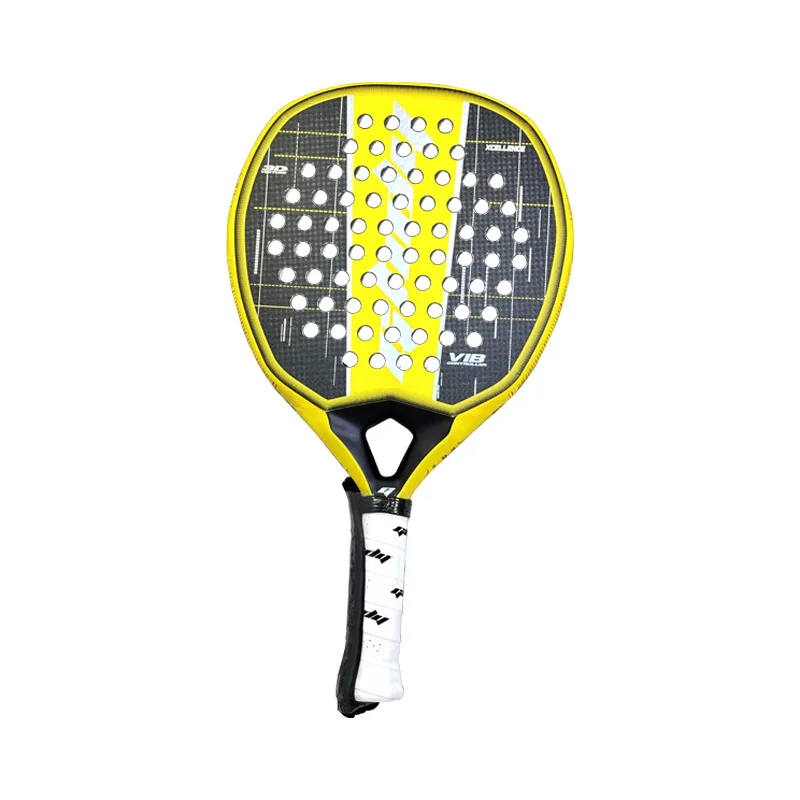
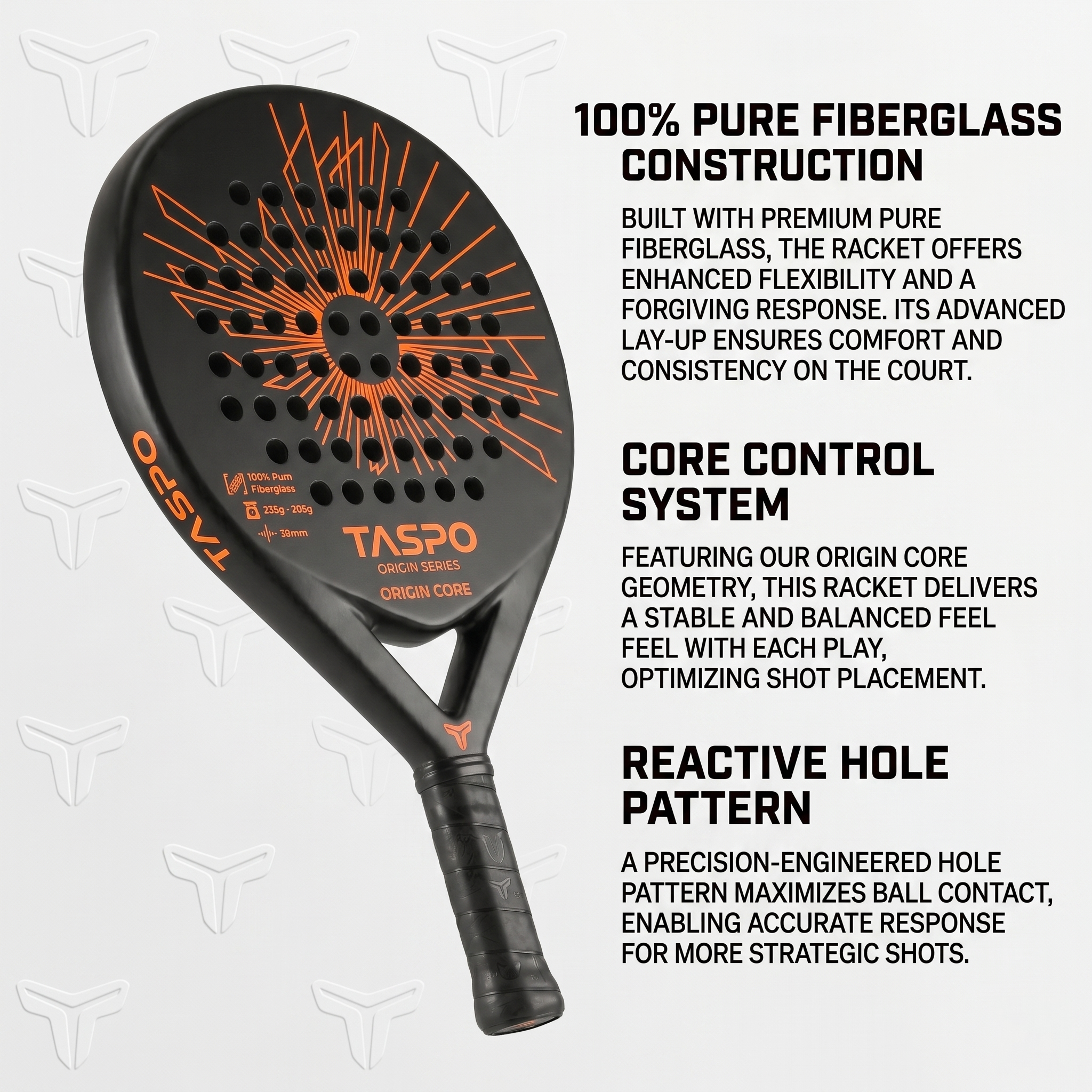
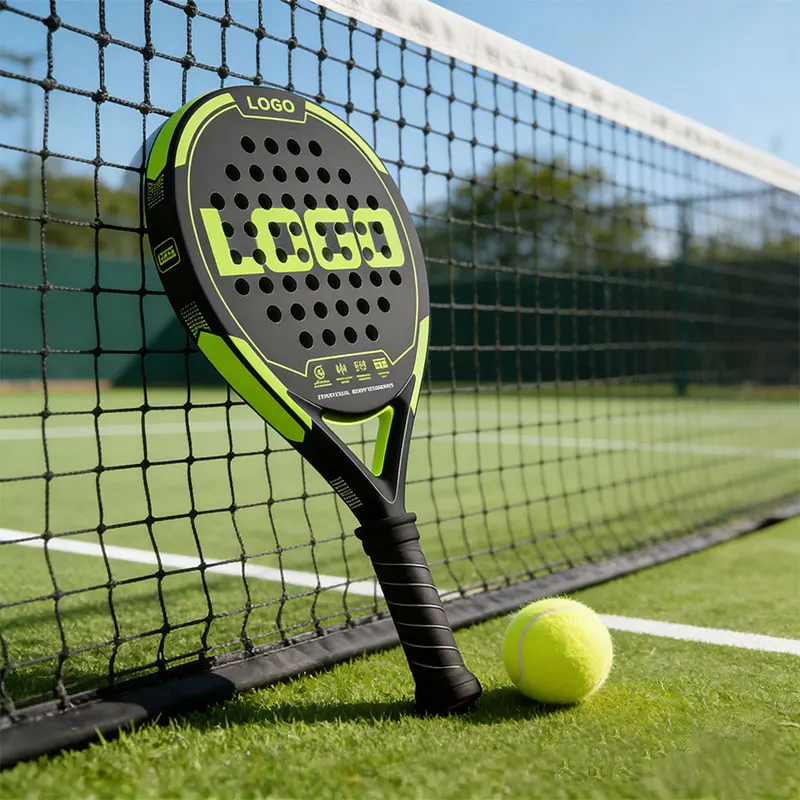
When equipment buyers and brand designers review a new padel prototype, ninety percent of the conversation usually centers on the striking face and the head shape. Yet during a two-hour three-set match, the athlete never touches the carbon face—their entire physical connection to the three-hundred-and-sixty-five-gram paddle happens across the twelve centimeters of the handle shaft. Because padel is played inside a fast-paced glass enclosure where players must execute violent overhead smashes, reflex volleys, and deep off-the-wall defensive blocks using short, compact wrist motions, the handle absorbs immense rotational torque. When a factory cuts corners by fitting a short, poorly beveled handle with zero internal vibration damping, the player’s palm slips on off-center impacts. To stop the paddle from twisting, the athlete subconsciously squeezes the grip twice as hard, locking up the wrist joint and sending jarring shockwaves straight into the lateral epicondyle. Sports medicine audits across European racket clubs indicate that thirty-eight percent of recreational padel injuries involve wrist tendonitis or tennis elbow. Understanding why ergonomic handles matter in custom padel racket design allows brands to solve injury pain points right at the point of contact.
Stripping the base replacement grip off a bargain paddle versus a tournament-grade frame immediately exposes the engineering gap in handle construction. Low-cost assembly workshops build handles by taking two hollow injection-molded plastic shells and stapling or gluing them around the bare twin carbon shaft tubes. Within a few weeks of heavy hitting, those internal staples loosen slightly against the carbon wall—creating an annoying hollow clicking sensation in the palm while acting like an acoustic megaphone that amplifies harsh ball-impact vibrations. In contrast, an ergonomic custom padel racket utilizes one-piece high-density Polyurethane foam molded directly around the twin carbon hairpin tubes inside a heated precision steel jig. As the liquid polyurethane expands and cures around the carbon shafts, it bonds into a solid, gap-free elastomeric cushion with razor-sharp octagonal bevel edges. Furthermore, advanced OEM engineers inject viscoelastic dampening plugs inside the hollow carbon shaft tubes before foaming the exterior pallet. Laboratory accelerometer testing confirms that one-piece polyurethane foam handles paired with internal shaft dampeners filter out thirty-six percent of harmful high-frequency vibrations above two hundred Hertz before they ever reach the player’s knuckles.
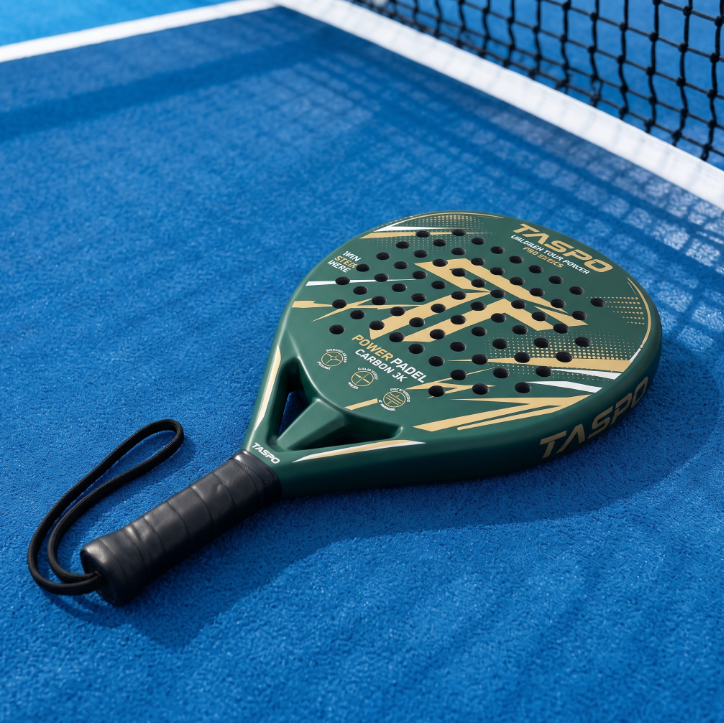
Ergonomic innovation in modern padel racket design goes far beyond internal foam chemistry; it also reshapes the external length, circumference, and safety hardware of the grip itself. Traditional Spanish padel frames featured stubby eleven-centimeter handles designed for one-handed Continental grips with the index finger resting high up on the throat bridge. However, as millions of former tennis players across North America, northern Europe, and Asia transition onto the padel court, they bring explosive two-handed backhand drives and desire longer lever arms for overhead kick smashes. Forward-thinking brands work with their custom padel racket manufacturer to engineer extended thirteen point five to fourteen-centimeter ergonomic handles that comfortably accommodate both hands without crowding the fingers. Surrounding that extended polyurethane core, brands can specify honeycomb-molded thermoplastic elastomer under-sleeves that increase grip circumference for larger hands while reducing palm blister friction. Down at the base, replacing cheap knotted nylon strings with a removable, washable neoprene-padded wrist safety cuff anchored to a one-hundred-and-fifty-kilogram-tested butt cap pin elevates both hygiene and tournament safety.
Examining retail sell-through data from commercial court operators proves that players immediately feel and pay for handle ergonomics during a demo session. Consider a twelve-court indoor padel club and regional distribution brand operating across Rotterdam, the Netherlands, and Munich, Germany—two markets where tall players with larger hands and strong tennis backgrounds dominate the membership base. Two years ago, their pro shop stocked standard imported frames featuring short eleven point five-centimeter handles and thin four-inch grips. New members constantly complained that their bottom hand hung awkwardly off the butt cap during two-handed backhands, and coaches spent hours wrapping three layers of heavy overgrips onto every new frame just to prevent wrist strain. Fifteen months ago, the brand partnered directly with a specialized factory to launch a custom padel racket series featuring a thirteen point five-centimeter one-piece polyurethane foam handle, a flared ergonomic butt cap that locks the pinky finger during smashes, and a shock-absorbing elastomer base grip. Demo-to-purchase conversion rates among former tennis players jumped by fifty-seven percent in two quarters, while member reports of forearm soreness dropped by forty-four percent.
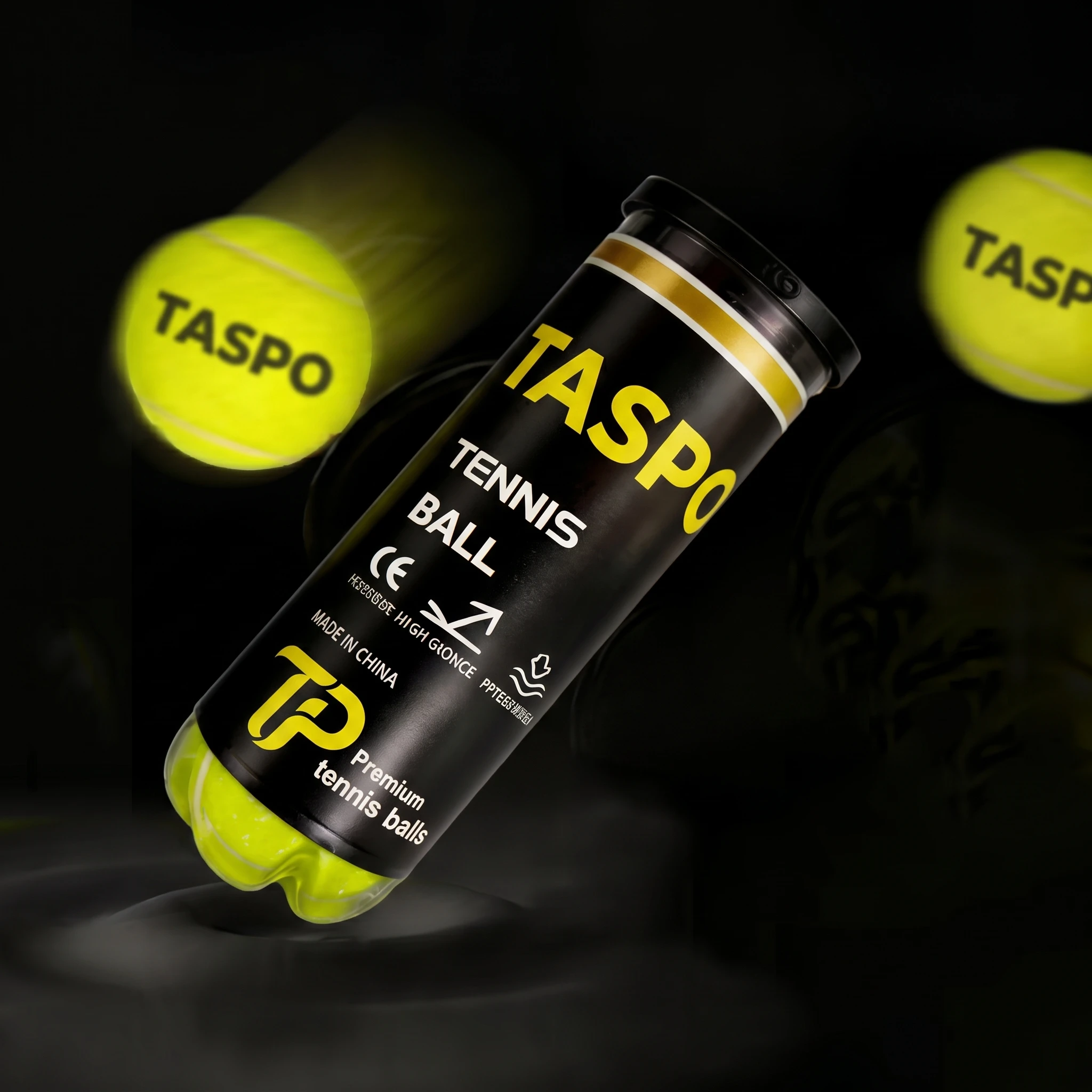
Turning ergonomic handle specifications into thousands of consistent, vibration-free rackets requires partnering directly with a composite manufacturer that builds its own precision handle-foaming jigs and tests structural ergonomics in-house. When wholesale padel racket buyers route orders through third-party trading brokers, workshops often use soft, low-density handle foam that crushes flat after a month of tight gripping, or misaligned butt caps that twist crookedly relative to the striking face. Collaborating directly with a vertically integrated factory eliminates those defects completely. This is where Taspo stands out as the premier ODM and OEM manufacturing partner for global padel brands, club networks, and sporting goods distributors. Operating modern ISO-certified composite molding lines, automated polyurethane handle-foaming stations, and six-axis vibration-analysis laboratories, Taspo engineers custom padel racket handles across standard, junior, and extended two-handed lengths with exact octagonal bevel symmetry. Partners can customize internal shaft dampening inserts, removable counterweight butt caps, REACH-compliant exchangeable safety cuffs, and contoured EVA keel base grips—and bundle their custom rackets with Taspo’s tournament padel balls, tacky overgrips, and thermal bags for a complete, player-first product line.
 Hot News
2026-11-20
2026-11-20
2026-11-20
2026-11-20
2026-11-20
2026-11-20
 EN