 EN



Why Personalized Custom Pickleball Paddle Styles Sell Well
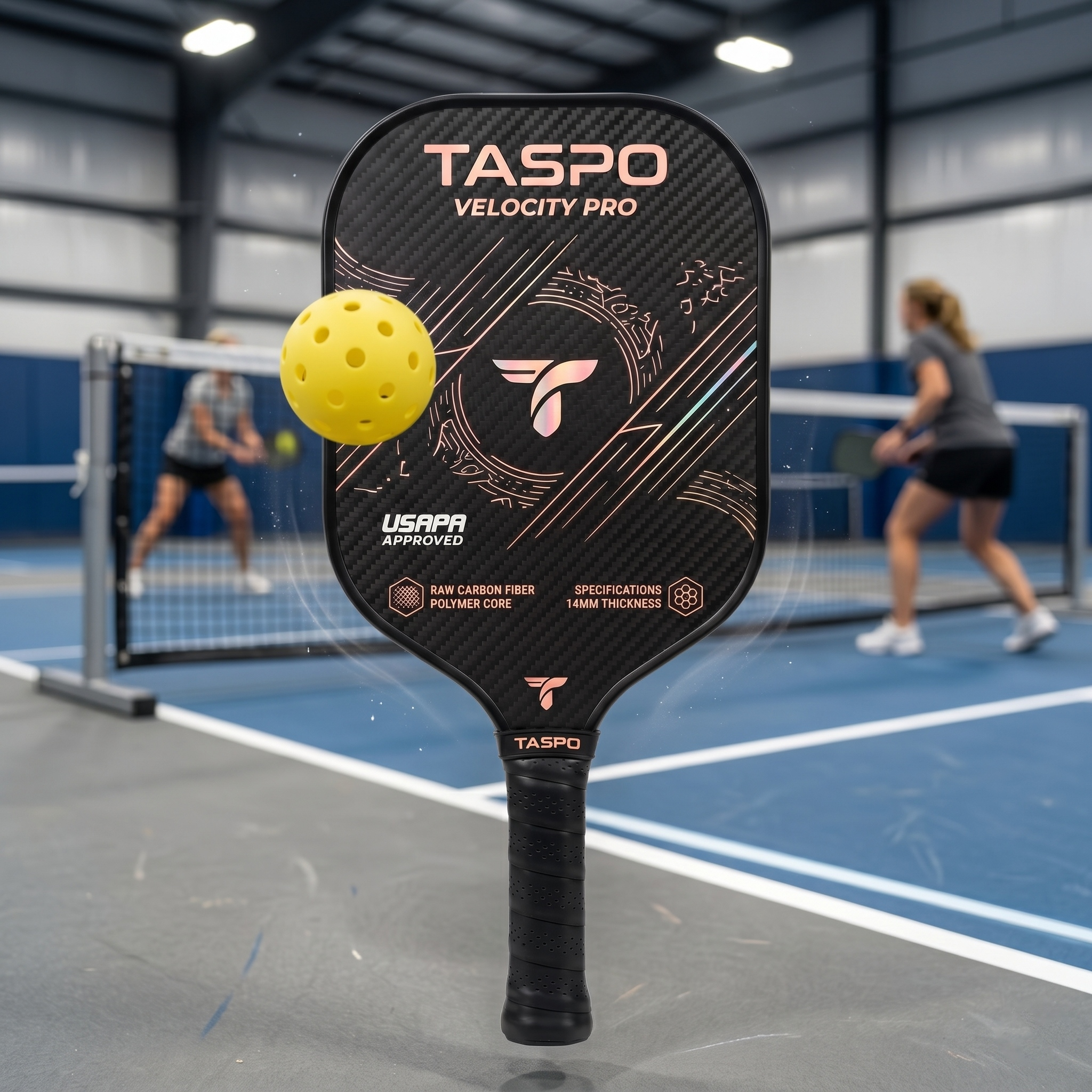
A paddle is both playing equipment and something a buyer carries onto the court. That combination gives a custom pickleball paddle two opportunities to connect: it can suit a player's needs and express an identity that a generic design may not. A club color, a subtle name or a distinctive graphic can make the choice feel more personal. None of those details, on its own, guarantees sales; the design still has to match the people who will use it.
For a brand planning a range, the useful question is not simply “Which image looks attractive?” It is “Who will choose this paddle, for what occasion, and what should make it recognizable?” Starting there turns personalization into a product decision rather than decoration added at the end.
A broader audience creates room for distinct styles
The Sports & Fitness Industry Association reported that 24.3 million Americans played pickleball in 2025. That figure describes participation in the United States, not sales of personalized equipment. It does, however, provide context for why brands may encounter different kinds of buyers: casual players, frequent participants, clubs and people buying gifts are not necessarily looking for the same thing.
A custom pickleball paddle aimed at a community event might use a readable club mark and a shared palette. A retail range could instead give each design a clear visual identity while keeping a consistent brand signature. For a gift, a name or meaningful illustration can make the object feel specific to its recipient. These are possible buying motivations, not evidence that any one style will sell at a particular rate.
Identity can make the purchase easier to explain
Shoppers comparing unfamiliar paddles have a lot to interpret: face material, weight, shape, grip and price. A consistent visual theme gives them another way to recognize the item and understand the intended audience. When a custom pickleball paddle looks like part of a club collection or a deliberate retail series, a seller has a straightforward story to tell without claiming that graphics improve play.
Personalization can also add relevance to a particular occasion. Team colors can connect a paddle to a group; individual names can help distinguish equipment at a shared court. A restrained design may appeal to someone who prefers a clean look, while a vivid print may suit an event or gift. The point is fit, not a universal preference for brighter artwork.
For wholesale buyers, artwork may help separate a product line from neighboring offers. That value depends on more than a logo: legibility, consistent colors and the way the design appears in product photography all matter. A custom pickleball paddle can attract attention in a listing, but a clear description and a credible specification sheet give that attention somewhere useful to go.
Personal appearance and playing feel are separate choices
The graphic often comes first. A more useful starting point is to define the intended player and use first, then discuss the visual treatment and the underlying construction as separate decisions. A personalized carbon pickleball paddle, for example, combines an aesthetic request with a material description. Carbon on the face does not by itself establish how a paddle will feel, how durable it will be or whether it is suitable for a particular player.
Ask the supplier to identify the face, core, shape, grip dimensions and weight range for the proposed configuration. Compare those details with the intended use, and ask for a sample when available. A custom pickleball paddle for introductory club sessions may call for a different decision process from a model intended for an experienced player. Testers should describe what they notice rather than treating a material name as a promise.
Where artwork meets the surface
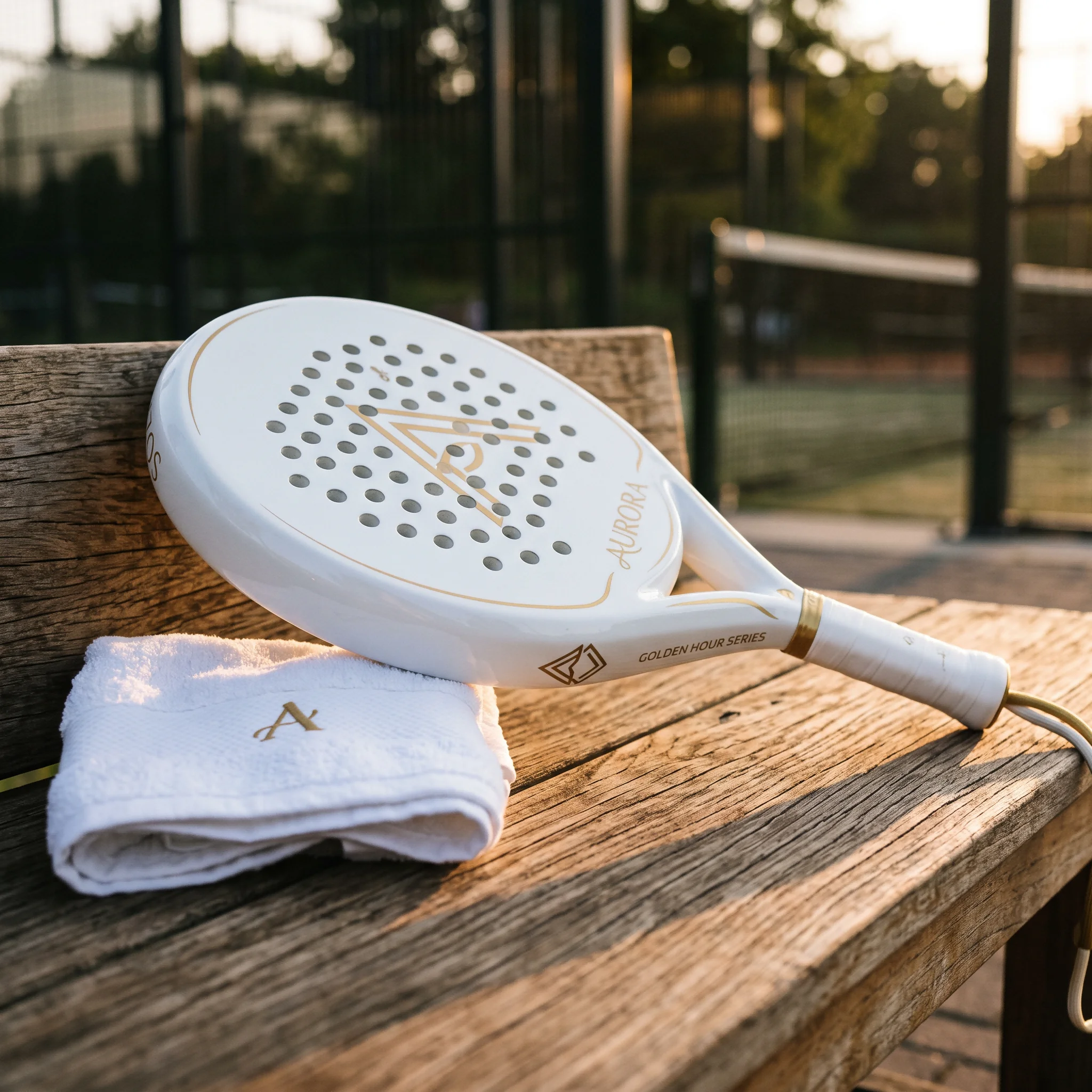
Artwork placement deserves its own review. Send an editable logo or high-resolution file, agree on the print area and check whether important text remains visible near the edge. Request a visual proof, then inspect a physical sample under normal lighting. Screen colors and the finished surface can look different, so confirm acceptable variation before signing off.
Also ask how the design is applied and whether the finish changes the specified playing surface. If competition use matters, check the rules for the relevant event and the current USA Pickleball approved paddle list by brand and model. Verify the exact customized version with the supplier and governing body as appropriate; a supplier's general approval claim should not be assumed to cover every alteration or model.
Why branded orders need a different brief
An OEM custom logo pickleball paddle project is usually a coordination exercise as well as a design project. The brand team may care about appearance, the buyer about cost and delivery, and the end user about grip and feel. Keeping those priorities in one written brief reduces ambiguity when evaluating options.
For a hypothetical club shop, a useful brief might describe the player group, intended quantity, preferred artwork, target delivery window and whether the paddles are for casual play or competition. It should also distinguish requirements from preferences: a readable club mark may be essential, while a special packaging treatment may be optional. This is an example of a planning method, not a reported customer project.
Before committing to a custom pickleball paddle order, request answers to these questions:
- Which base configuration, face material, grip and weight range are being quoted?
- What artwork files, color references and proof approvals are needed?
- Can a sample be reviewed, and what changes would require a new sample?
- What are the actual minimum quantity, packaging choices, lead time and shipping terms for this order?
- Who owns the supplied artwork, and what permission is needed to use names, logos or images?
- What checks apply to the exact model and artwork if it is intended for organized competition?
Do not assume that every supplier offers every option or that a sample automatically represents all future units. Put the agreed specification, tolerances, artwork version and inspection approach in writing. That makes it easier to discuss discrepancies before a shipment leaves the factory.
Turn interest into a testable range
For a first collection, consider a small number of clearly different visual directions rather than a large set of similar designs. Show each concept to the intended buyers and ask what they recognize, who they think it is for and whether they would consider the proposed price. Compare responses with the cost and practical constraints of each design; interest in a picture is not the same as a completed purchase.
After a sample review, keep feedback tied to the version tested. Note color, readability, grip comfort and any questions about construction. If the artwork changes, review it again against the approved brief. Keeping that record helps a custom pickleball paddle project move from a personal idea to a repeatable product decision without inventing a demand forecast.
Taspo Sports describes pickleball equipment and custom production among its business areas. To start a discussion, prepare the intended audience, quantity, reference artwork and the questions above, then visit Taspo Sports. Confirm current options and terms directly before placing an order.
 Hot News



